

We started the morning at Lõunaranna harbor on Muhu Island, leaving us with a straightforward 7.5-kilometer ride to catch the 10:00 AM ferry back to the Estonian mainland. Right after the ferry crossing, I told Rike that I was seriously debating whether to continue the full tour or not. My foot was already an issue, and I was weighing alternative options, like cutting the riding short in Riga and taking a bus from there to my final destination in Liepāja. For the moment, we just kept moving, tracing the coastline closely along the combined EuroVelo 10 and 13 cycling routes.
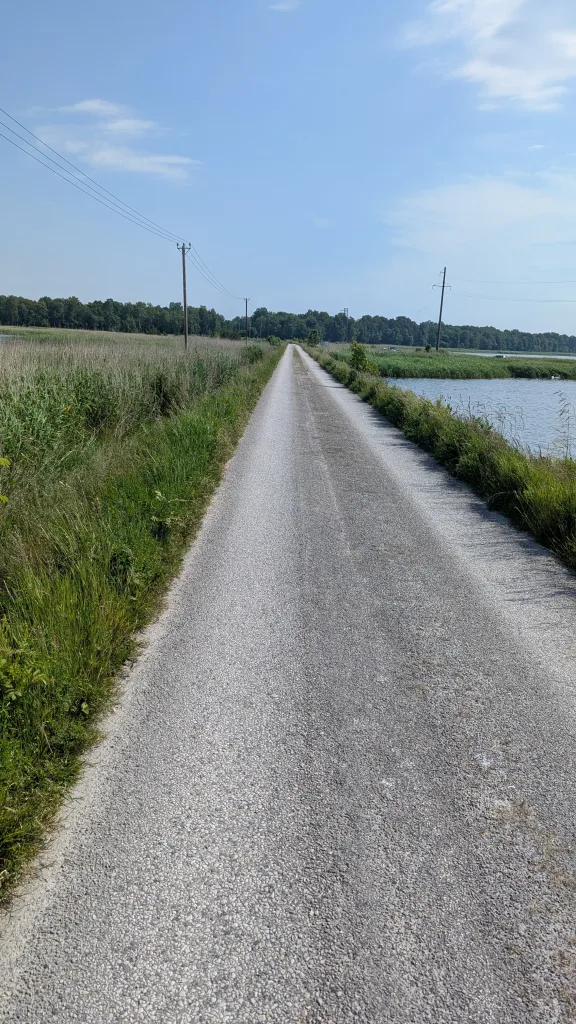
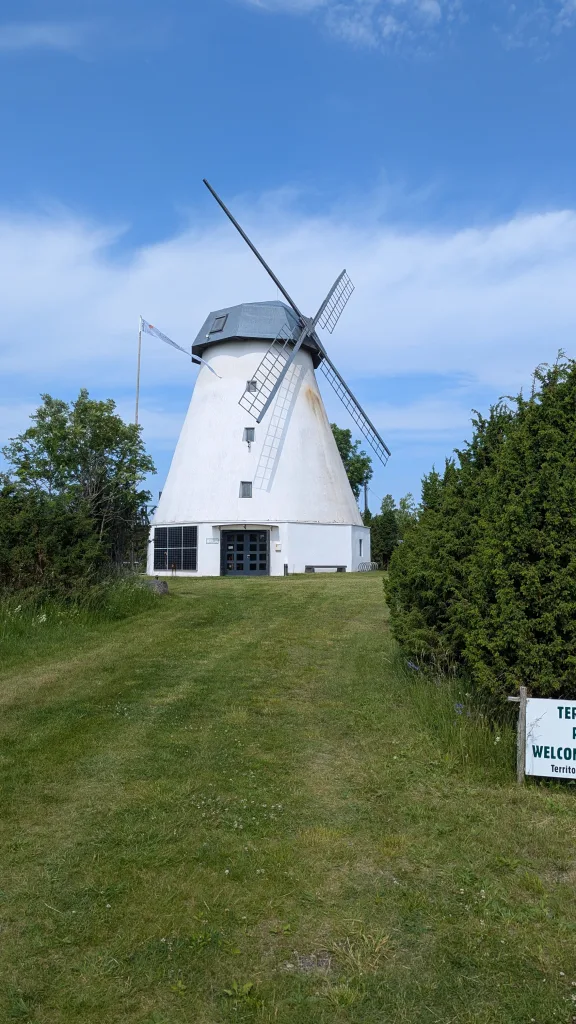
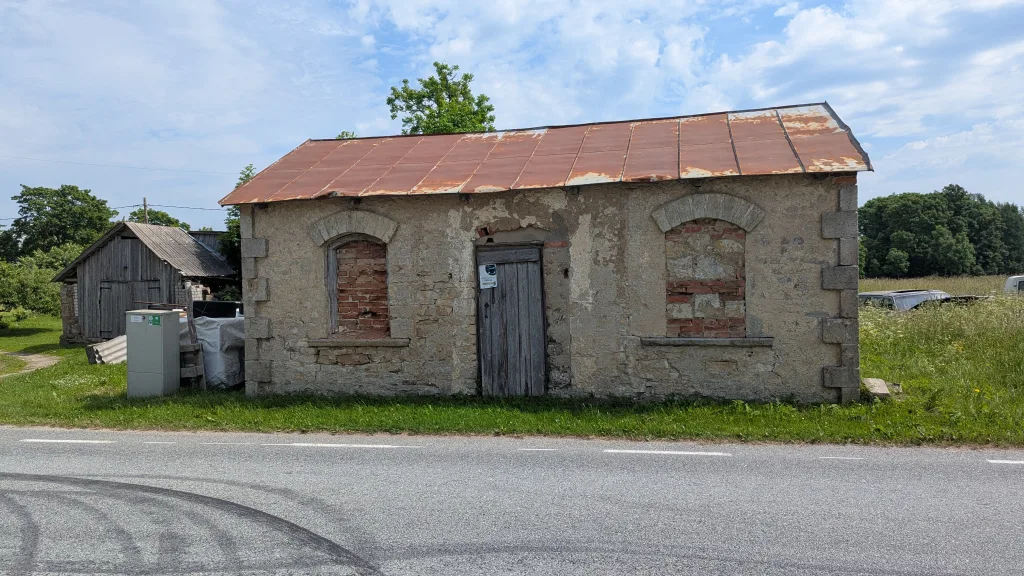
Near an area marked on the map as Tamba, the route tracked right along the edge of the sea. We decided to scout around for paths that could lead us right down to the water and eventually found a track that showed up as just a nameless dotted line on my Garmin map. It looked rough—the kind of trail where you would typically expect to see a tractor or a 4×4 ATV rather than touring bikes. It was quite bumpy and had a few muddy sections that required some careful line choice to avoid slipping, but our gravel setups handled the terrain without any issues. At the end of the path, we found a small clearing that we used as a lunch spot. Thicker fields of coastal reeds blocked us from getting directly to the water’s edge, but it was still a great, quiet view.
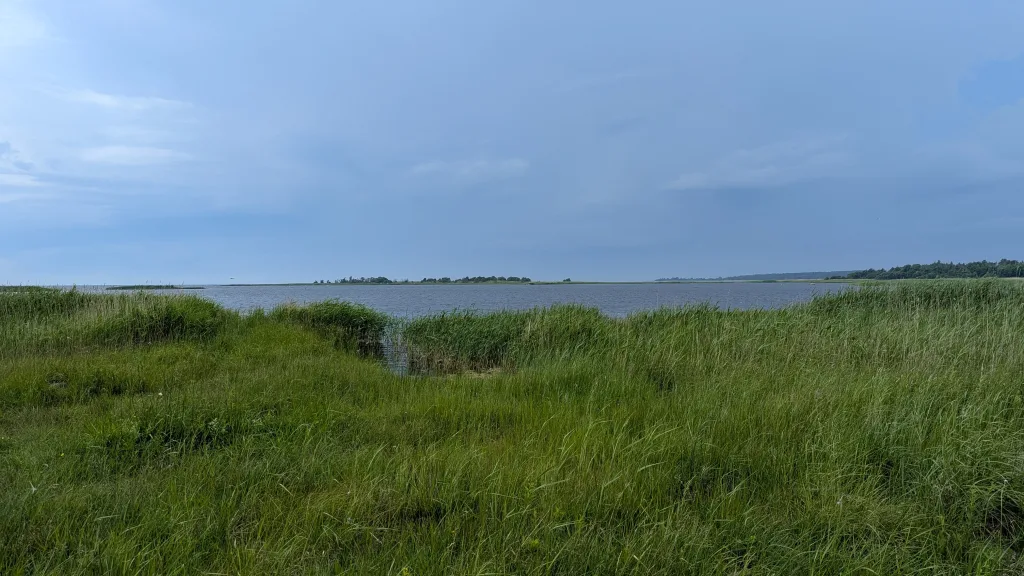
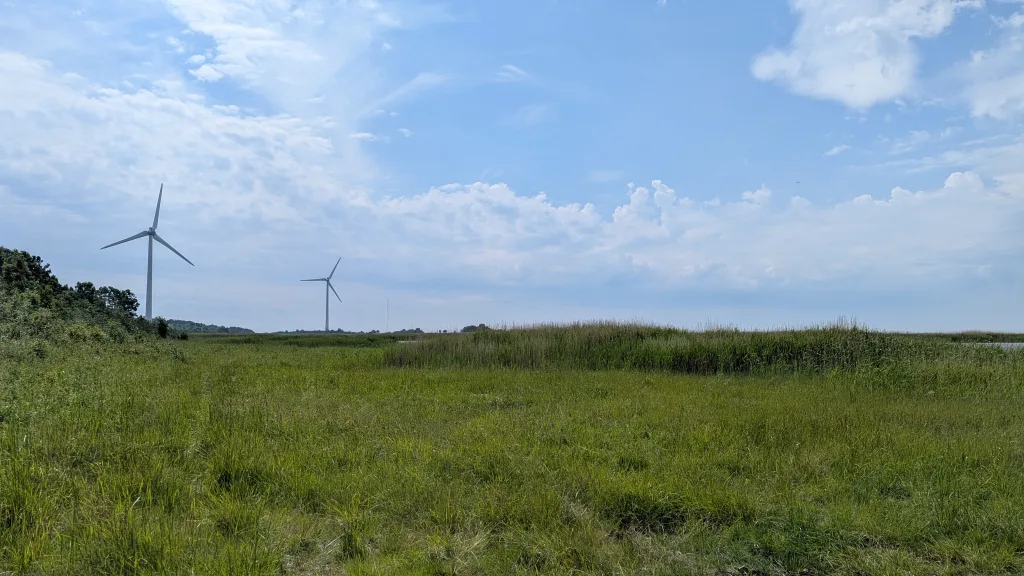
While eating our lunch, we noticed a massive bank of storm clouds closing in. The radar predictions indicated the storm was tracking straight toward us and would stay over our route for the next several hours. To maximize our dry riding time, we packed up quickly and got back on the asphalt. We made it as far as Varbla before the first drops hit, allowing us to duck into a concrete bus stop shelter to pull on our rain gear.
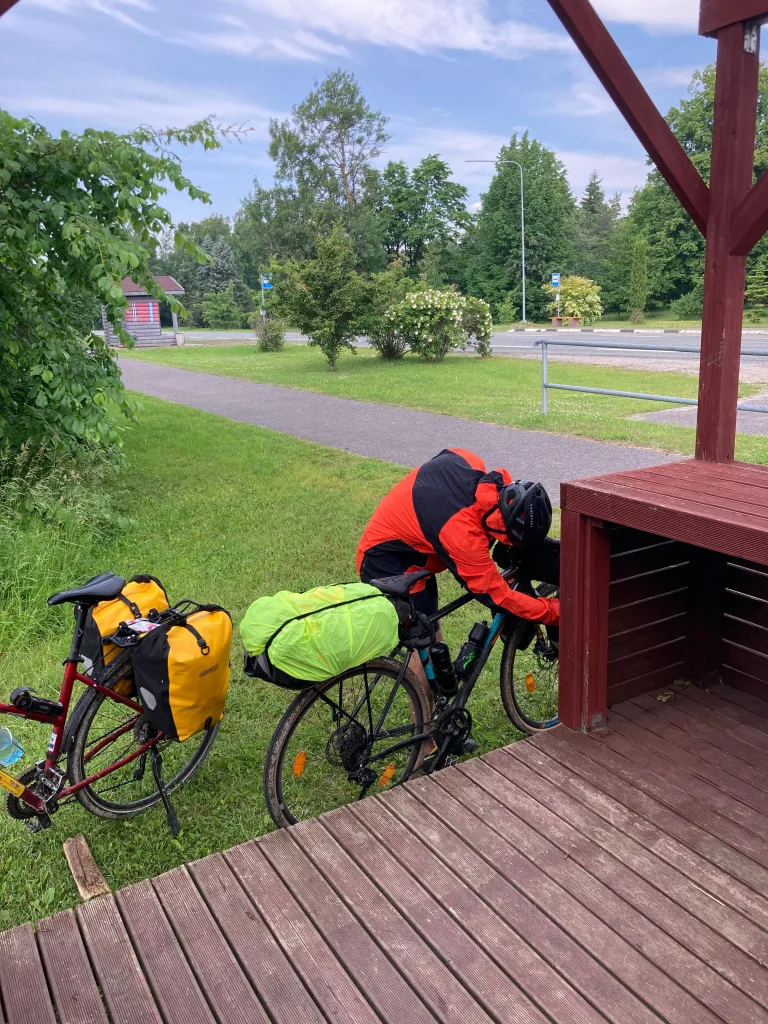
We set off into the downpour, expecting a long, wet afternoon. Fortunately, the weather system shifted unexpectedly, and the rain stopped entirely after barely 30 minutes. As the sun came back out, the wet roads began evaporating, making the air incredibly humid.
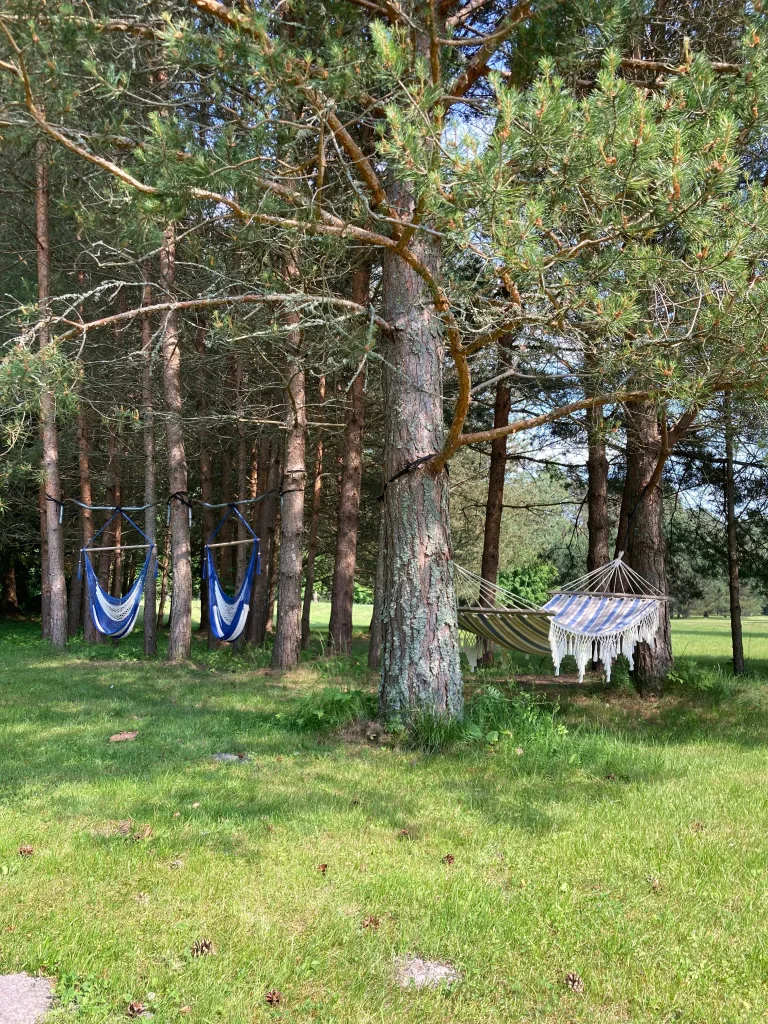
We shed our rain gear and kept spinning until we hit the outskirts of Tõstamaa, where we spotted a café called Anu pagar. We pulled over for a coffee break, and I picked up a cinnamon roll. The café had a nice garden out back with hammocks hanging in the shade, so Rike asked if we could use them. It was perfectly relaxing for about five minutes—until the local mosquito population picked up my scent. Within ten minutes, I was hit by at least eight mosquitoes that managed to bite straight through my shirt and socks. Oddly enough, not a single one went near Rike. Unable to enjoy my coffee, I abandoned the hammock and retreated to a screened tent structure in the garden. Rike followed shortly after when the bugs finally turned their attention to her once I was gone.
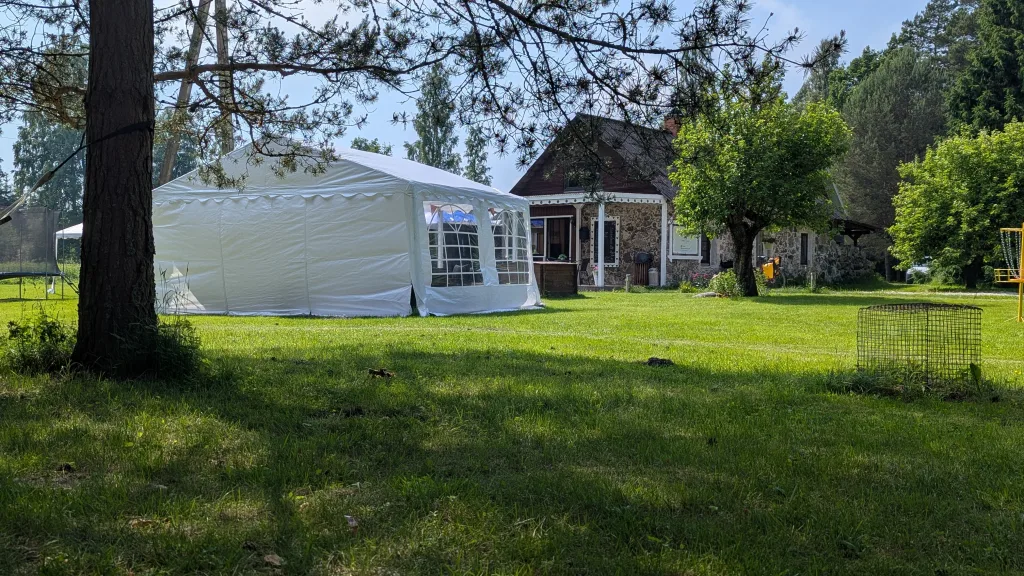
Sitting inside that tent, it was time to make the definitive call. I had been watching the data from my dual-sided power meter pedals on the Garmin all day, and the numbers didn’t lie: my left-to-right power balance was sitting at a drastic 60% left and 40% right. Subconsciously, my body was heavily favoring the uninjured leg to protect my swollen foot.
I showed Rike the numbers and explained that I was officially cutting my losses and ending the tour the next day in Pärnu alongside her. Pushing through for another five days would have just risked long-term joint or tendon damage. Internally, it was a frustrating and disappointing pill to swallow—no one likes failing a goal they’ve planned for. But sacrificing my health just to achieve it would have been dumb.
With the decision made, we left Tõstamaa and headed north inland toward Lake Tõhela, eventually rolling into the Tõhela Järve Puhkeküla campsite.
When we checked in, the campsite owner informed us that they do have a shower on site, but casually added that “there is a lake.” With the lake being right in front of us, going for a swim right after we arrived became an easy choice.
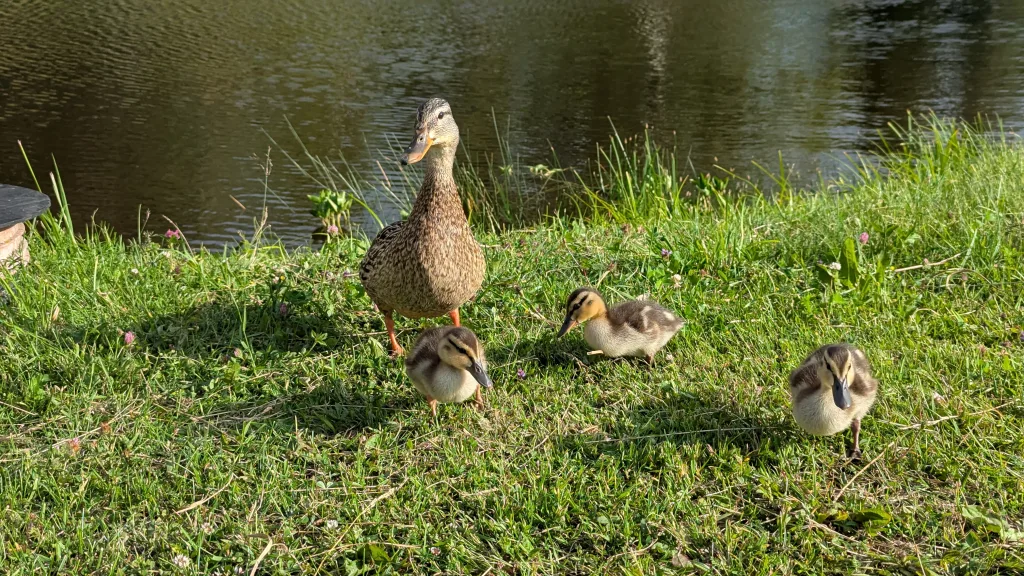
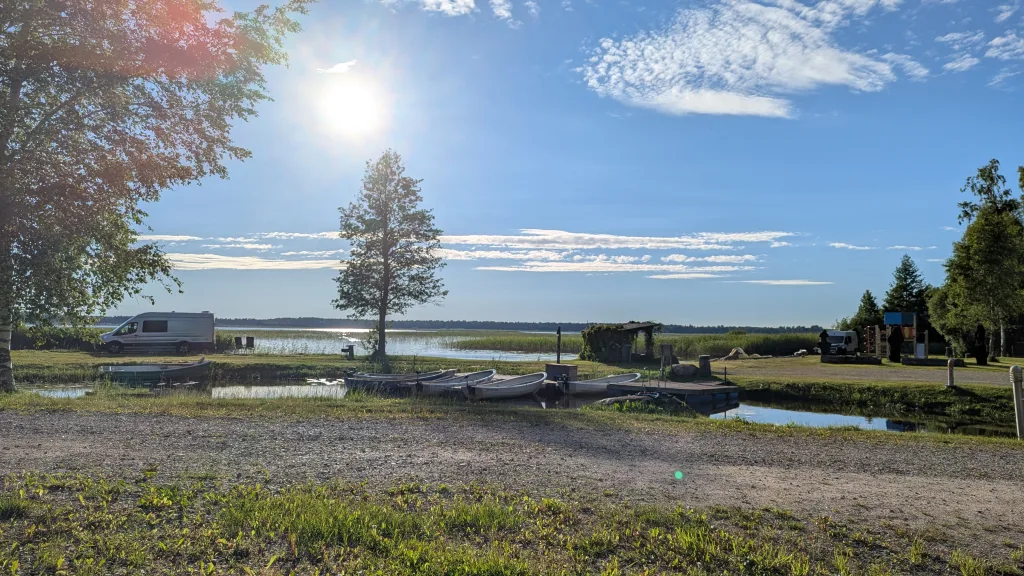
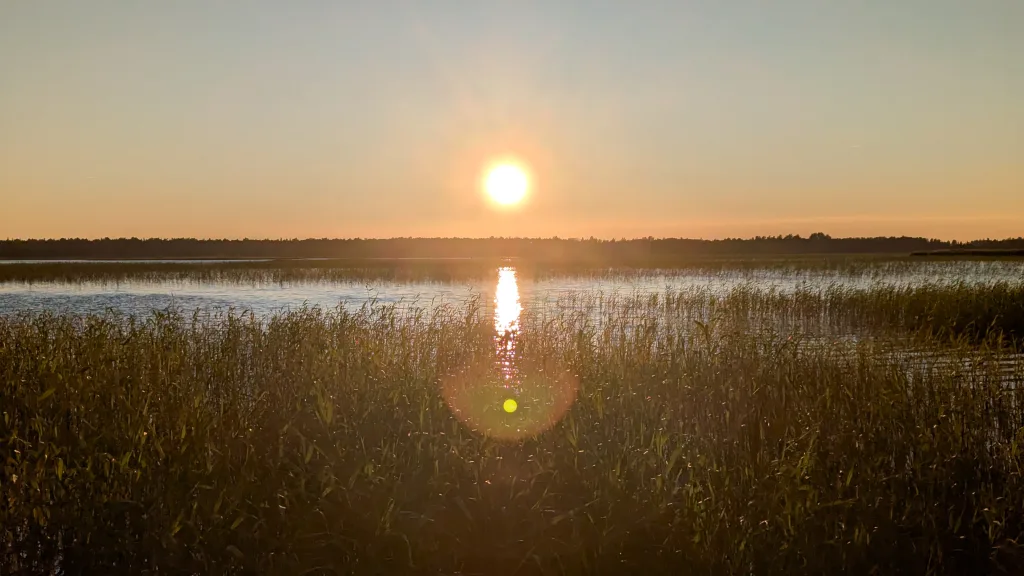
The shore was completely choked with thick reeds, so I swam out quite far just to get clear of the vegetation and see the open water. Interestingly, even out past the reed line, I realized I could still stand completely upright. The lake is so shallow that “standing” just meant planting your feet firmly on the thick fields of underwater lake plants growing along the bottom.
Despite still feeling down about cutting the tour short, the swim and the quiet campsite helped clear my head.