

Day 5 started perfectly with an amazing breakfast buffet. It featured a great spread of local Estonian delicacies, including kiluvõileib (traditional open-faced sprats sandwiches on dark rye bread with boiled egg), fresh vegetables, local cheeses, and cold meats.
Once we filled up, we set off toward our first destination: Kuressaare. By the time we entered the city, we were close to the harbor and decided to pull over for a quick snack break at a restaurant called Resto HAFEN. We arrived about 30 minutes before their official noon opening, but since there were already people around, I asked the staff if I could grab a coffee to top up my caffeine levels.
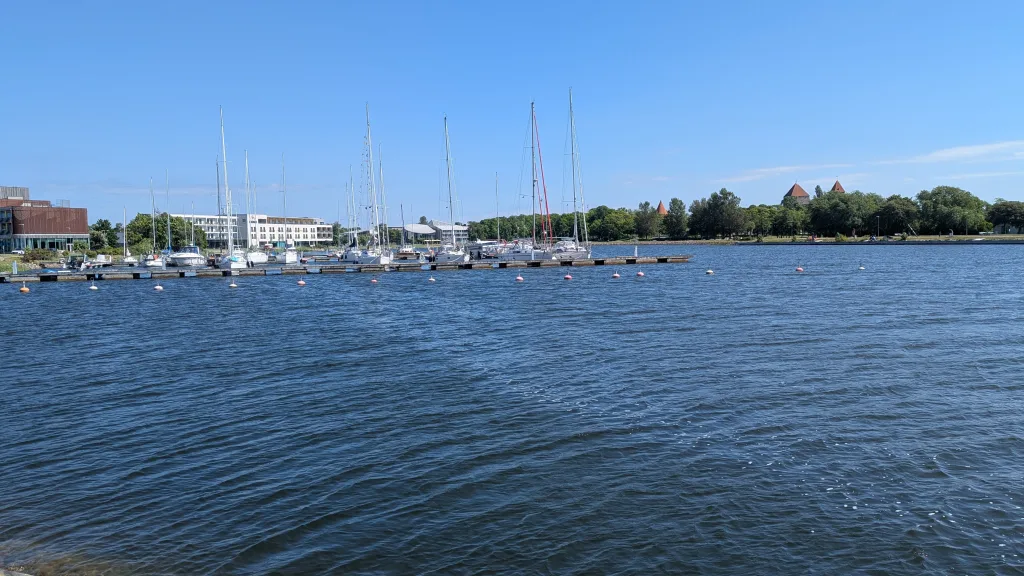
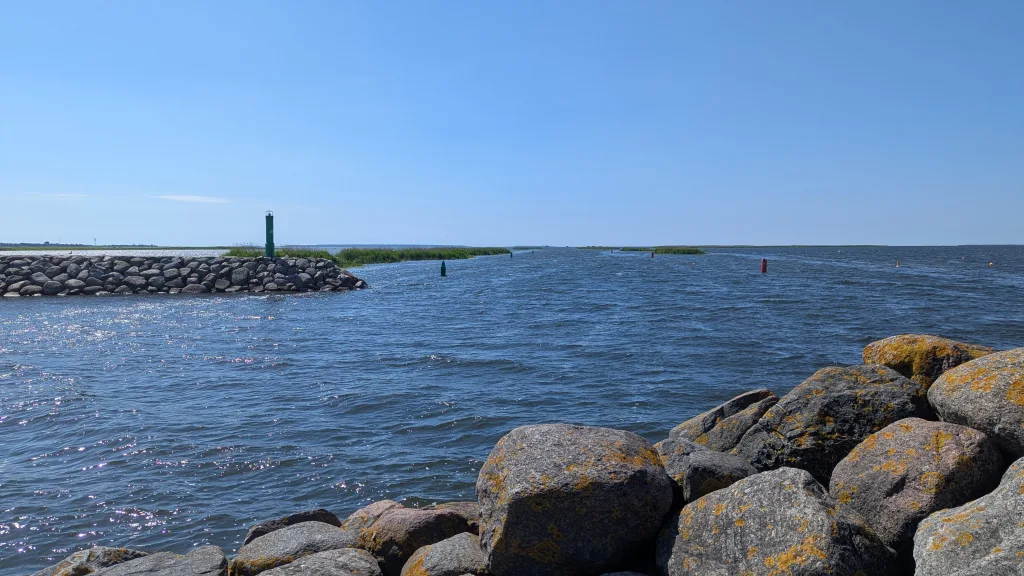
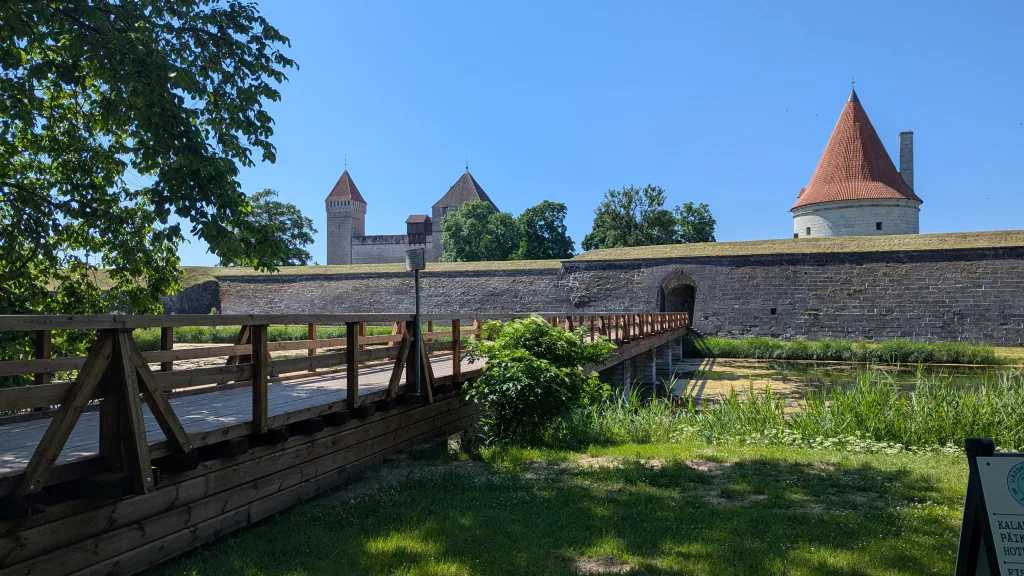
From the harbor, we rode through the quiet park surrounding Kuressaare Castle.
Kuressaare Episcopal Castle is one of the best-preserved medieval fortifications in the Baltic region, built entirely out of local dolomite stone by the Teutonic Order starting in the late 14th century. Its late-Gothic architecture and sprawling moat system are incredibly impressive up close.
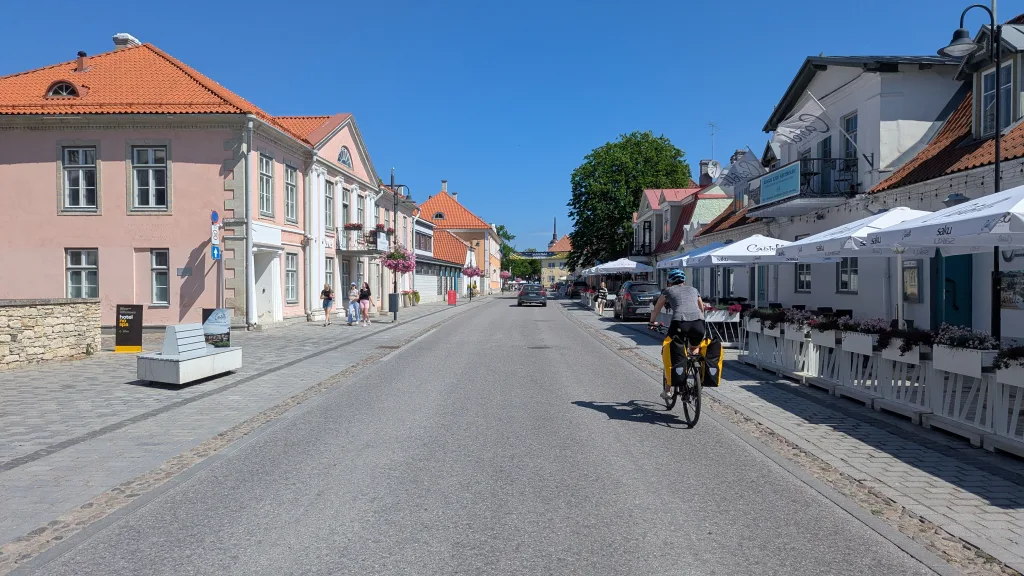
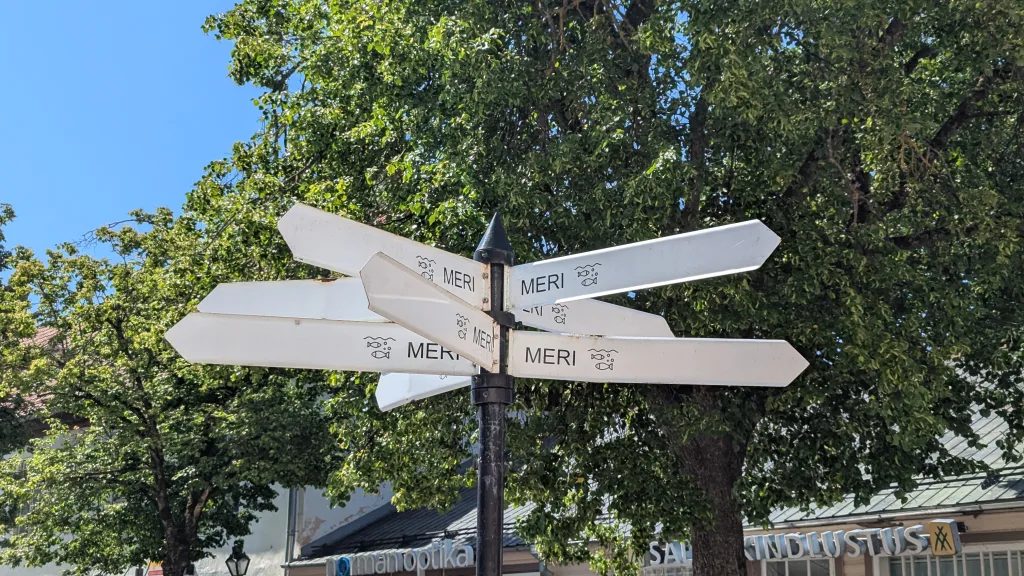
We continued from the castle grounds straight into the city center. It turned out we had timed our visit perfectly with a local market day, complete by live outdoor performances. We stopped for a while to watch a young boy singing on stage and a group of traditional dancers performing.
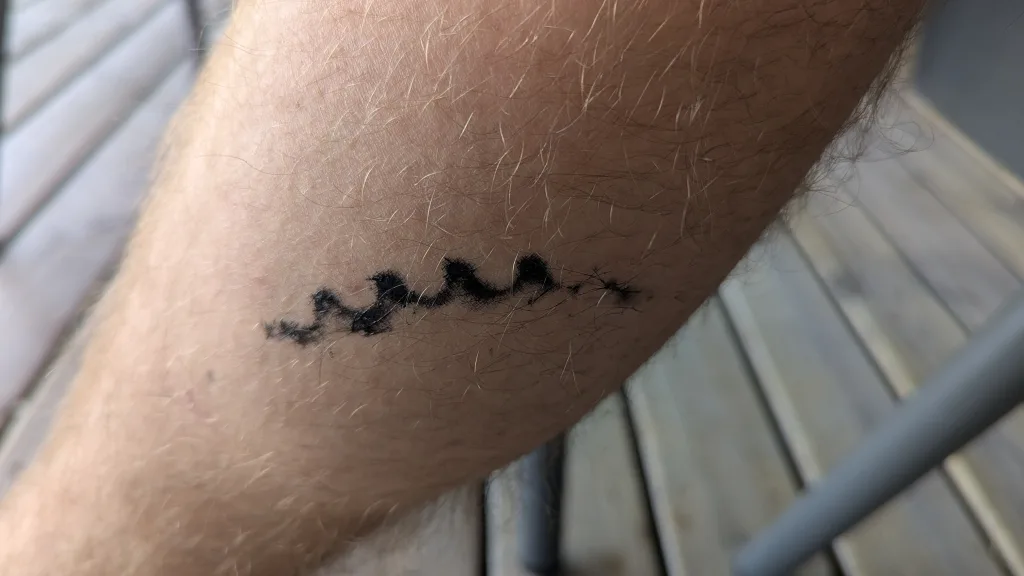
It was around this time that I noticed a side-effect of my improvised bike maintenance from the previous evening. While my oil-flushing trick had successfully cleaned out the inner rollers of the chain, the outside of the big chain ring was still covered in a thick, black oily residue. Sure enough, I accidentally brushed my calf against the drivetrain and walked away with a distinct grease “tattoo” on my leg.
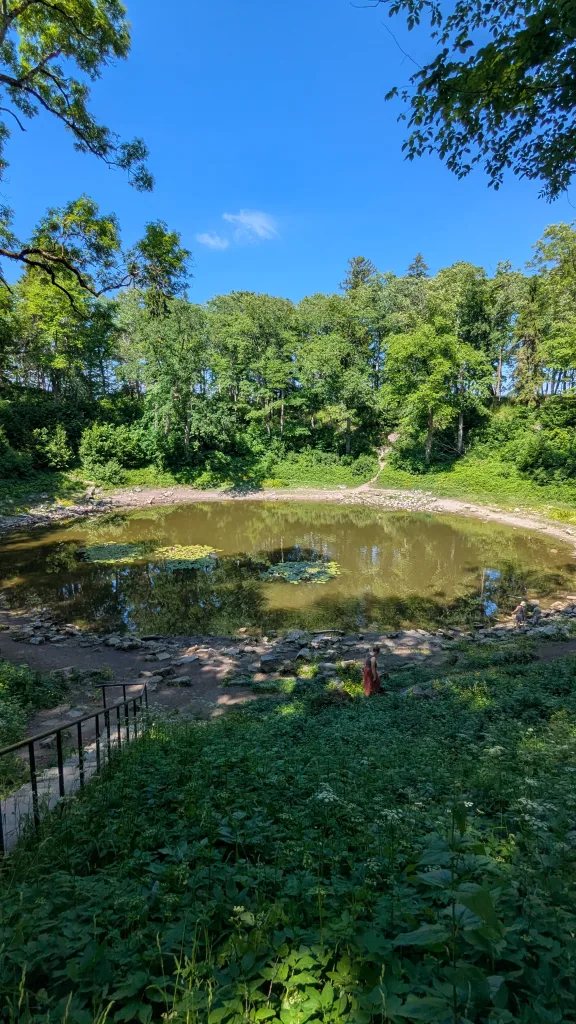
Leaving Kuressaare behind, we made our way toward the famous Kaali Crater.
The Kaali main crater is a remarkable geological site formed by a meteorite impact roughly 3,000 to 4,000 years ago. It’s the most impressive of a cluster of nine craters in the area, measuring about 110 meters across, and was historically treated as a sacred lake.
Right as we arrived at the crater, we ran into the same elderly cycling couple we had met on Day 1 and Day 2. It was a massive surprise given how tiny the window of time is to cross paths at a specific landmark, so we stood around and had a great chat. Afterward, we walked down to see the crater lake itself and unpacked our lunch to enjoy the unique scenery. Unfortunately, a tour bus arrived shortly after. The group was so loud and obnoxious while taking photos that it completely killed the peaceful vibe of the place, so we packed up our things and left.
At this point, the physical toll of the trip was catching up to us. With Rike’s knee injury and my worsening metatarsal foot pain, we wanted to cut down the remaining part of the day’s planned 110-kilometer route. We looked into options, but long-distance coaches like Lux Express only accept bicycles if you board at major bus stations, not intermediate rural stops, so they were out. Rike discovered a local regional bus route that followed our direction, but it was a total gamble whether the driver would have space for a single bicycle, let alone two loaded rigs.
The bus wasn’t due in Kaali for another hour and a half, so we decided to keep pedaling to cover some distance just in case the plan failed. We covered about 20-30 kilometers before pulling over at a small rural bus shelter with 10 minutes to spare before the arrival time.
When the bus pulled up, Rike went to the door to explain to the driver that we wanted to board with our bikes. The driver was clearly stressed, responding that we needed to hurry because his schedule had incredibly tight time margins. In the frantic rush to unclip our heavy gear and lift the bikes, the logistics fell apart. Realizing we wouldn’t make it on without delaying the bus, we had to abort the attempt and watch it drive off. To top it off, during the frantic scramble, Rike also managed to brush against my bike, getting her own matching grease tattoo from the chain.
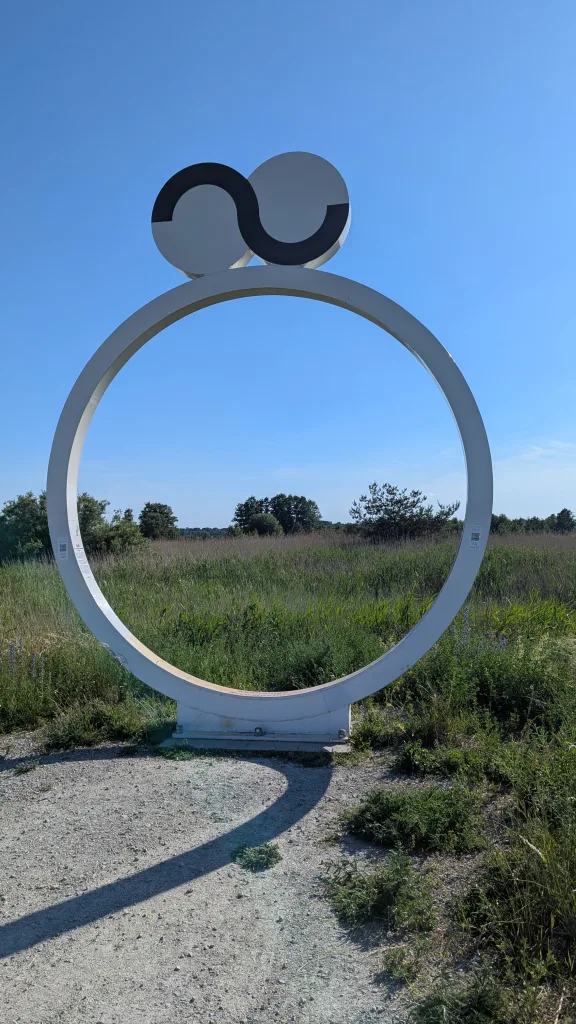
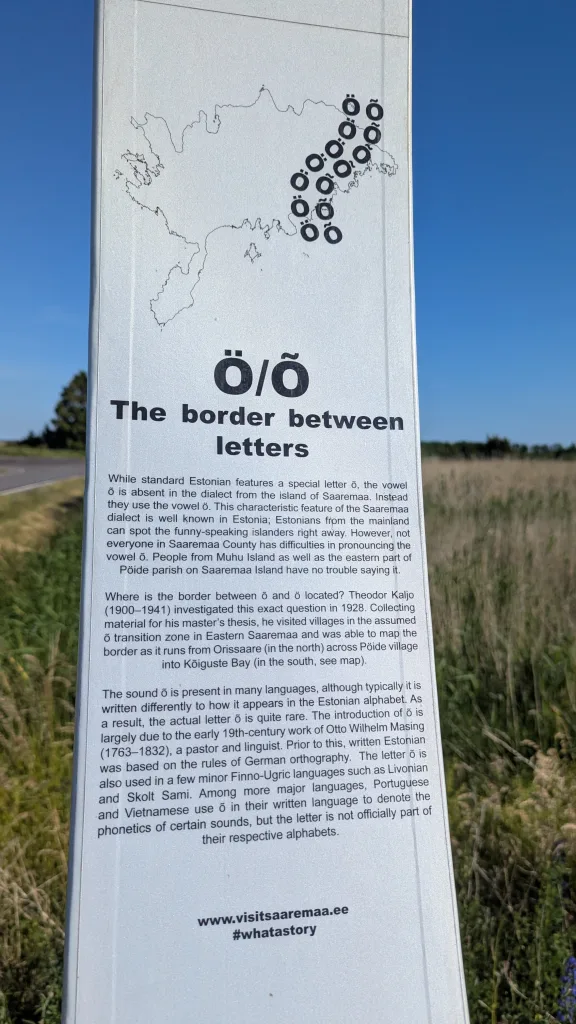
With no other options, we forced ourselves back into the saddle. We had already knocked out a chunk of the distance, so we just focused on keeping the pedals turning. After what felt like an eternity on the road, we finally reached the famous Ö/Õ dialect border sign.
This landmark marks a unique linguistic boundary on the island. People from eastern Saaremaa and Muhu island use the distinct Estonian vowel “Õ”, while western islanders historically replace it entirely with the softer “Ö”. The monument is a fun local milestone for travelers crossing the island.
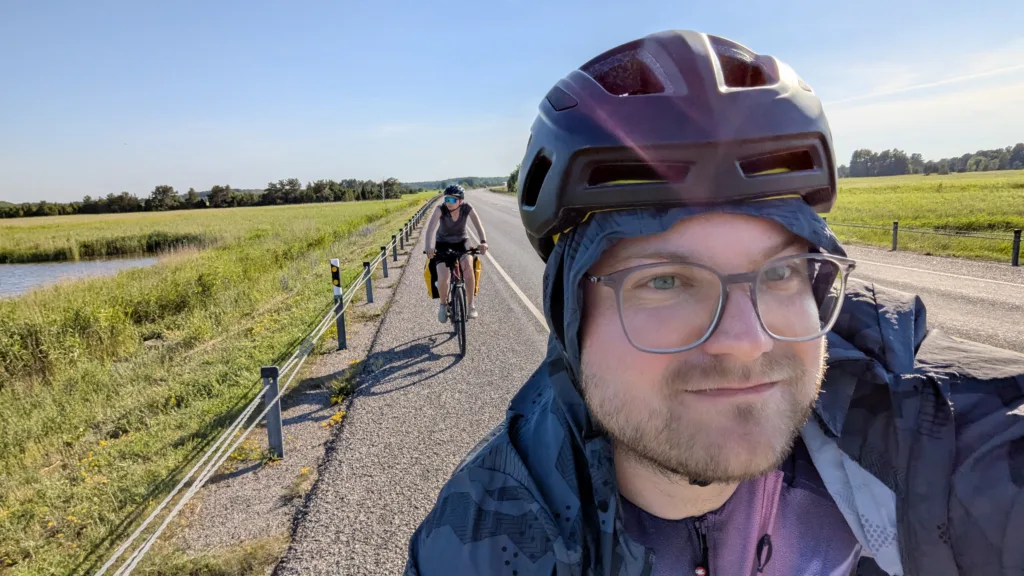
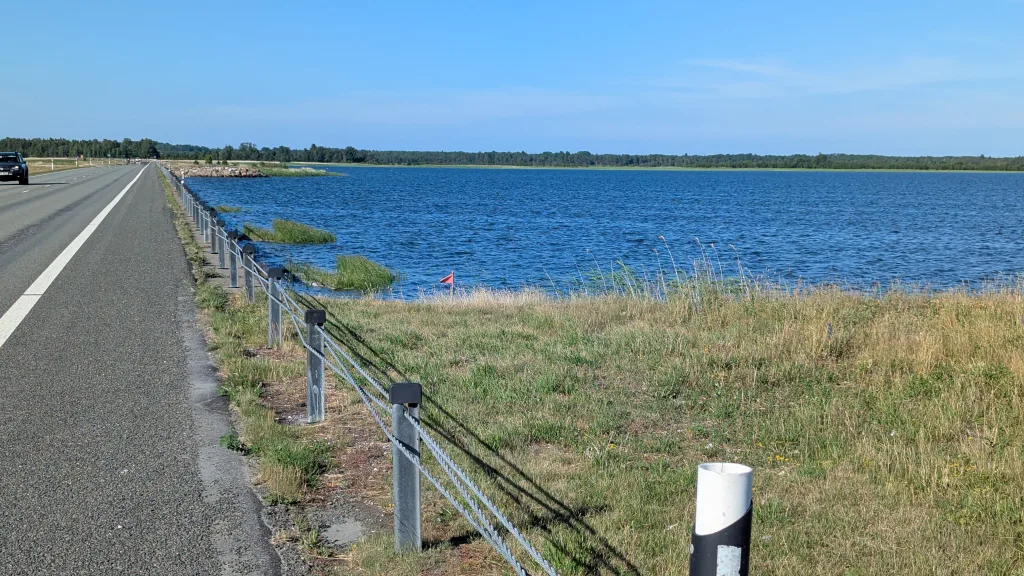
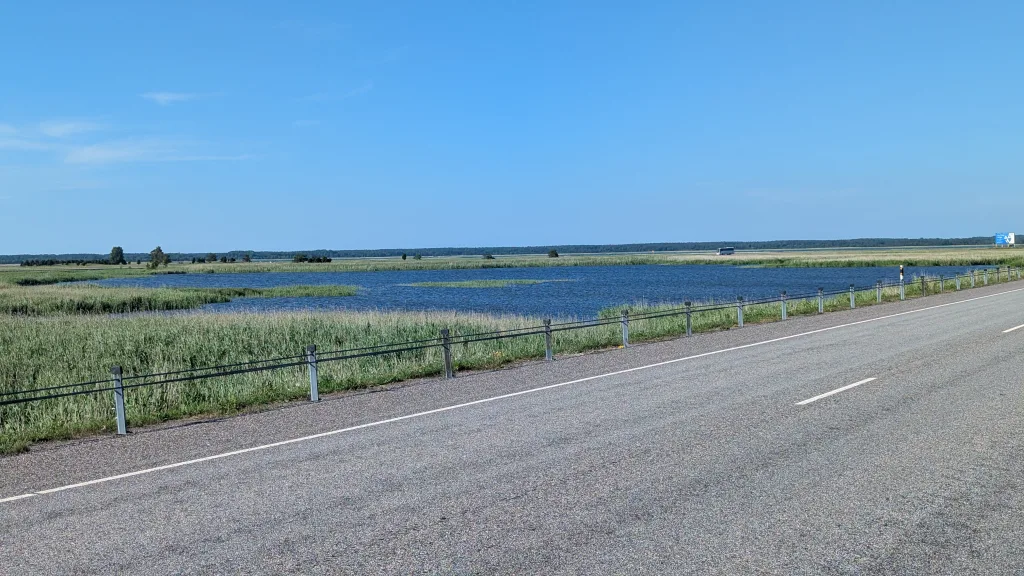
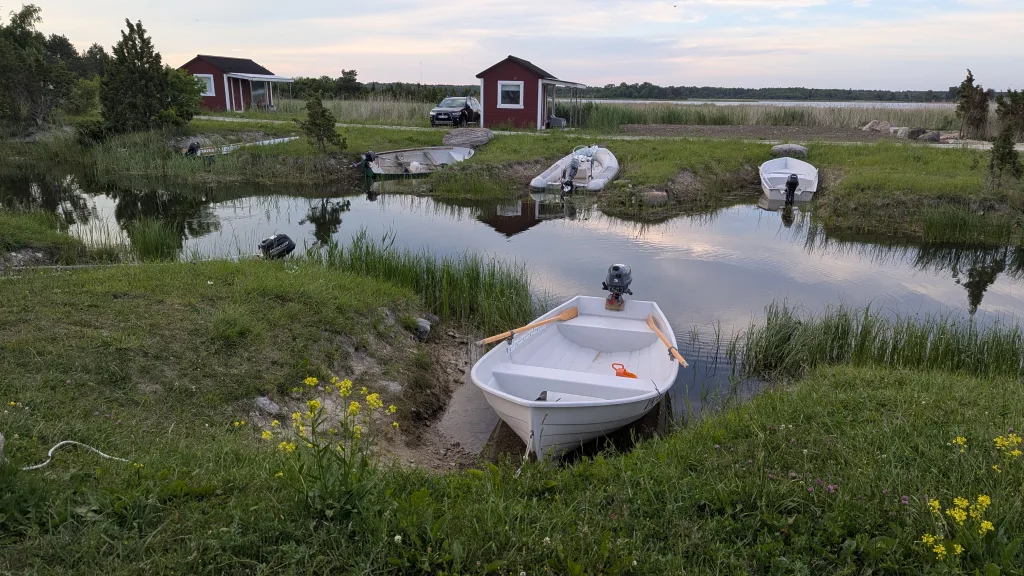
Passing the border, we crossed the causeway off Saaremaa and entered Muhu Island. Rike was completely exhausted by this point, but we pushed through the final stretch to our accommodation at Lõunaranna Harbour.
When we rolled in, we were surprised to find a local party in full swing down at the port. They had live music going on—a single musician playing traditional Estonian music on the guitar accompanied by background backing tracks. It created an amazing atmosphere that immediately turned the mood around after a hard day on the road.
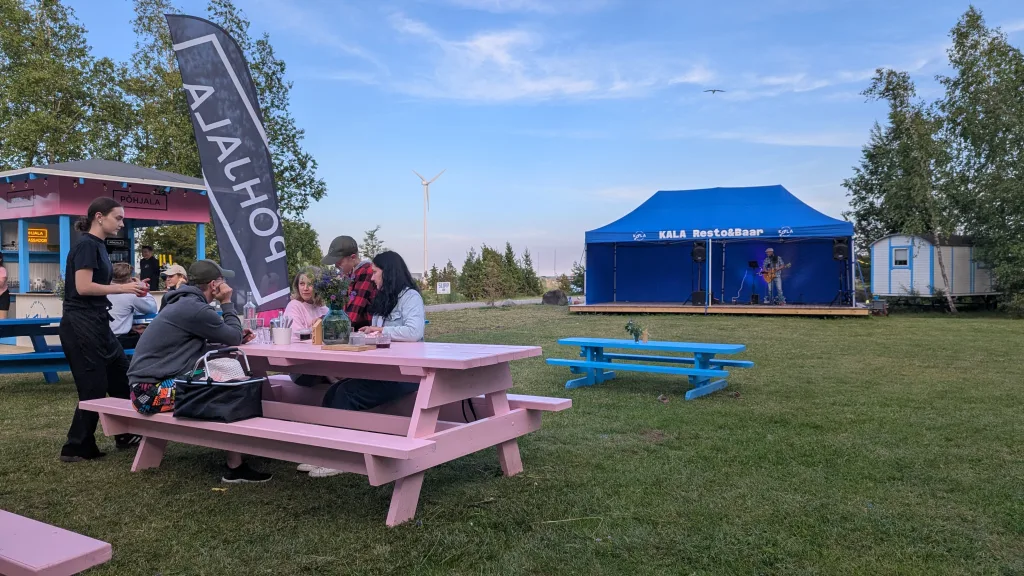
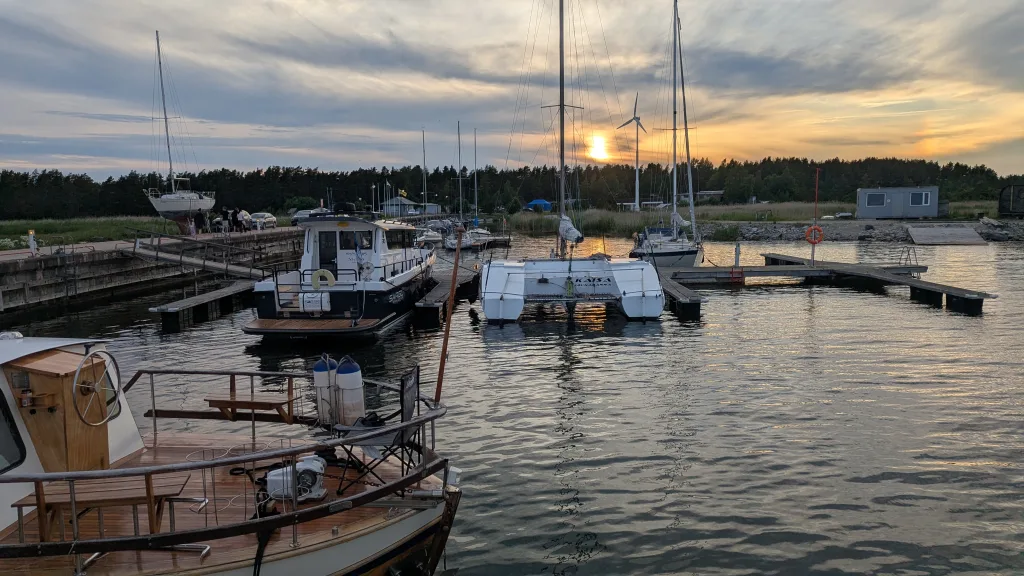
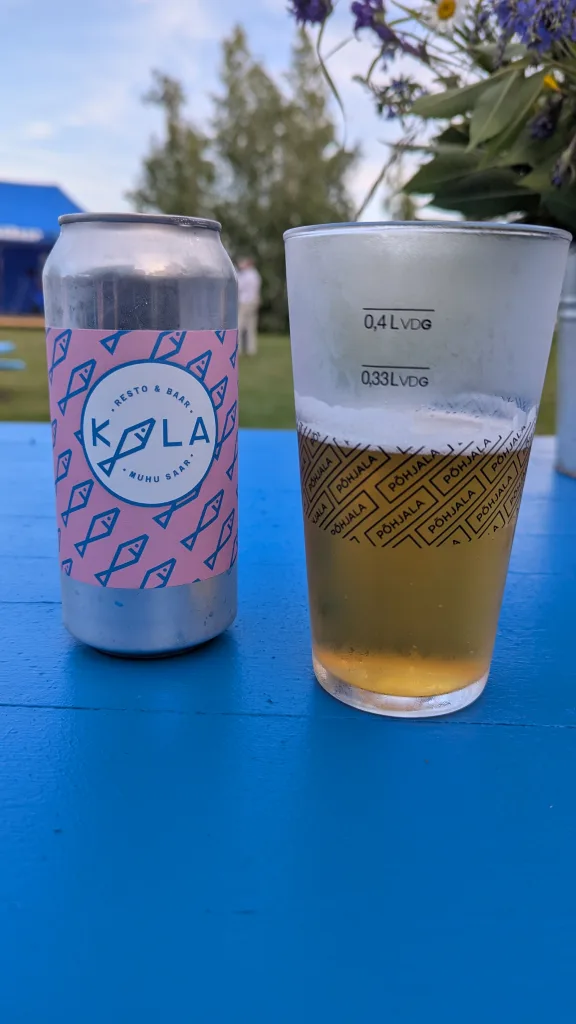
We ordered dinner at the harbor restaurant. Looking at the English menu, I spotted an item listed as “baby squid” and ordered it immediately. The Estonian text read “beebi tint”. I found out later to my mild disappointment that tint actually translates to European smelt—a small local fish—not squid at all. It arrived crispy and fried like finger food. Regardless of the translation mix-up, the food was delicious, and the bar even served an excellent custom-branded house beer brewed by Põhjala. It was a solid end to a long, unpredictable day.