Author: Calucon

  • Bike Tour Day 7

    Bike Tour Day 7

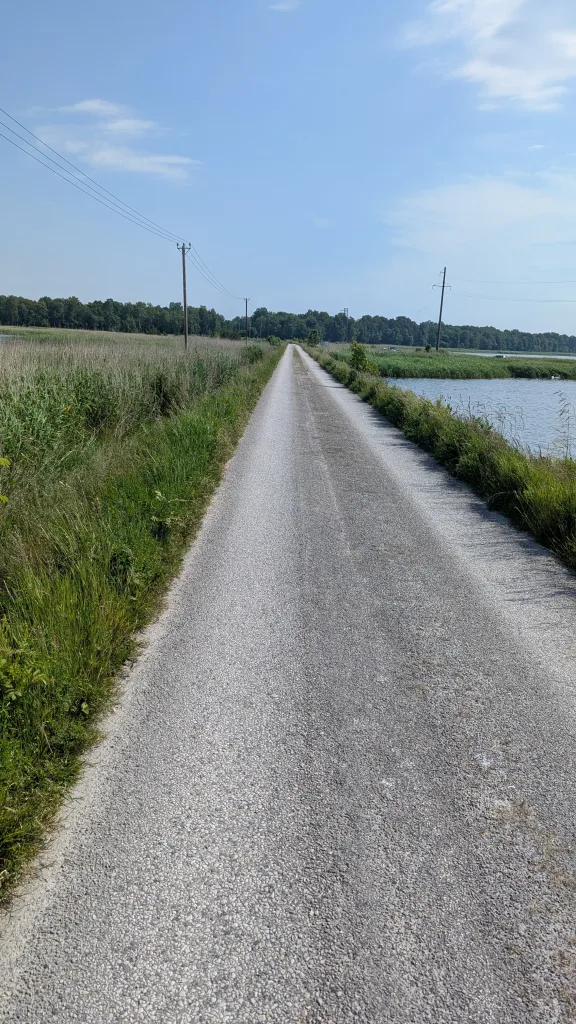
    The final morning of the tour at Lake Tรตhela started with a relaxed rhythm. We had no massive mileage ahead of usโ€”not even 60 kilometers of cycling left to reach our destination. However, we had an afternoon plan to meet up with a friend of Rikeโ€™s in Pรคrnu, so we packed our gear and got moving.

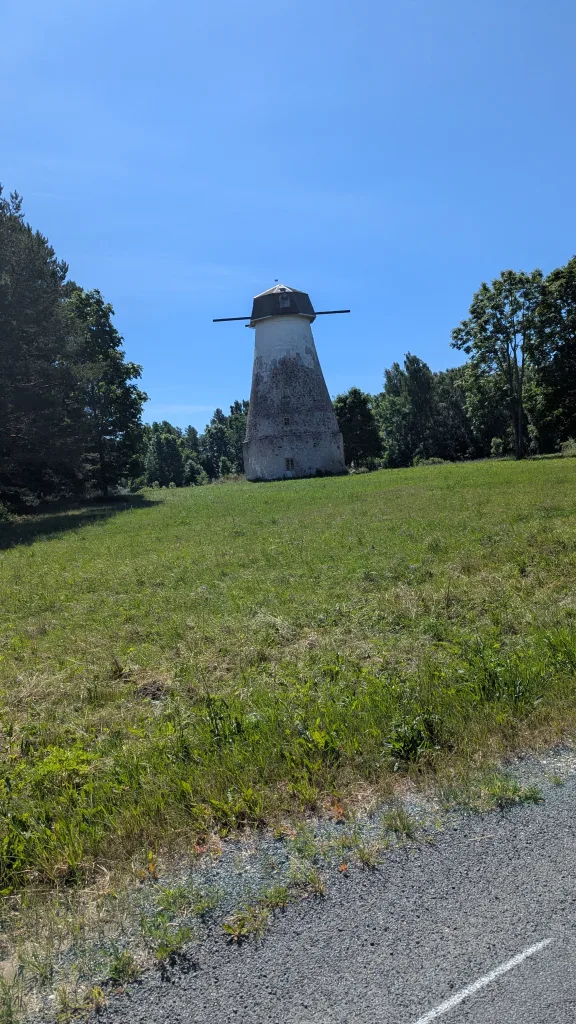
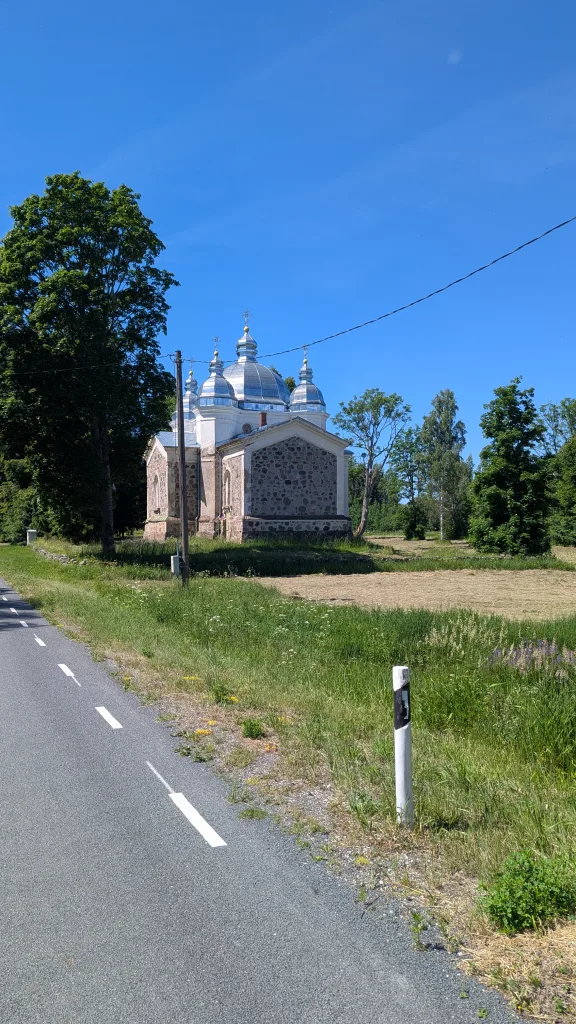
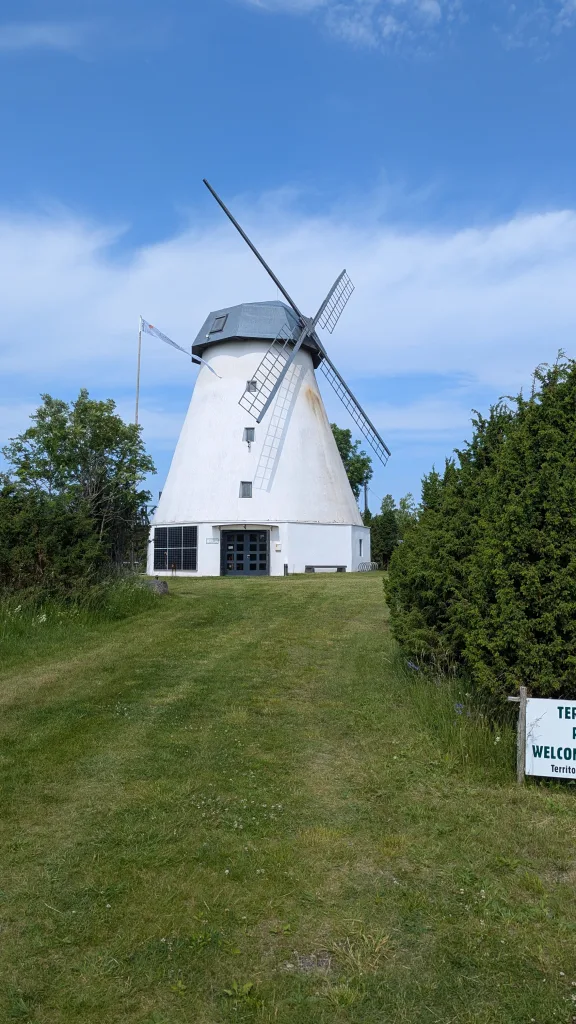
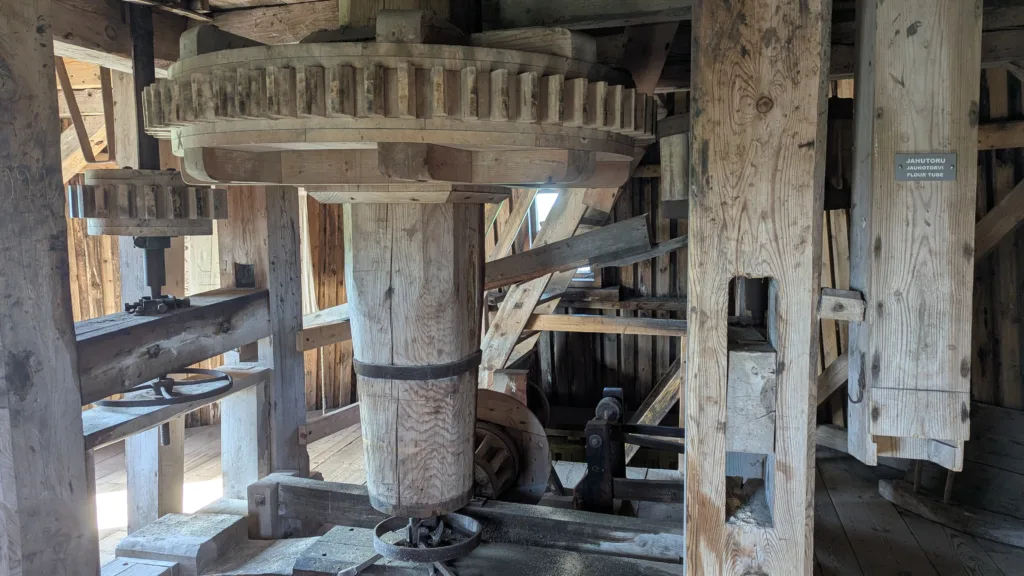
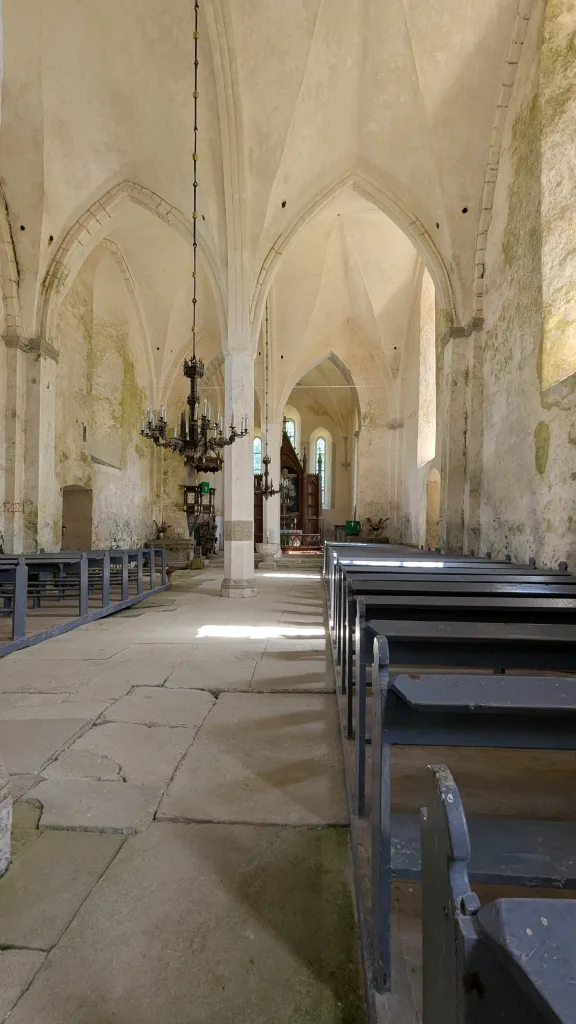
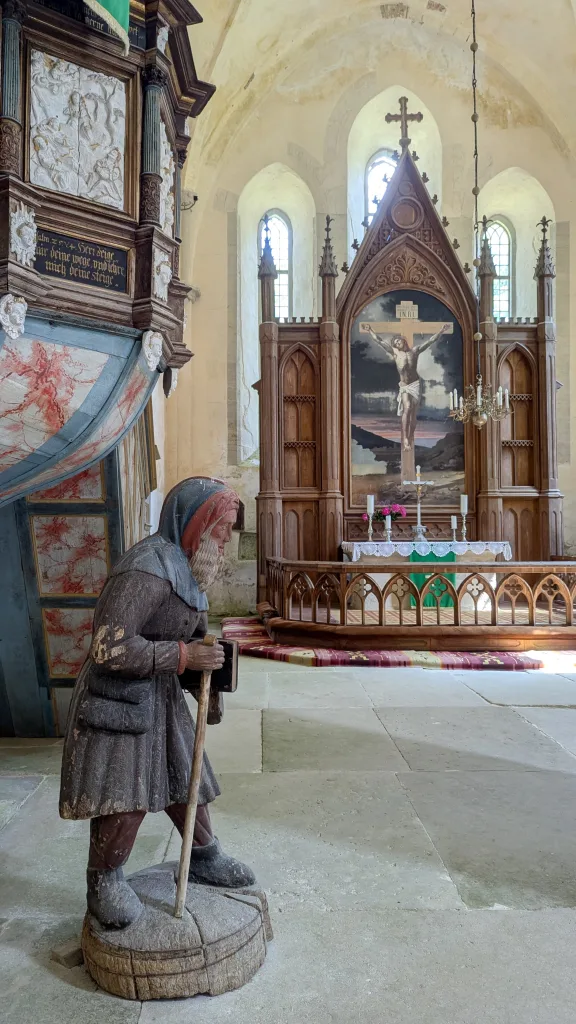
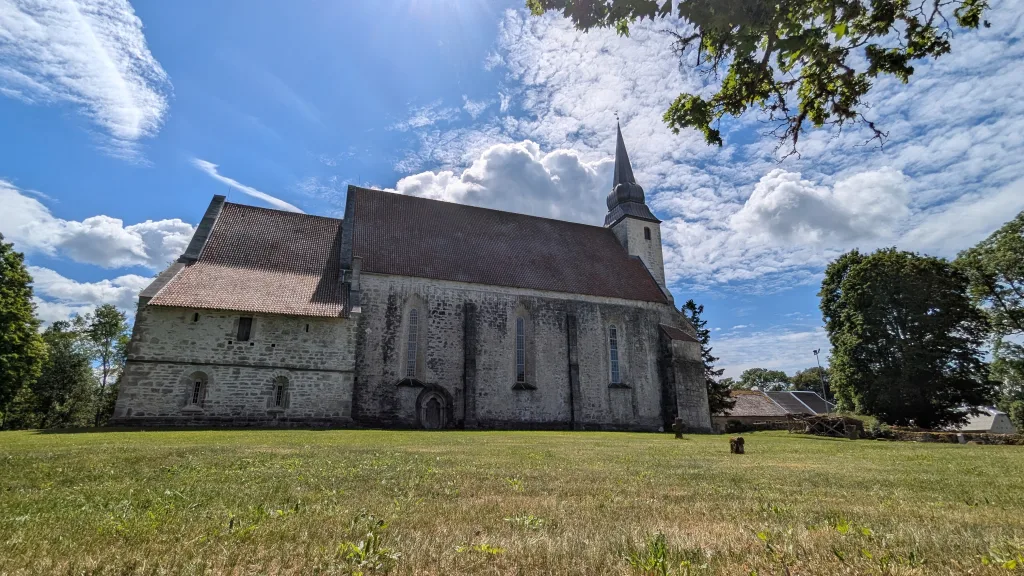
    Our route took us back south to Tรตstamaa before heading straight east toward Pรคrnu. Along the way, we spotted an old windmill near Pootsi and the Pootsi-Kรตpu Holy Trinity Church (Pootsi-Kรตpu Pรผha Kolmainu kirik).

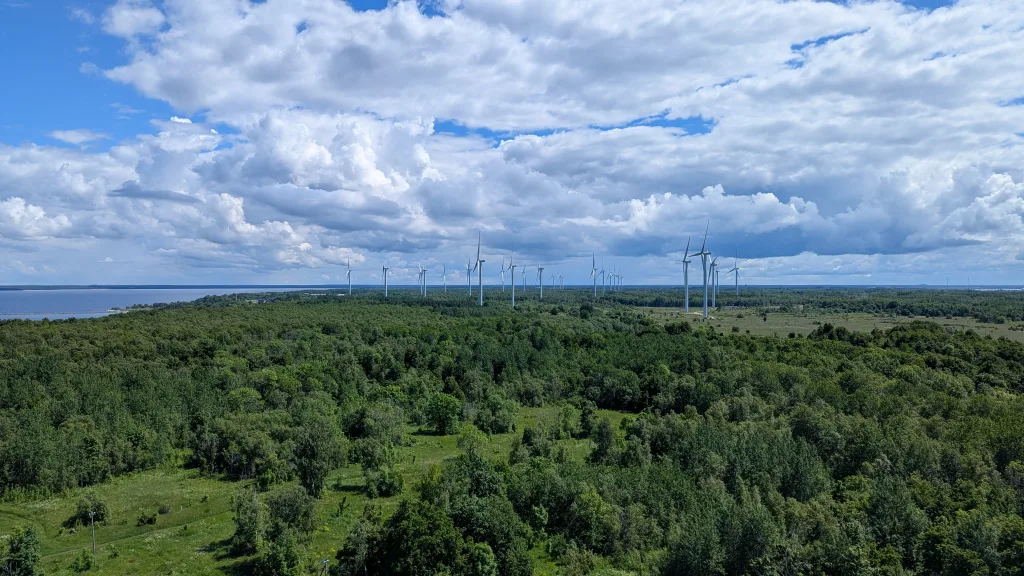
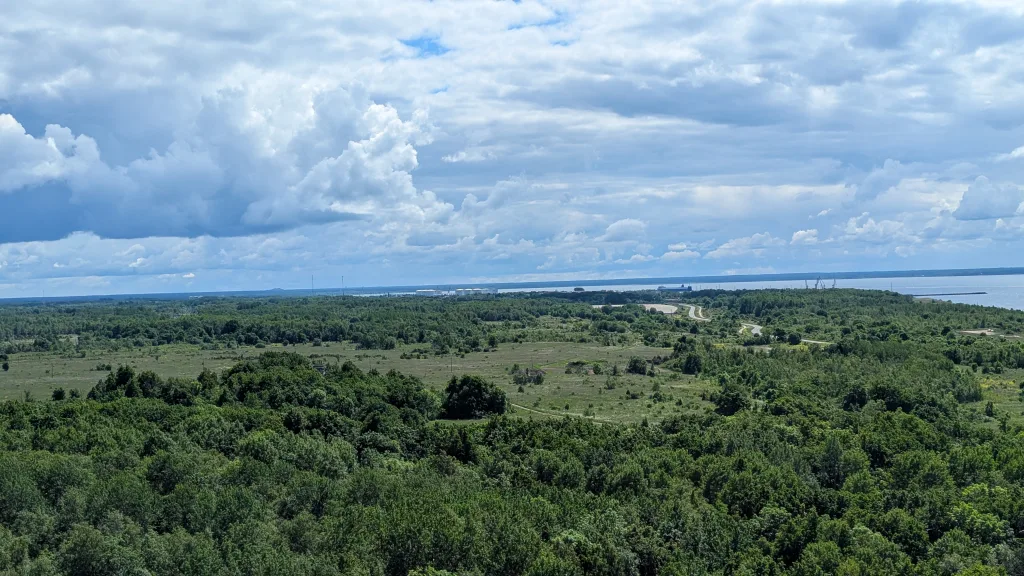
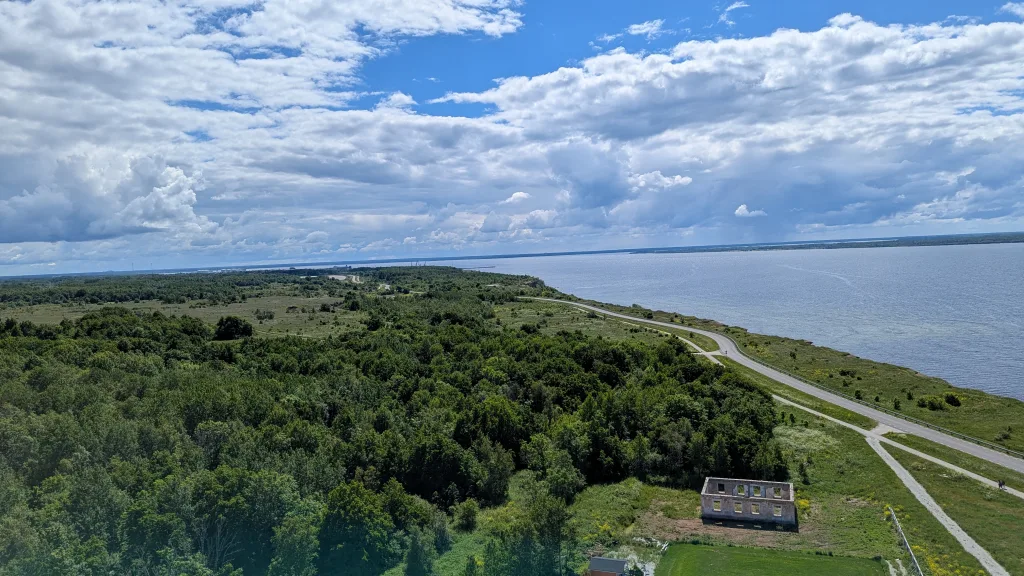
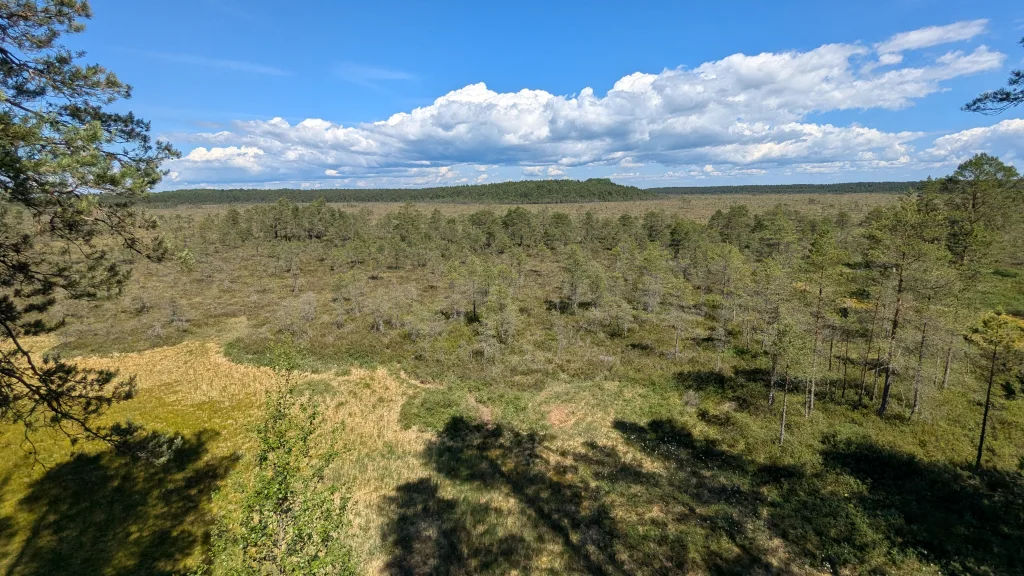
    Continuing onward, our next quick stop was the Lindi observation tower (Lindi vaatetorn).

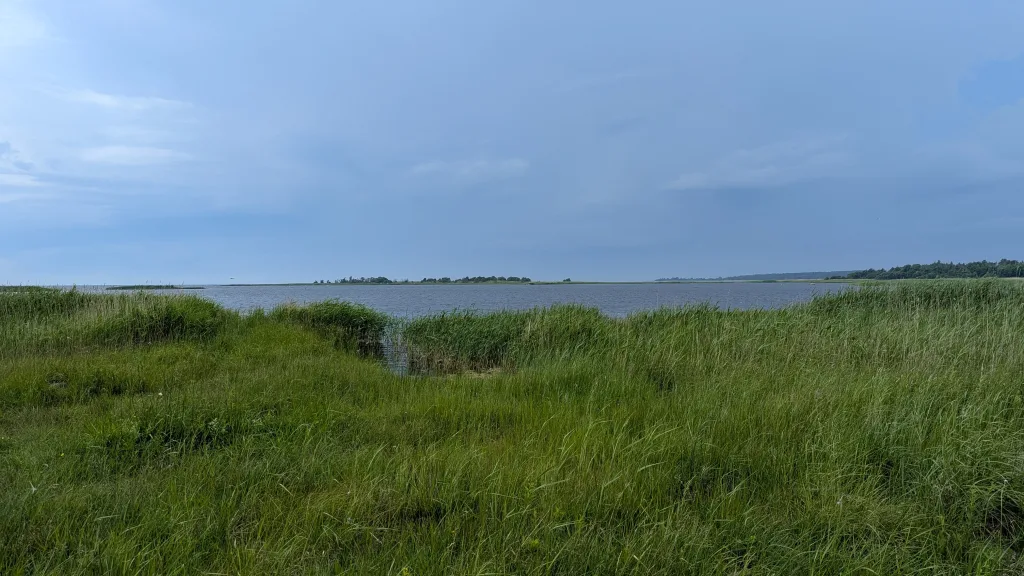
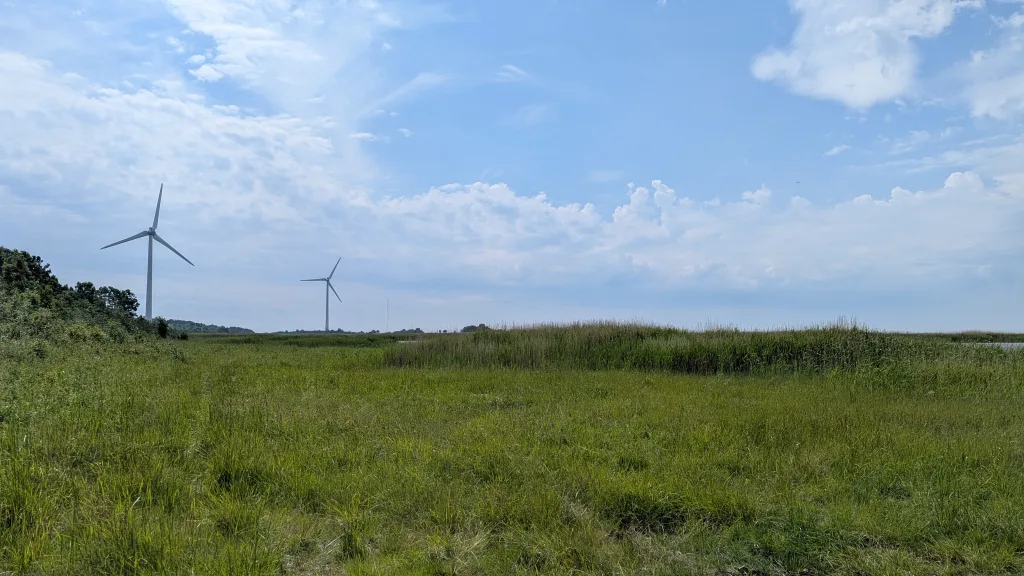
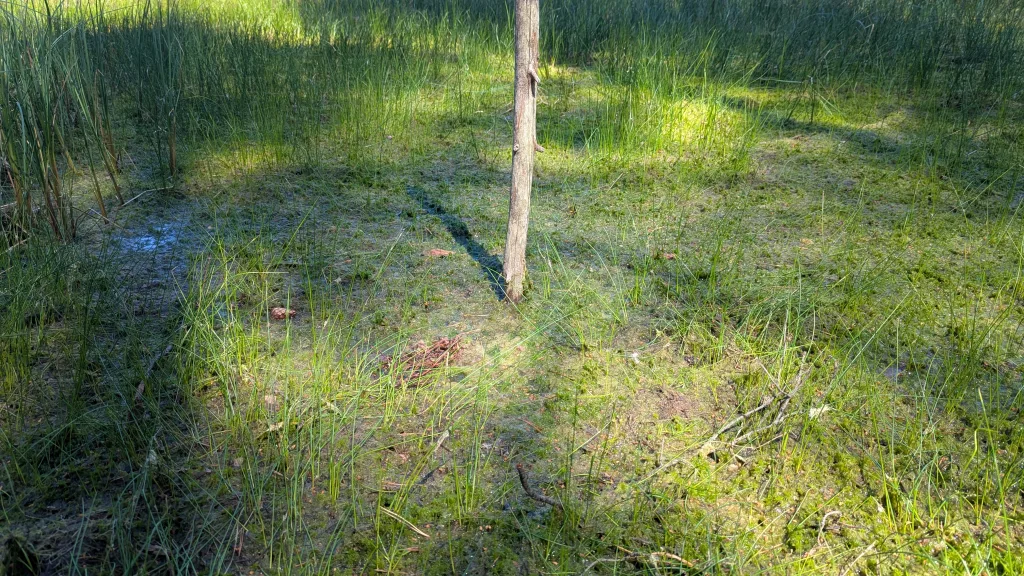
    The tower sits on the edge of the Lindi nature reserve, overlooking a vast, ancient bog and wetland complex.

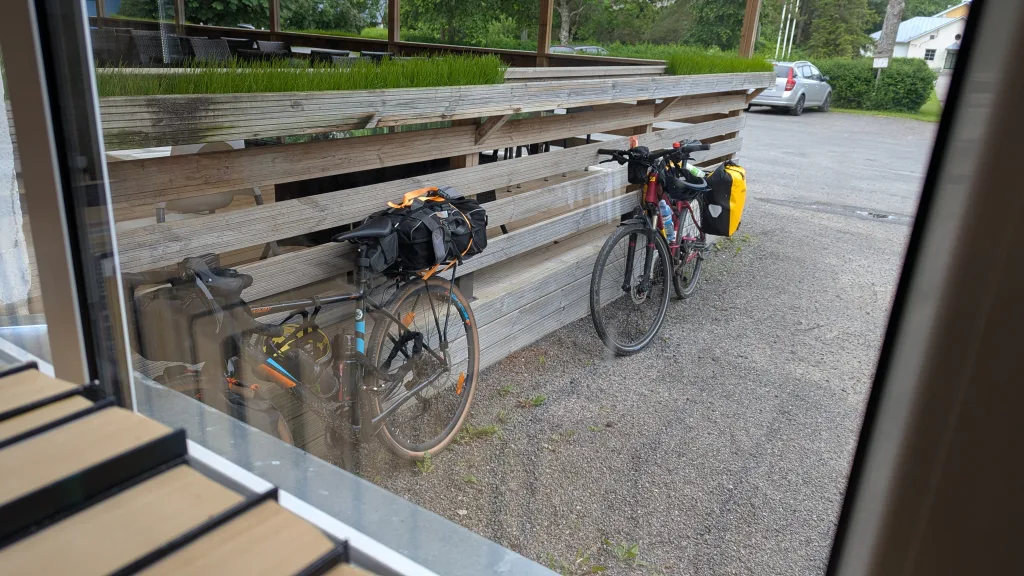
    We climbed up to get a view of the landscape, which turned out to be surprisingly vast and unique from above. After descending, we began scouting options for an early lunch break. I scoured Google Maps for nearby cafรฉs, but the only two options that appeared were closed, and the next one was too far down the road.
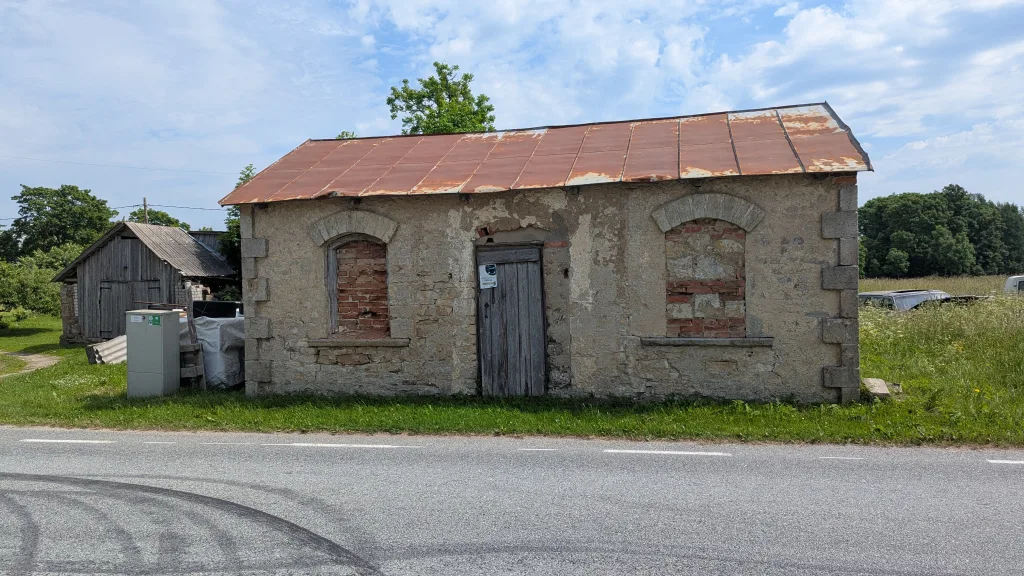
    We opted for improvised convenience instead, picking an old roadside shed to sit down and unpack our food. While taking our break, two German bikepackers overtook us. Later on, we overtook them right back when they stopped in Lindiโ€”which, as it turned out, was the exact village where the open cafรฉ was located. We decided against stopping again, preferring to maintain our momentum toward Pรคrnu.

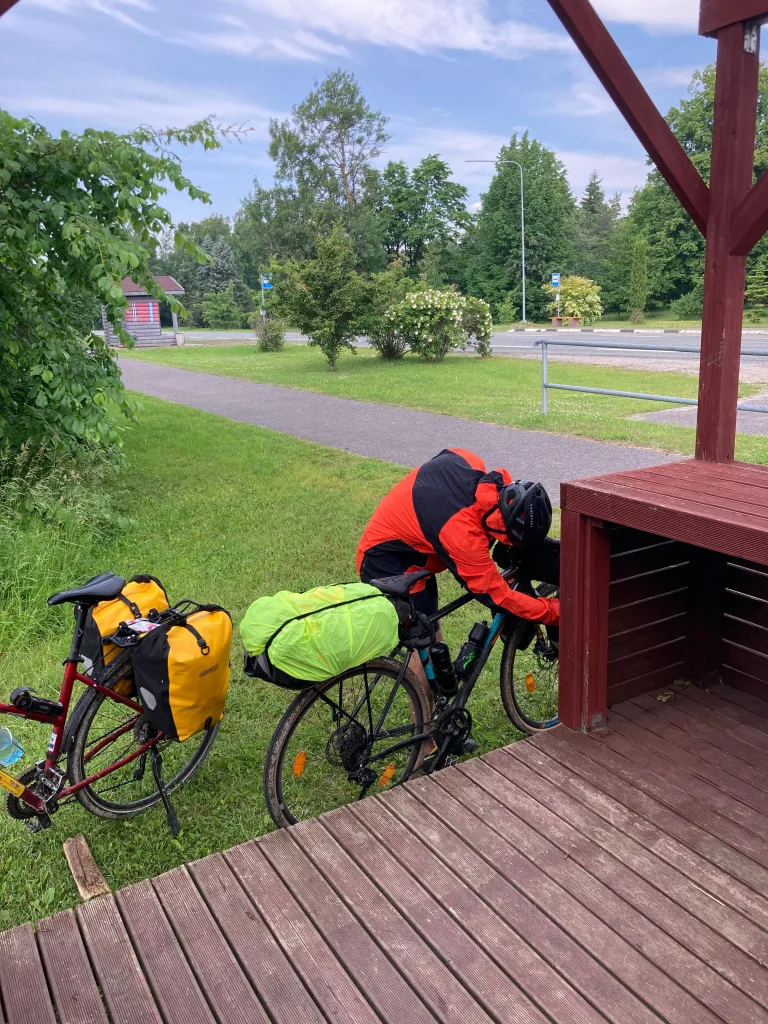
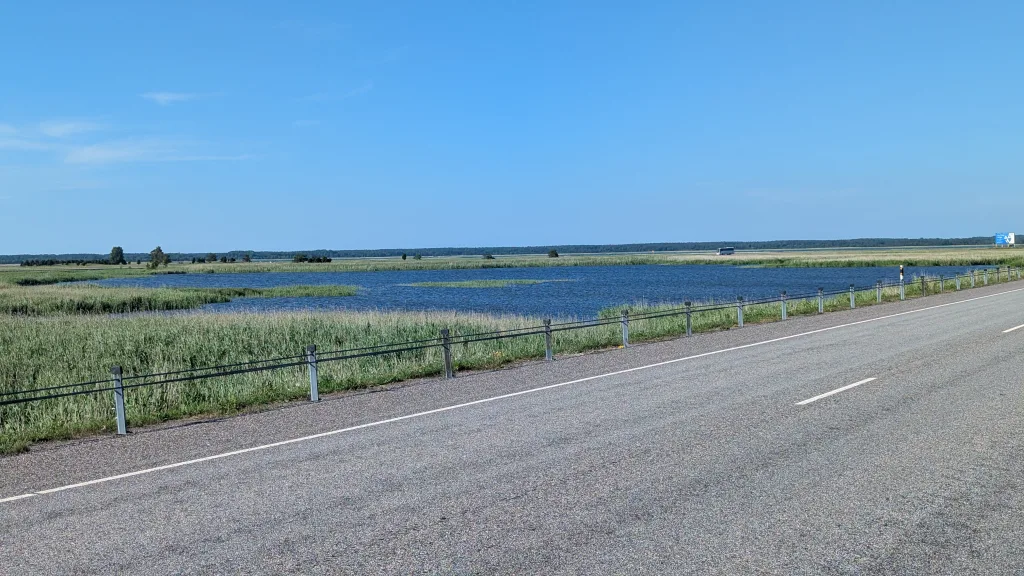
    About 15 kilometers before the city, we pulled over for one last roadside break. In my head, I figured our route would trace right along the coastline soon. We sat by the road, ate our snacks, and got back on the bikes. I should have paid closer attention to the map, though; just around the next few bends, we entered the Valgeranna area.

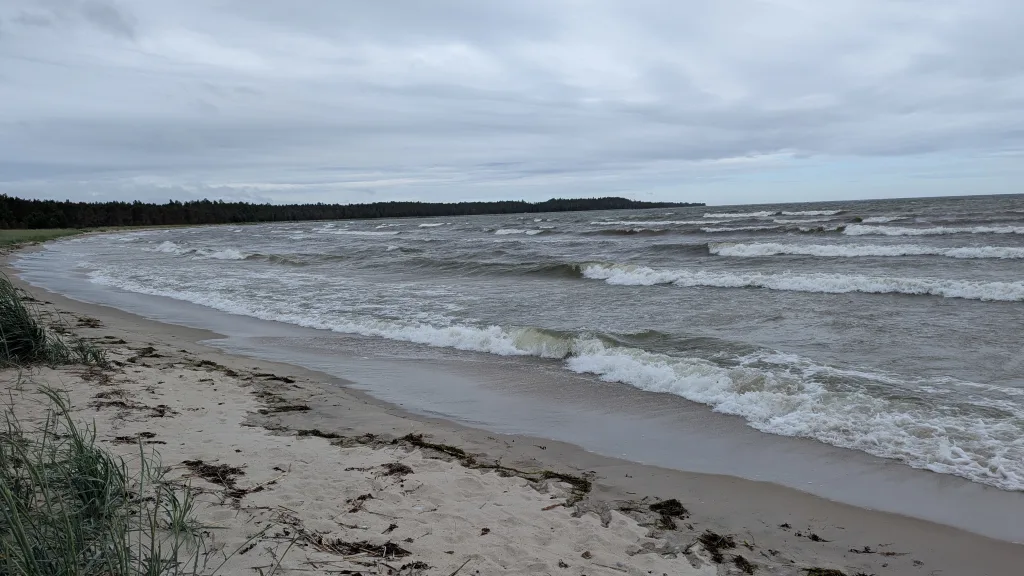
    Valgeranna is famous for its beautiful white sand beach and quiet pine forests.
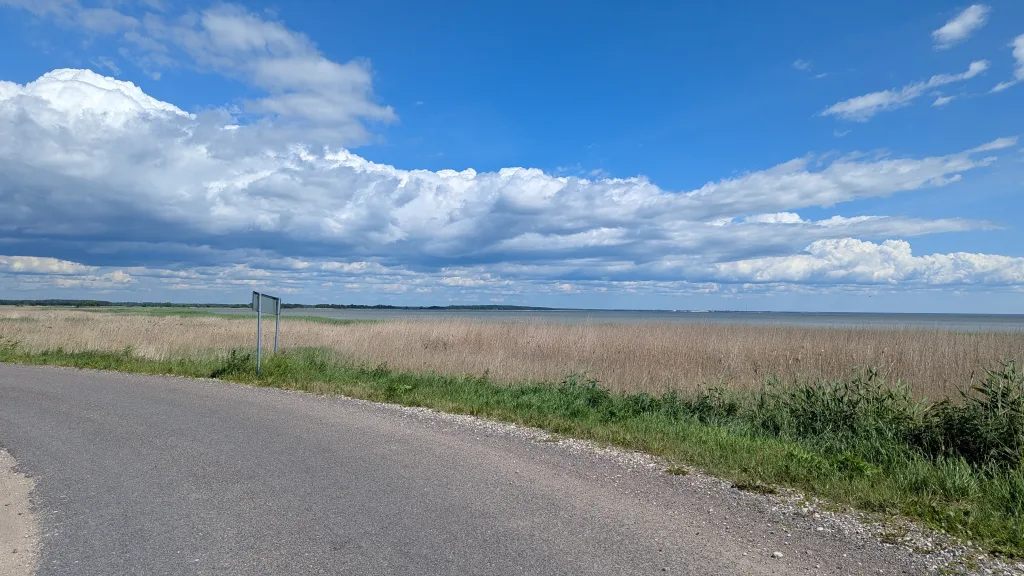
    Instead of sitting right next to the asphalt with no sea access, we could have had our lunch break directly on the beach. I accepted the logistical misfire and focused on the immediate goal: get to Pรคrnu first, beach later.

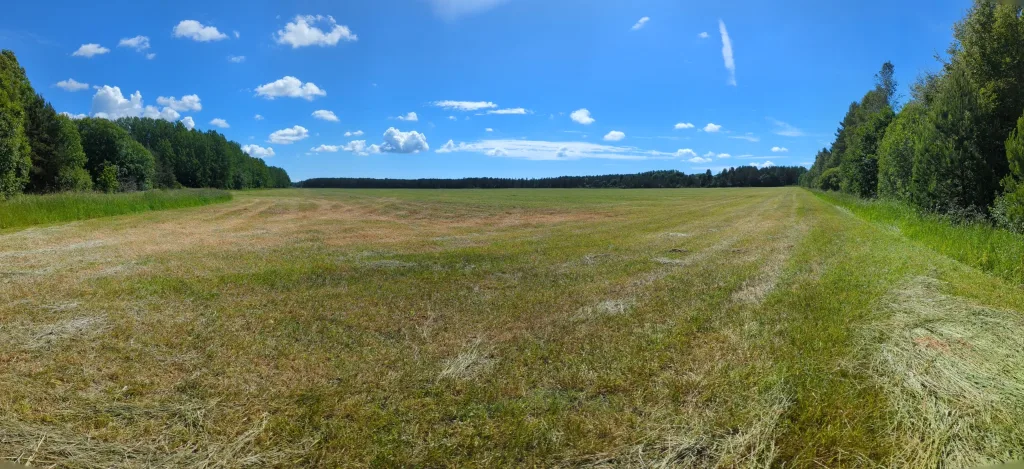
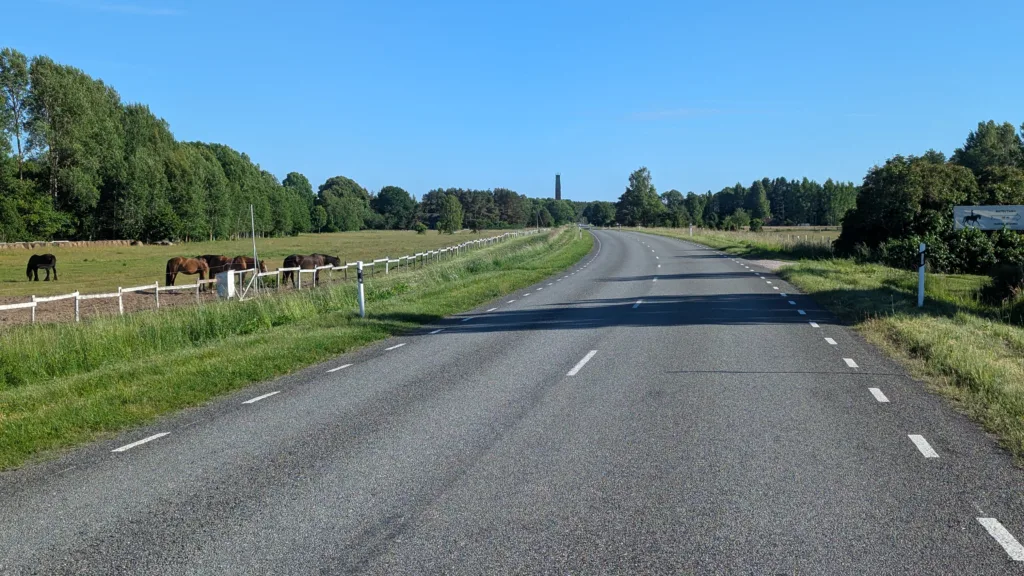
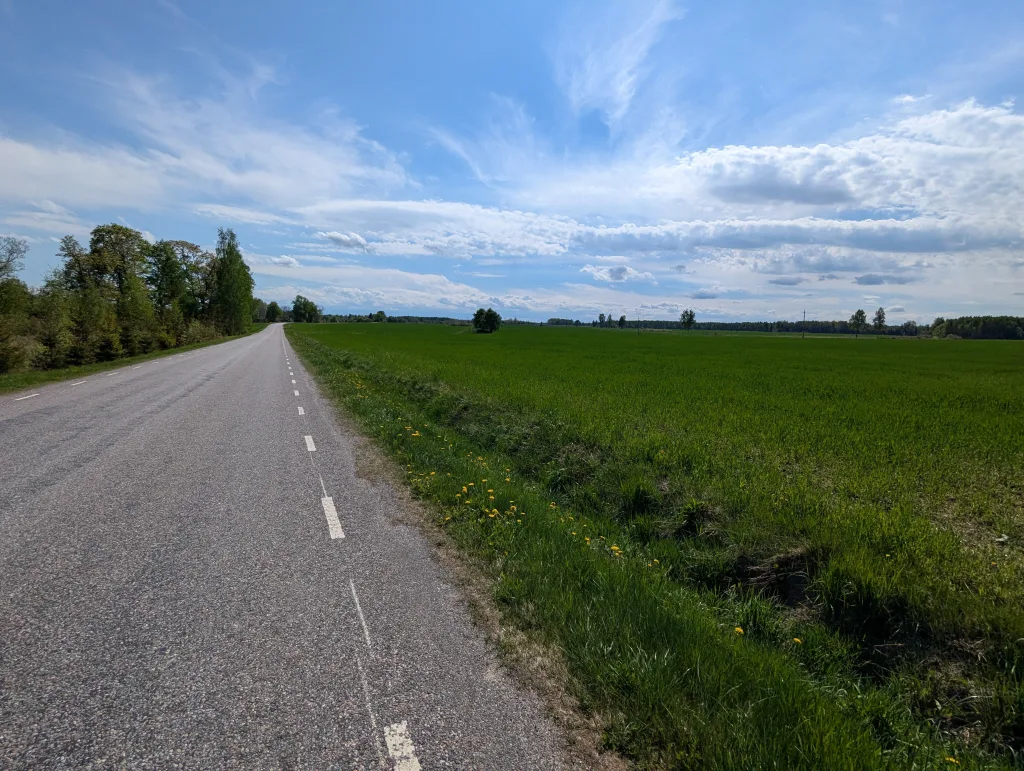
    After days of riding through the quiet, smooth countryside, entering the city limits of Pรคrnu was a jarring transition. Your body gets completely accustomed to predictable country roads, and suddenly you are forced onto urban cycleways filled with curbs, unexpected bumps, and potholes.

    โ€‹Regardless of the changing terrain, we arrived smoothly at the apartment of Rikeโ€™s friend, Helina, right around 15:00. After dropping our gear and saying quick introductions, we immediately headed out to the main beach to celebrate the end of our trip with a swim in the ocean.
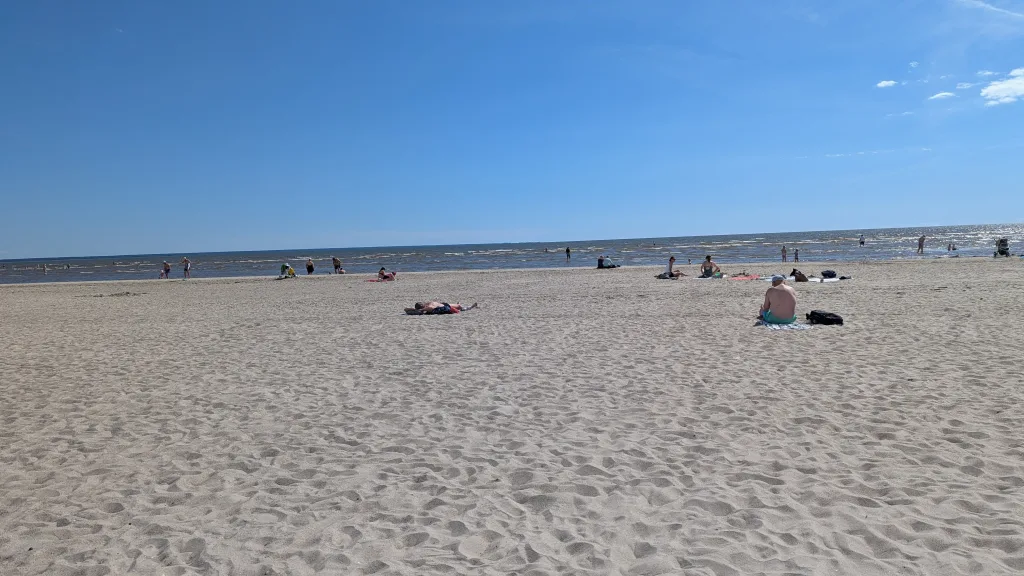
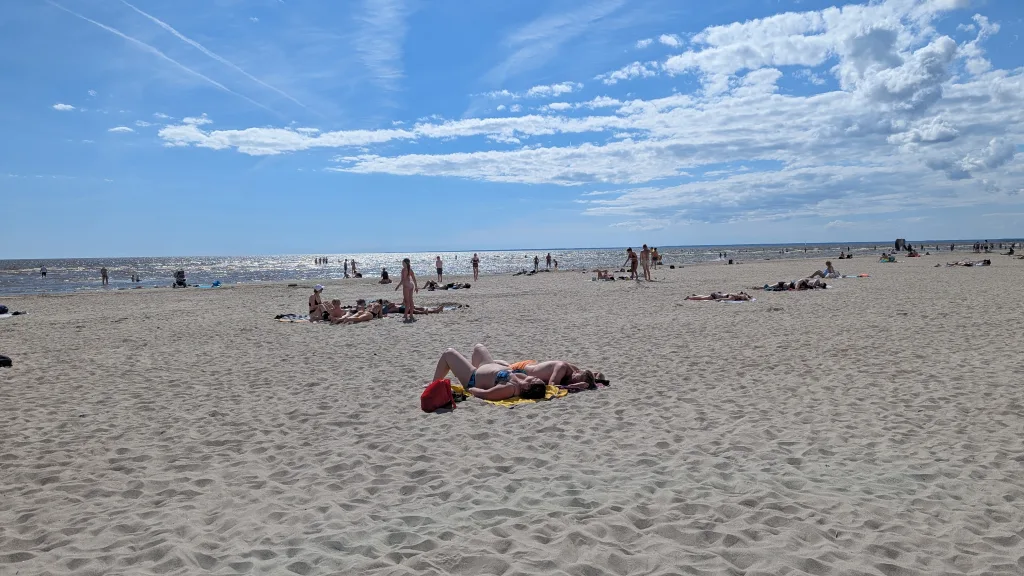
    The swim left everyone hungry, so we headed to a local restaurant known for serving both burgers and sushi. Sadly, there was no hybrid “sushi burger” on the menu, but the food was excellent. Helinaโ€™s brother joined us there. I was the only person at the table who didn’t speak a word of Estonian, but I still had a great time; I managed to catch tiny bits of the conversation, and they translated the overall gist of the stories into English for me.

    After dinner, it was time for Rike to pack her bags and head to the bus terminal to catch her ride back to Tallinn to return her rental bike. Helina and I walked with her to the station. Seeing her board the bus was a genuinely sad momentโ€”spending an entire week navigating islands, dealing with winds, mechanicals, and injuries creates a solid bond, and it felt strange to watch the partnership end at a bus bay.
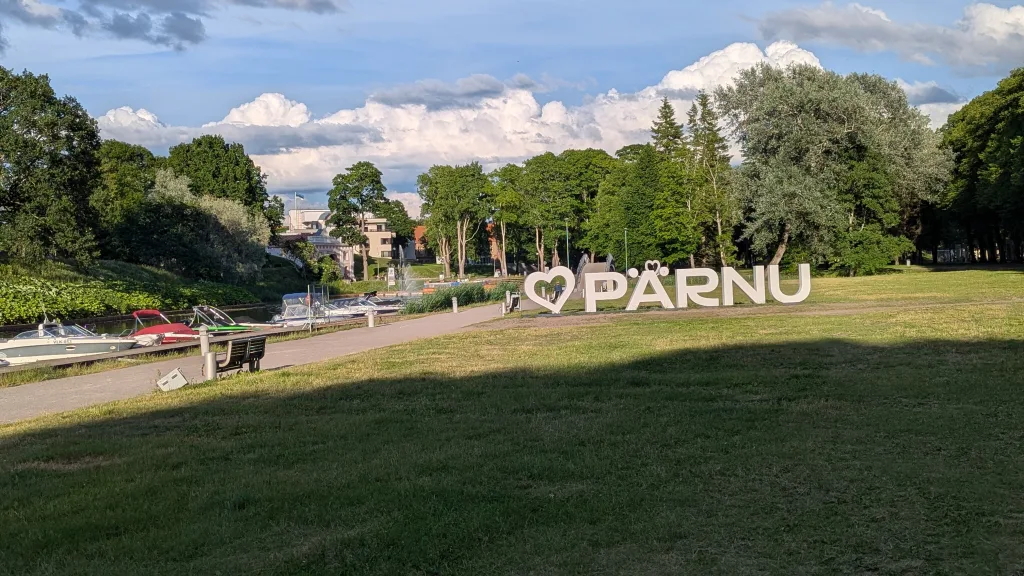
    Once the bus pulled out, Helina gave me a brief tour of Pรคrnu by bike, showing me the local architecture and quieter corners of the summer capital. Afterward, we headed to the Dรผรผn beach bar for a drink. The FIFA World Cup was playing on the big screen, and every single seat facing the television was completely occupied. However, that crowd logic worked entirely in our favor; because everyone was staring at the game, we managed to secure front-row seats facing directly out over the quiet beach and the water.
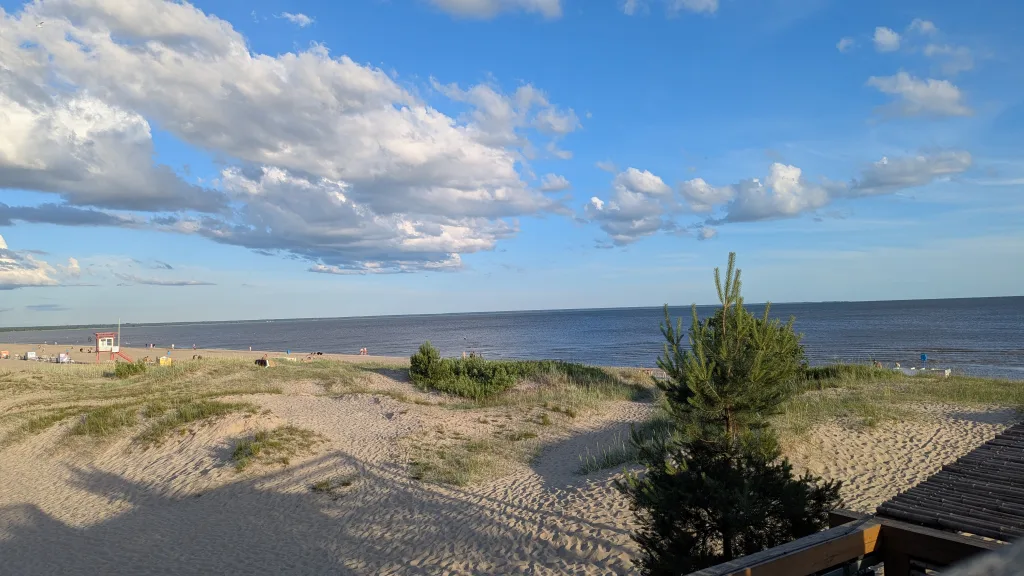
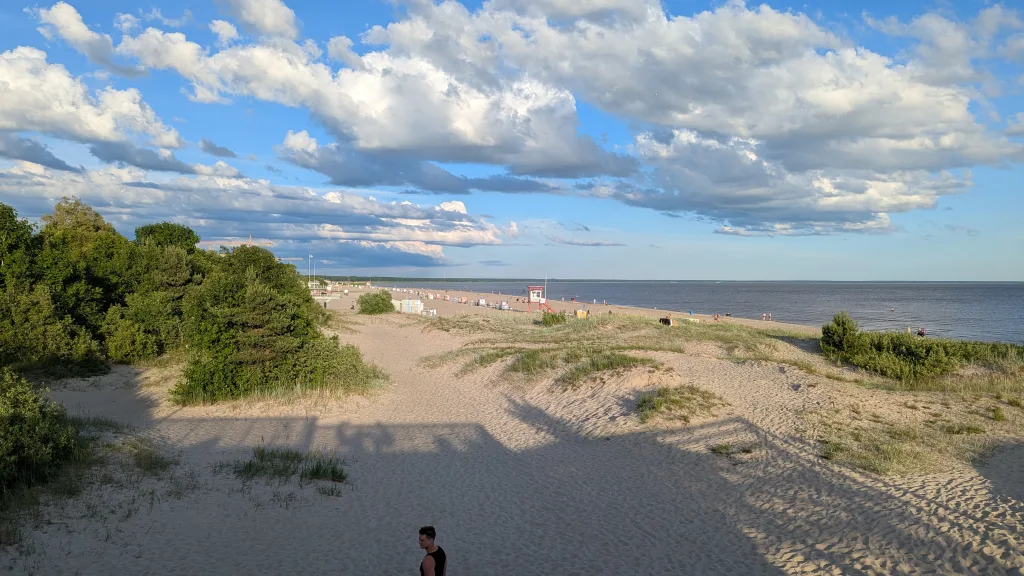
    Later in the evening, we joined her mother and some friends for dinner, wrapping up the night with fantastic conversation.

    Because I had cut my 11-day trip down to seven days, I originally had no plans to stay the night in Pรคrnu, meaning I had no accommodation booked. The day prior, Rike had reached out to Helina on my behalf to ask if they might have space for me. I am incredibly grateful for how everything turned outโ€”agreeing to let someone who was, at that point, a complete stranger crash at their place is a level of local hospitality I won’t forget.

    The tour didn’t end where I originally planned, but looking back at the islands, the people, and the miles covered, it was a phenomenal week on the road.

    Suur Aitรคh!

    Loading this activity contacts Strava, which receives your IP address and which page you are on, and sets cookies.

    Open on Strava

    Strava privacy policy

  • Bike Tour Day 6

    Bike Tour Day 6

    We started the morning at Lรตunaranna harbor on Muhu Island, leaving us with a straightforward 7.5-kilometer ride to catch the 10:00 AM ferry back to the Estonian mainland. Right after the ferry crossing, I told Rike that I was seriously debating whether to continue the full tour or not. My foot was already an issue, and I was weighing alternative options, like cutting the riding short in Riga and taking a bus from there to my final destination in Liepฤja. For the moment, we just kept moving, tracing the coastline closely along the combined EuroVelo 10 and 13 cycling routes.

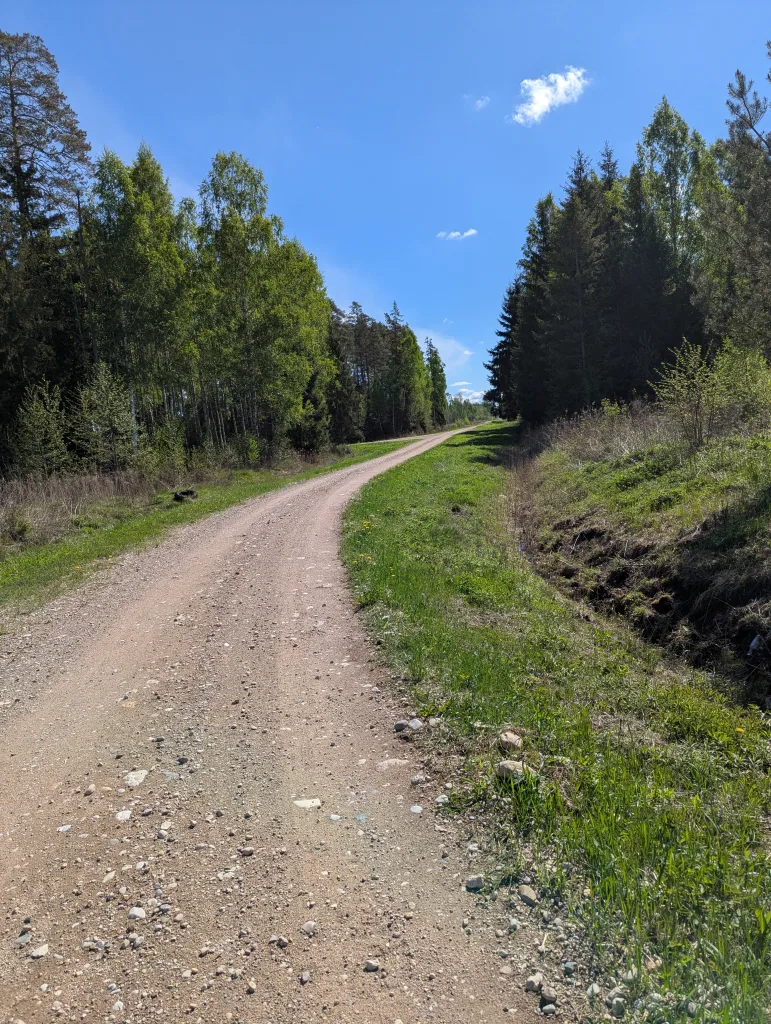
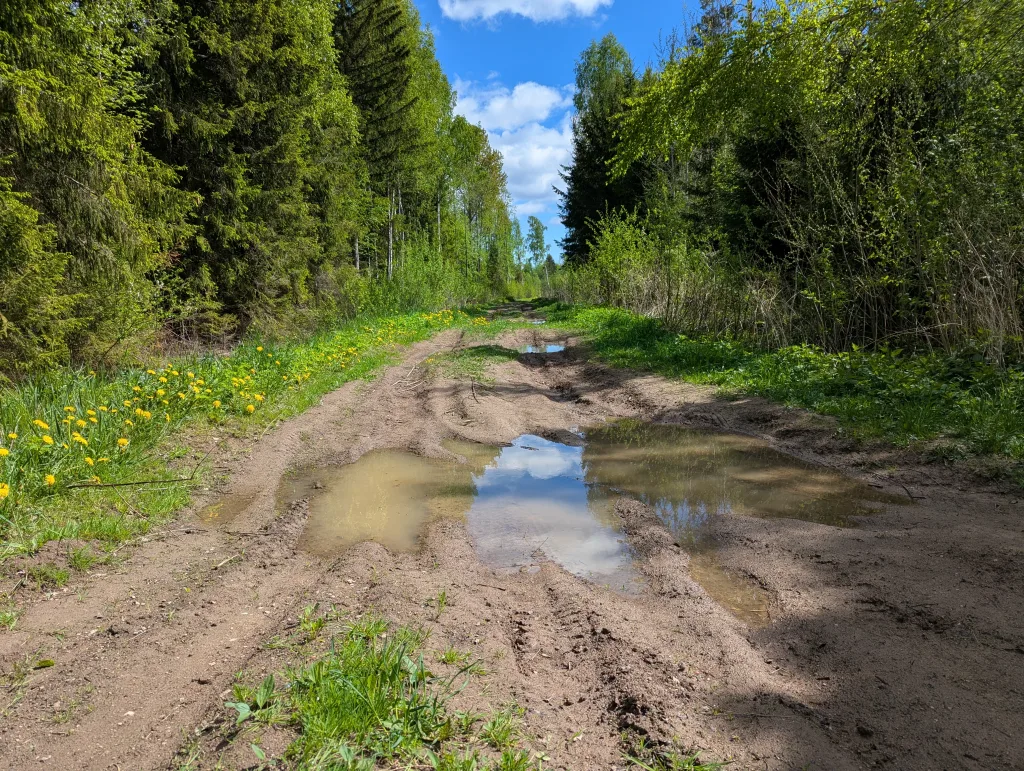
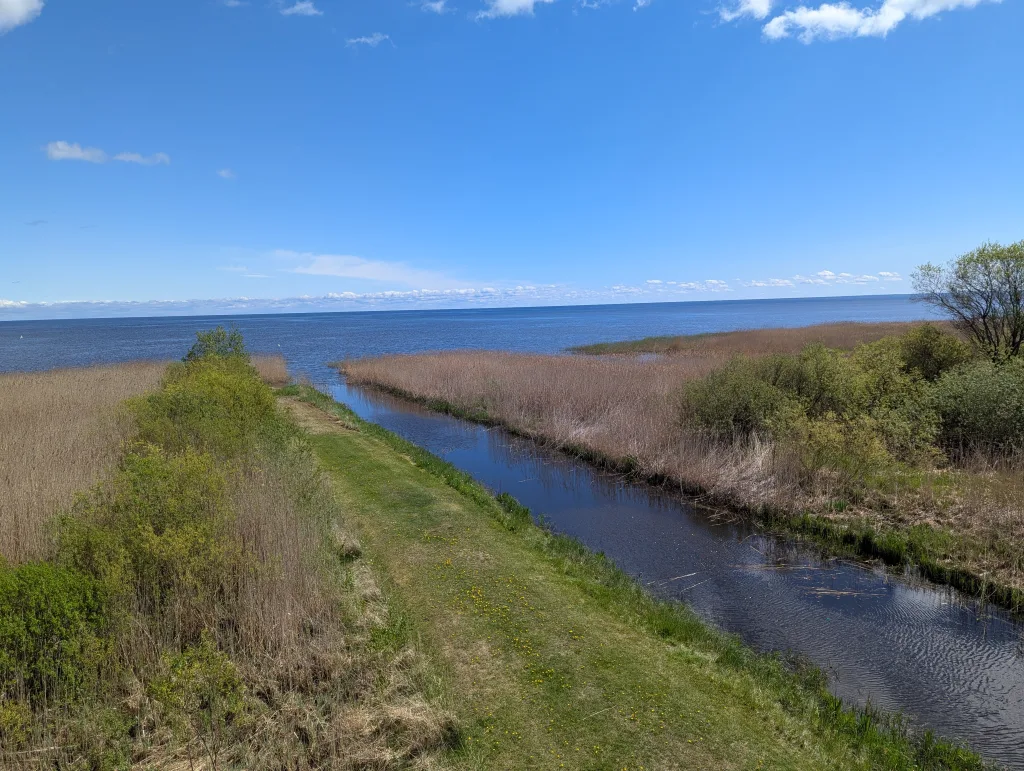
    Near an area marked on the map as Tamba, the route tracked right along the edge of the sea. We decided to scout around for paths that could lead us right down to the water and eventually found a track that showed up as just a nameless dotted line on my Garmin map. It looked roughโ€”the kind of trail where you would typically expect to see a tractor or a 4×4 ATV rather than touring bikes. It was quite bumpy and had a few muddy sections that required some careful line choice to avoid slipping, but our gravel setups handled the terrain without any issues. At the end of the path, we found a small clearing that we used as a lunch spot. Thicker fields of coastal reeds blocked us from getting directly to the water’s edge, but it was still a great, quiet view.

    While eating our lunch, we noticed a massive bank of storm clouds closing in. The radar predictions indicated the storm was tracking straight toward us and would stay over our route for the next several hours. To maximize our dry riding time, we packed up quickly and got back on the asphalt. We made it as far as Varbla before the first drops hit, allowing us to duck into a concrete bus stop shelter to pull on our rain gear.

    We set off into the downpour, expecting a long, wet afternoon. Fortunately, the weather system shifted unexpectedly, and the rain stopped entirely after barely 30 minutes. As the sun came back out, the wet roads began evaporating, making the air incredibly humid.

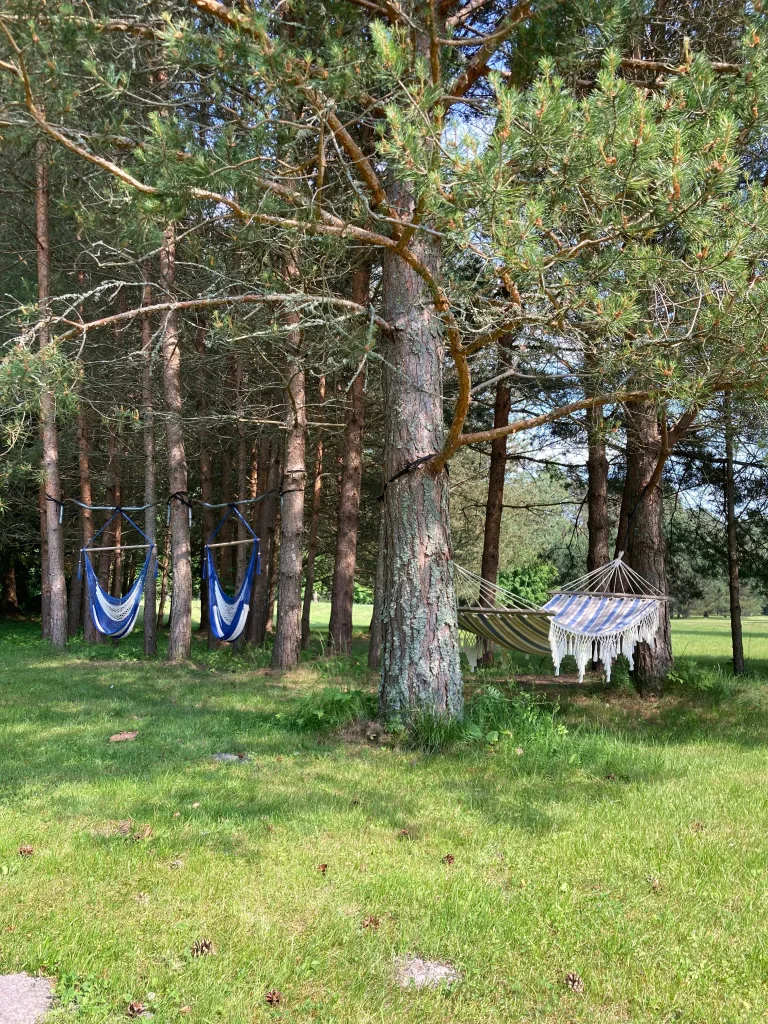
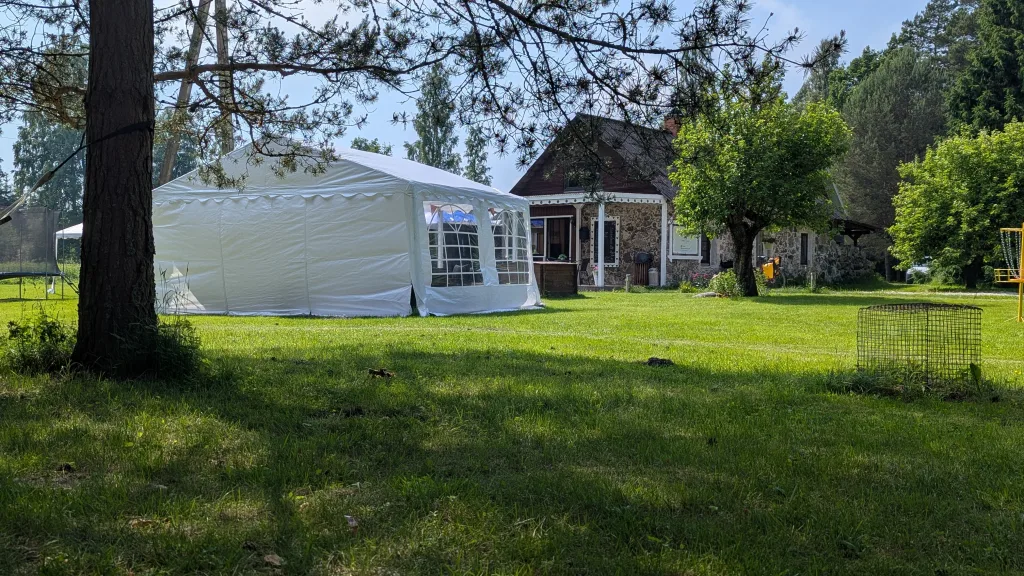
    We shed our rain gear and kept spinning until we hit the outskirts of Tรตstamaa, where we spotted a cafรฉ called Anu pagar. We pulled over for a coffee break, and I picked up a cinnamon roll. The cafรฉ had a nice garden out back with hammocks hanging in the shade, so Rike asked if we could use them. It was perfectly relaxing for about five minutesโ€”until the local mosquito population picked up my scent. Within ten minutes, I was hit by at least eight mosquitoes that managed to bite straight through my shirt and socks. Oddly enough, not a single one went near Rike. Unable to enjoy my coffee, I abandoned the hammock and retreated to a screened tent structure in the garden. Rike followed shortly after when the bugs finally turned their attention to her once I was gone.

    Sitting inside that tent, it was time to make the definitive call. I had been watching the data from my dual-sided power meter pedals on the Garmin all day, and the numbers didn’t lie: my left-to-right power balance was sitting at a drastic 60% left and 40% right. Subconsciously, my body was heavily favoring the uninjured leg to protect my swollen foot.

    I showed Rike the numbers and explained that I was officially cutting my losses and ending the tour the next day in Pรคrnu alongside her. Pushing through for another five days would have just risked long-term joint or tendon damage. Internally, it was a frustrating and disappointing pill to swallowโ€”no one likes failing a goal they’ve planned for. But sacrificing my health just to achieve it would have been dumb.

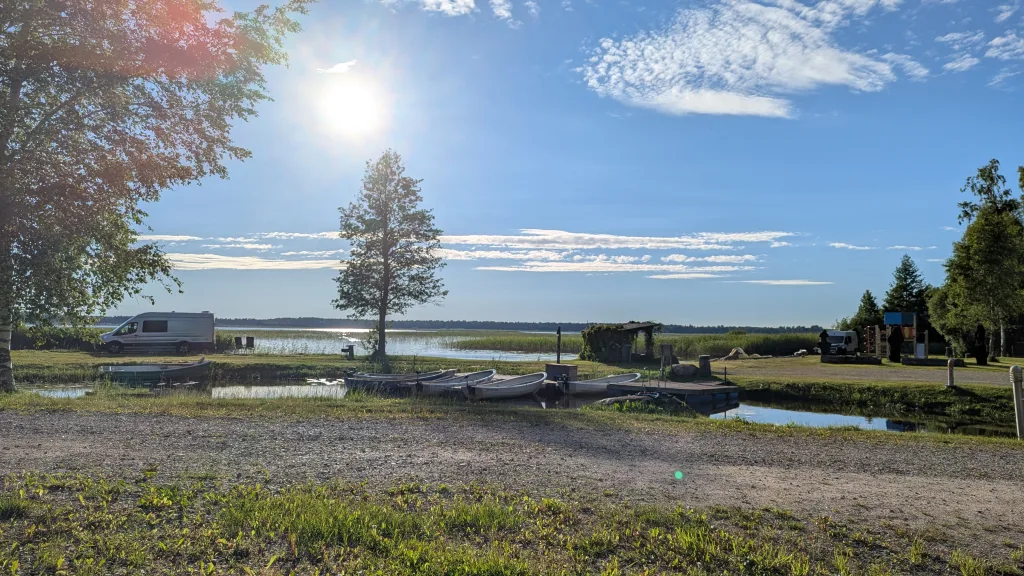
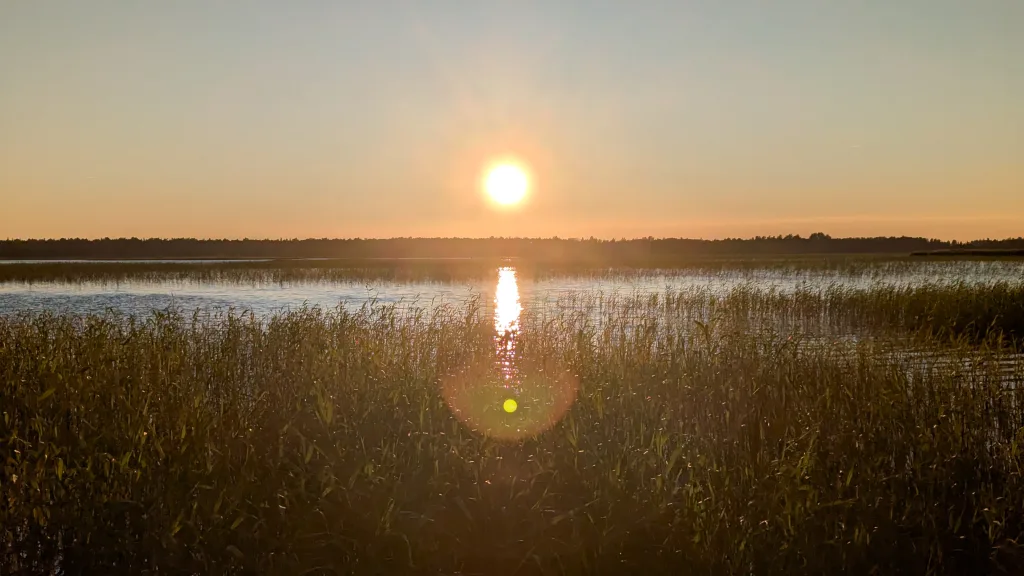
    With the decision made, we left Tรตstamaa and headed north inland toward Lake Tรตhela, eventually rolling into the Tรตhela Jรคrve Puhkekรผla campsite.

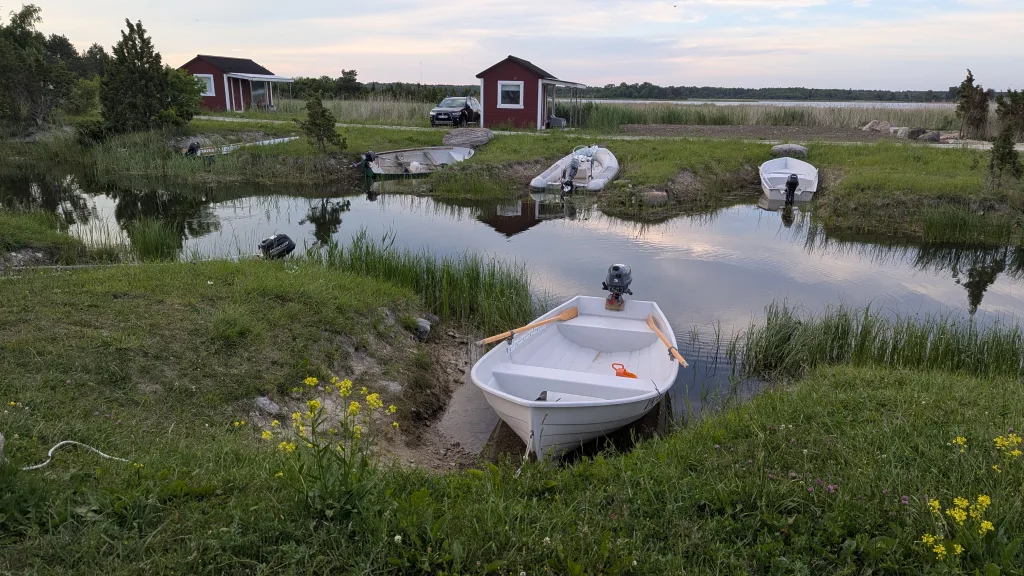
    When we checked in, the campsite owner informed us that they do have a shower on site, but casually added that “there is a lake.” With the lake being right in front of us, going for a swim right after we arrived became an easy choice.

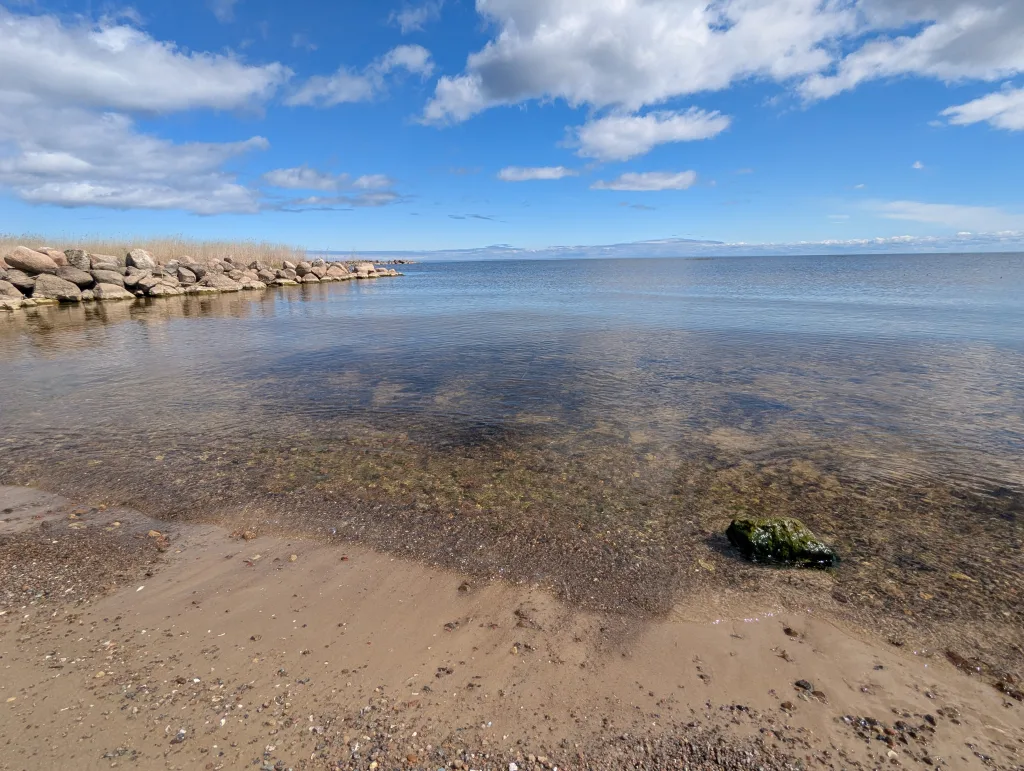
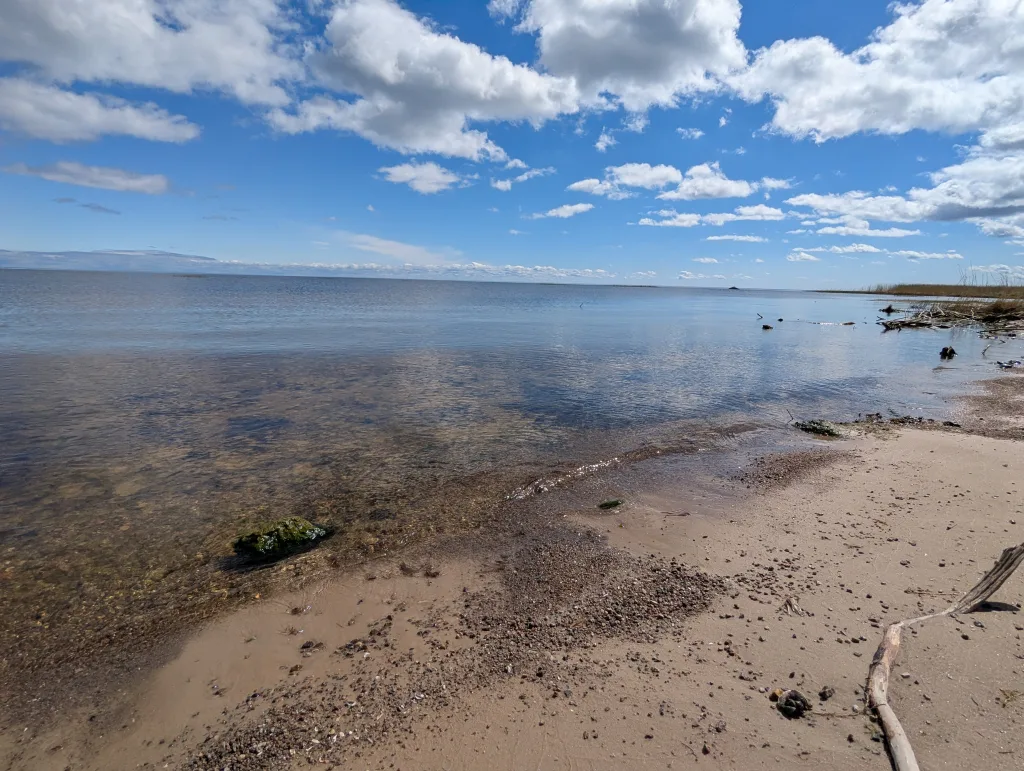
    The shore was completely choked with thick reeds, so I swam out quite far just to get clear of the vegetation and see the open water. Interestingly, even out past the reed line, I realized I could still stand completely upright. The lake is so shallow that “standing” just meant planting your feet firmly on the thick fields of underwater lake plants growing along the bottom.

    Despite still feeling down about cutting the tour short, the swim and the quiet campsite helped clear my head.


    Loading this activity contacts Strava, which receives your IP address and which page you are on, and sets cookies.

    Open on Strava

    Strava privacy policy

  • Bike Tour Day 5

    Bike Tour Day 5

    Day 5 started perfectly with an amazing breakfast buffet. It featured a great spread of local Estonian delicacies, including kiluvรตileib (traditional open-faced sprats sandwiches on dark rye bread with boiled egg), fresh vegetables, local cheeses, and cold meats.

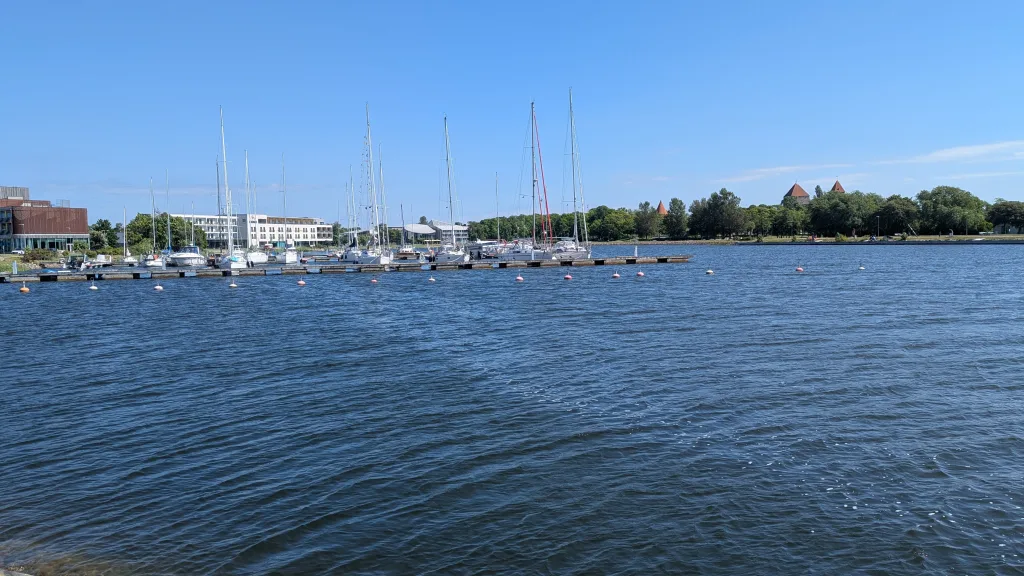
    โ€‹Once we filled up, we set off toward our first destination: Kuressaare. By the time we entered the city, we were close to the harbor and decided to pull over for a quick snack break at a restaurant called Resto HAFEN. We arrived about 30 minutes before their official noon opening, but since there were already people around, I asked the staff if I could grab a coffee to top up my caffeine levels.

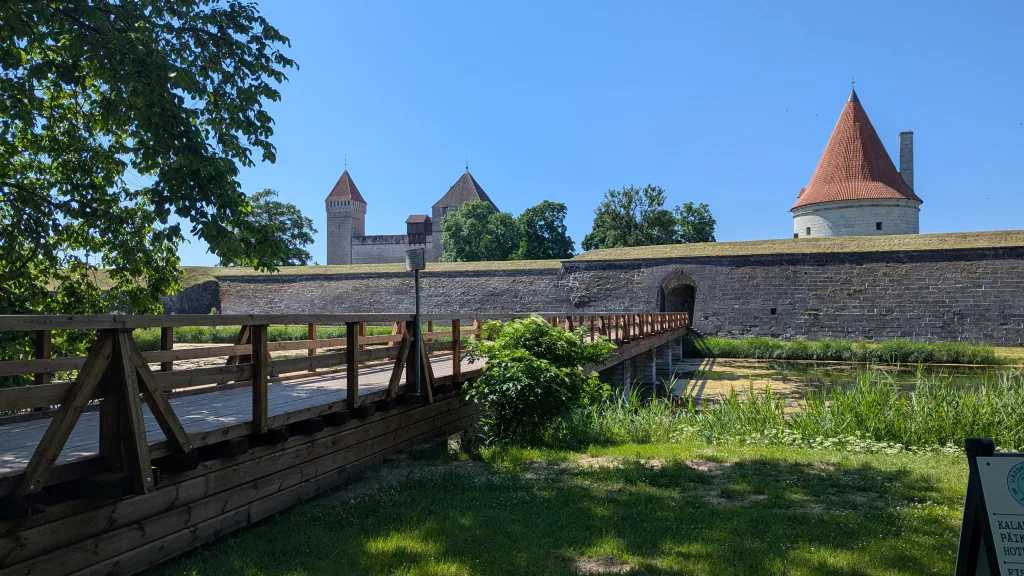
    From the harbor, we rode through the quiet park surrounding Kuressaare Castle.

    Kuressaare Episcopal Castle is one of the best-preserved medieval fortifications in the Baltic region, built entirely out of local dolomite stone by the Teutonic Order starting in the late 14th century. Its late-Gothic architecture and sprawling moat system are incredibly impressive up close.

    โ€‹We continued from the castle grounds straight into the city center. It turned out we had timed our visit perfectly with a local market day, complete by live outdoor performances. We stopped for a while to watch a young boy singing on stage and a group of traditional dancers performing.

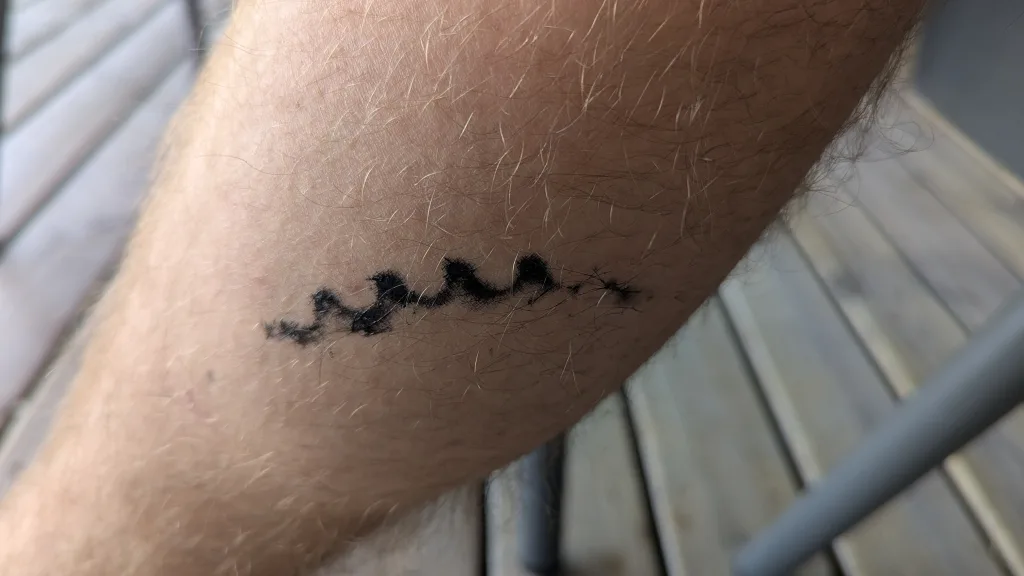
    โ€‹It was around this time that I noticed a side-effect of my improvised bike maintenance from the previous evening. While my oil-flushing trick had successfully cleaned out the inner rollers of the chain, the outside of the big chain ring was still covered in a thick, black oily residue. Sure enough, I accidentally brushed my calf against the drivetrain and walked away with a distinct grease “tattoo” on my leg.

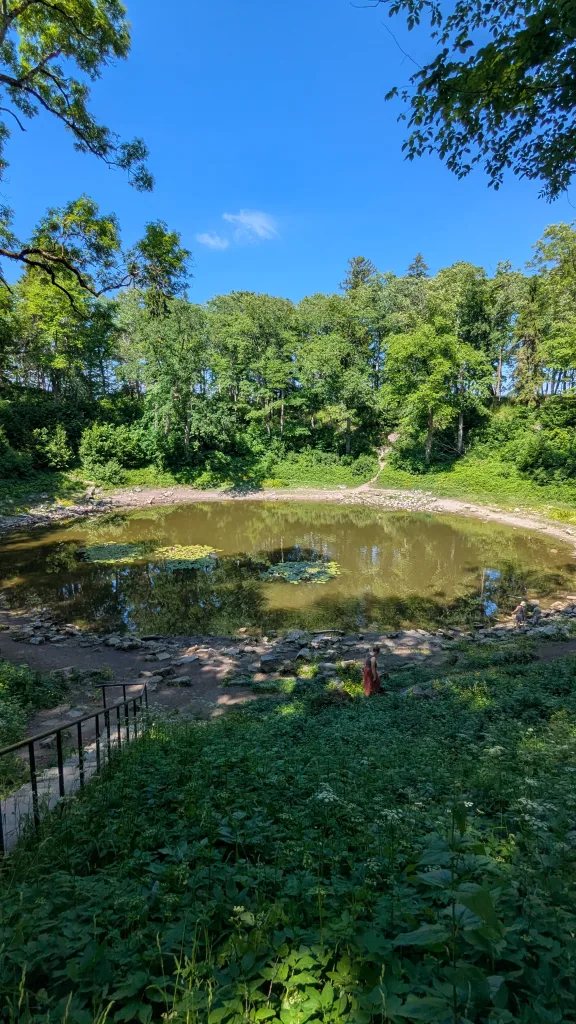
    โ€‹Leaving Kuressaare behind, we made our way toward the famous Kaali Crater.

    The Kaali main crater is a remarkable geological site formed by a meteorite impact roughly 3,000 to 4,000 years ago. Itโ€™s the most impressive of a cluster of nine craters in the area, measuring about 110 meters across, and was historically treated as a sacred lake.

    Right as we arrived at the crater, we ran into the same elderly cycling couple we had met on Day 1 and Day 2. It was a massive surprise given how tiny the window of time is to cross paths at a specific landmark, so we stood around and had a great chat. Afterward, we walked down to see the crater lake itself and unpacked our lunch to enjoy the unique scenery. Unfortunately, a tour bus arrived shortly after. The group was so loud and obnoxious while taking photos that it completely killed the peaceful vibe of the place, so we packed up our things and left.

    At this point, the physical toll of the trip was catching up to us. With Rikeโ€™s knee injury and my worsening metatarsal foot pain, we wanted to cut down the remaining part of the day’s planned 110-kilometer route. We looked into options, but long-distance coaches like Lux Express only accept bicycles if you board at major bus stations, not intermediate rural stops, so they were out. Rike discovered a local regional bus route that followed our direction, but it was a total gamble whether the driver would have space for a single bicycle, let alone two loaded rigs.

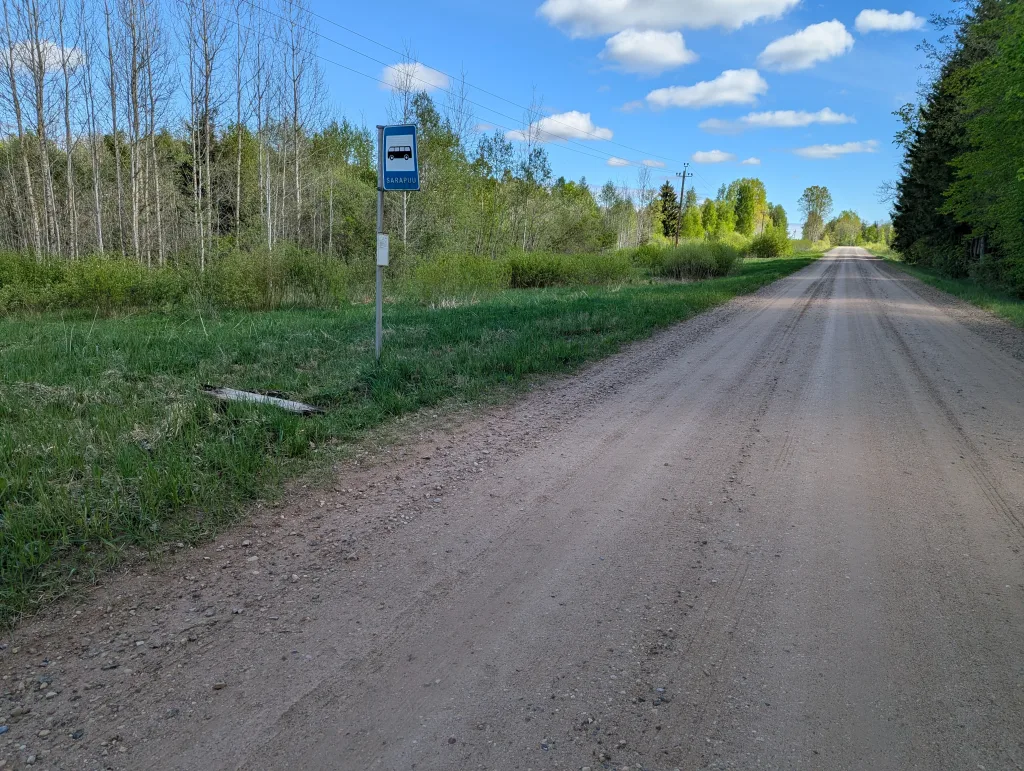
    The bus wasnโ€™t due in Kaali for another hour and a half, so we decided to keep pedaling to cover some distance just in case the plan failed. We covered about 20-30 kilometers before pulling over at a small rural bus shelter with 10 minutes to spare before the arrival time.

    When the bus pulled up, Rike went to the door to explain to the driver that we wanted to board with our bikes. The driver was clearly stressed, responding that we needed to hurry because his schedule had incredibly tight time margins. In the frantic rush to unclip our heavy gear and lift the bikes, the logistics fell apart. Realizing we wouldn’t make it on without delaying the bus, we had to abort the attempt and watch it drive off. To top it off, during the frantic scramble, Rike also managed to brush against my bike, getting her own matching grease tattoo from the chain.

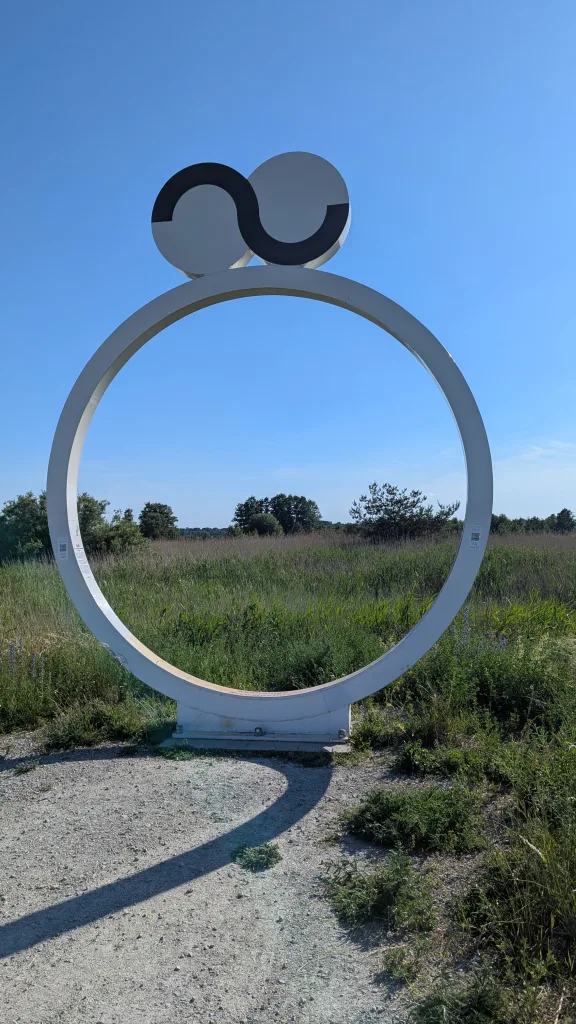
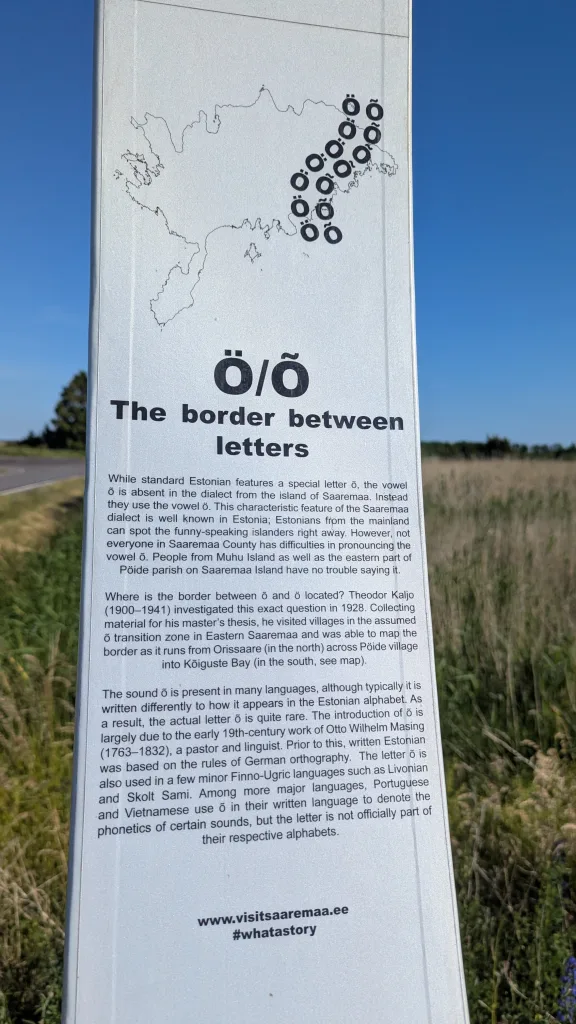
    โ€‹With no other options, we forced ourselves back into the saddle. We had already knocked out a chunk of the distance, so we just focused on keeping the pedals turning. After what felt like an eternity on the road, we finally reached the famous ร–/ร• dialect border sign.

    This landmark marks a unique linguistic boundary on the island. People from eastern Saaremaa and Muhu island use the distinct Estonian vowel “ร•”, while western islanders historically replace it entirely with the softer “ร–”. The monument is a fun local milestone for travelers crossing the island.

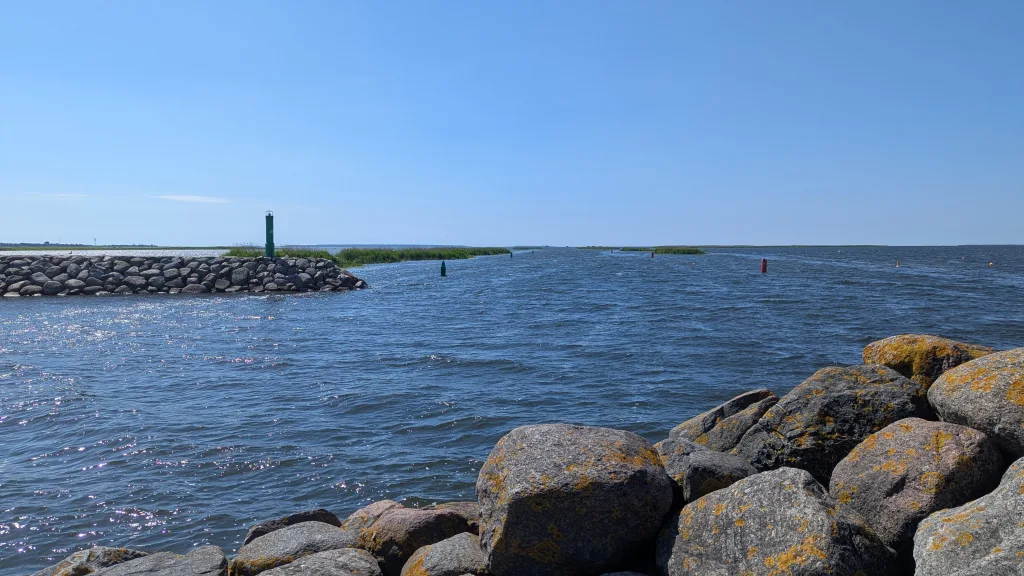
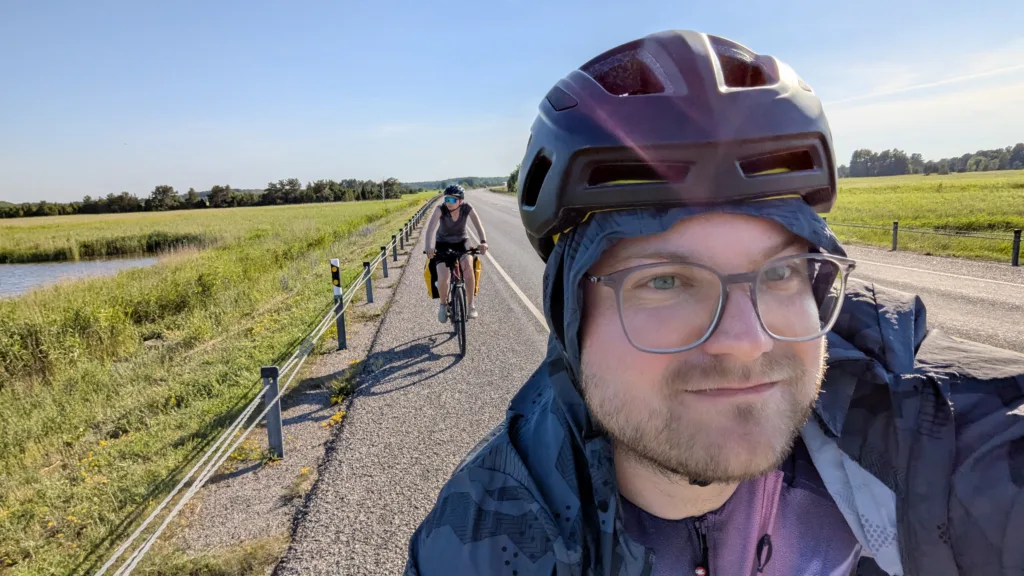
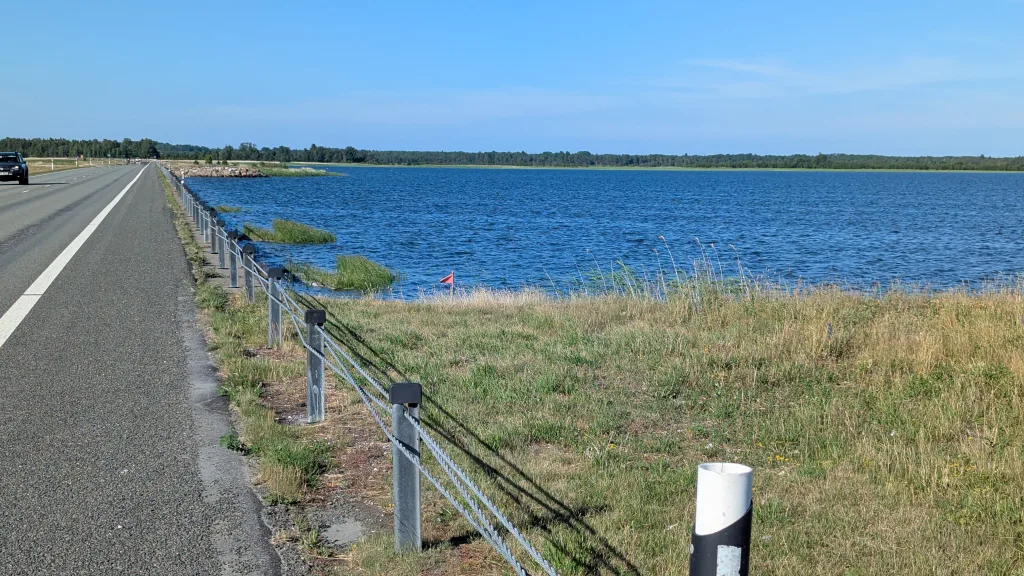
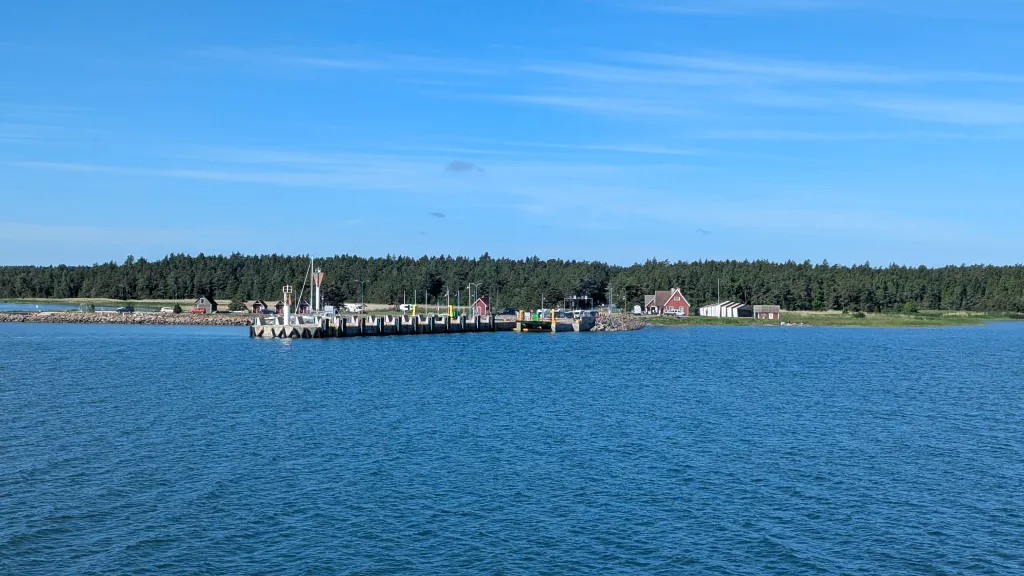
    Passing the border, we crossed the causeway off Saaremaa and entered Muhu Island. Rike was completely exhausted by this point, but we pushed through the final stretch to our accommodation at Lรตunaranna Harbour.

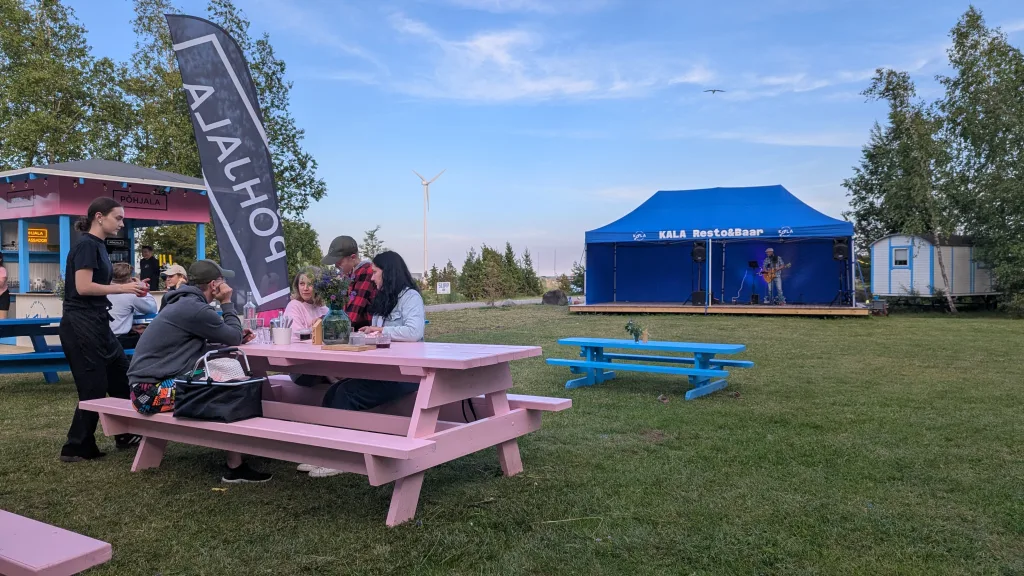
    When we rolled in, we were surprised to find a local party in full swing down at the port. They had live music going onโ€”a single musician playing traditional Estonian music on the guitar accompanied by background backing tracks. It created an amazing atmosphere that immediately turned the mood around after a hard day on the road.

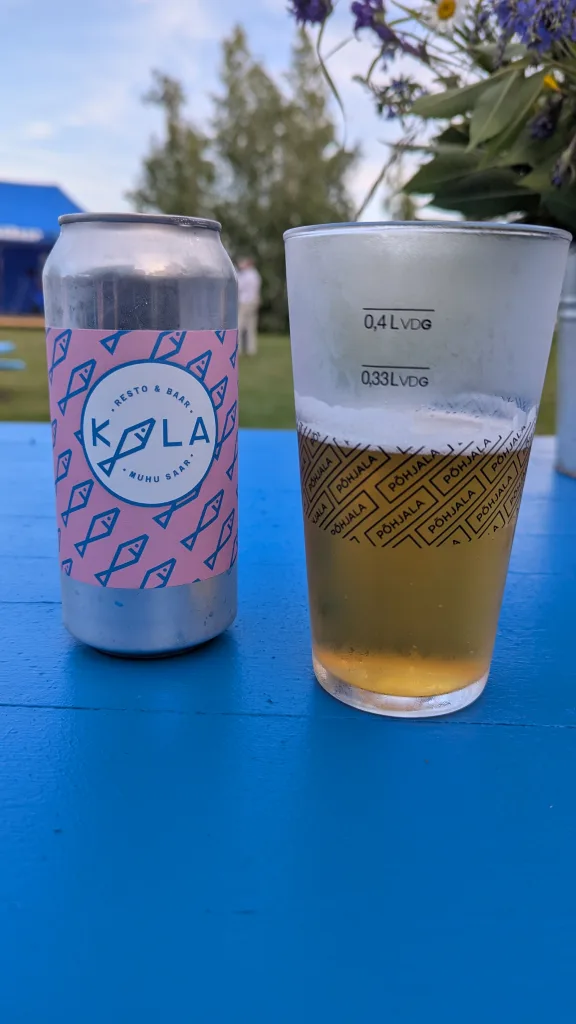
    We ordered dinner at the harbor restaurant. Looking at the English menu, I spotted an item listed as “baby squid” and ordered it immediately. The Estonian text read “beebi tint”. I found out later to my mild disappointment that tint actually translates to European smeltโ€”a small local fishโ€”not squid at all. It arrived crispy and fried like finger food. Regardless of the translation mix-up, the food was delicious, and the bar even served an excellent custom-branded house beer brewed by Pรตhjala. It was a solid end to a long, unpredictable day.


    Loading this activity contacts Strava, which receives your IP address and which page you are on, and sets cookies.

    Open on Strava

    Strava privacy policy

  • Bike Tour Day 4

    Bike Tour Day 4

    We had to wake up early on Day 4 because there are only three ferries a day from Hiiumaa to Saaremaa. We were aiming for the first one at 8:15 AM, which meant covering about 10 kilometers to the port. Because of her knee, Rike mentioned her maximum speed would be around 15 km/h, so she left about 15 minutes early while I was still busy packing. Once my bags were on the bike, I rode a bit faster to catch up with her, and we made it to the ferry terminal on time.

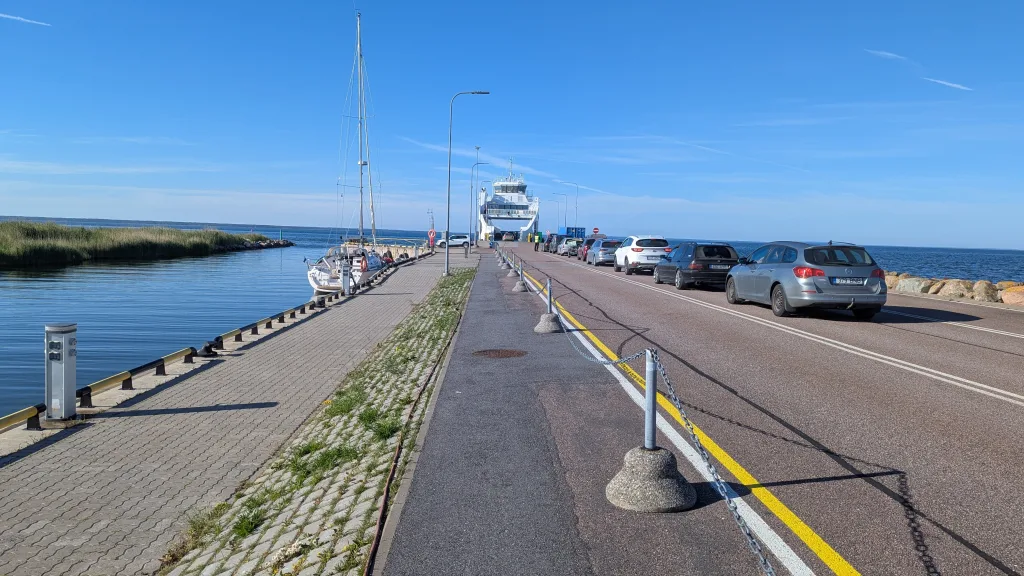
    A few minutes after the boat departed, we watched another car pull up to the closed terminal gate. They were just a few minutes late and now had to wait hours for the next crossing. We grabbed our morning coffee on board and enjoyed the trip over to Saaremaa.

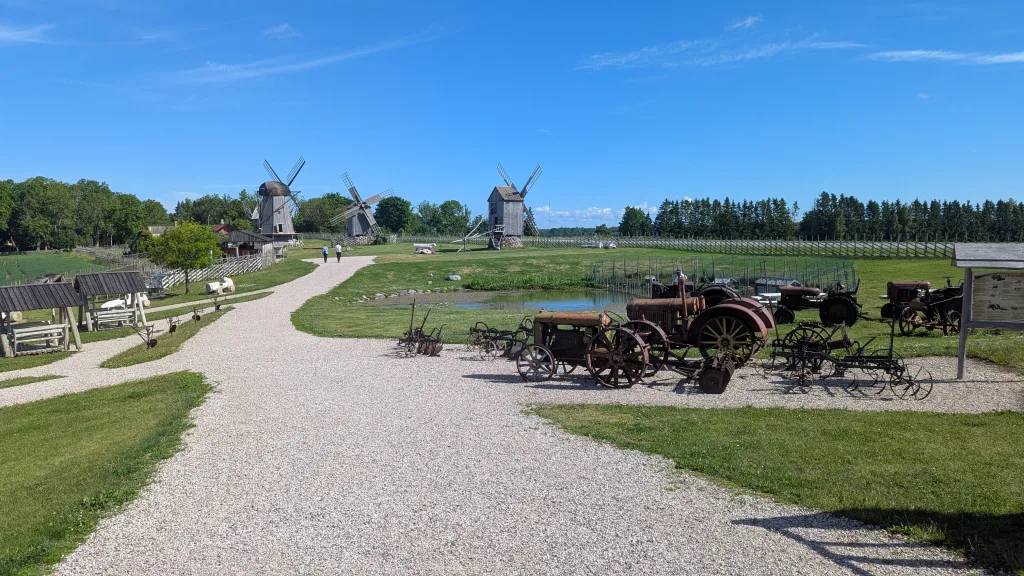
    After disembarking at Triigi, we headed straight to the Angla Windmill Park.

    Angla is home to the only windmill hill on Saaremaa that has preserved its original layout. Out of the five windmills standing here, four are traditional Estonian trestle windmillsโ€”wooden structures built on a central axis so the entire building can be rotated into the wind. The fifth is a larger, stone-based Dutch-style windmill built in 1927.

    We walked around the grounds to look at the collection of ancient farm machinery, including a Fordson tractor from 1917, and climbed inside the two windmills that are open to the public to see the wooden internal gear systems.

    While walking around the park, I noticed that my foot was starting to hurt. The day before, when climbing down the steep steps of the Kรตpu lighthouse, I had felt a sharp pain, but didn’t think much of it. Walking around Angla in stiff, unpadded cycling shoes made it clear that an old metatarsal injury from running was flaring up again.

    We stopped at the on-site cafรฉ for pancakes and coffee before setting off through the Saaremaa countryside.

    Unlike the day before, where I just stopped at a random bus shelter for lunch, we looked at the map and found a proper spot directly on our route: Kaarma Church.

    Dedicated to Saints Peter and Paul, Kaarma Church was built in the late 13th century (around 1261) right next to an ancient Estonian hill fort. It is famous for its unique, high-vaulted two-aisled nave and incredibly detailed medieval stone carvings near the altar, which are considered some of the finest examples of early Gothic art in Estonia.

    After visiting the quiet interior, we sat in the shade nearby to eat our packed lunch. We spent the rest of the afternoon cycling through the countryside until we reached Salme. We originally intended to buy groceries for dinner at the local store, but we saw a place called Viking Burger right across the street. We opted for convenience and got a Jalapeรฑo burger with fries instead.

    From Salme, it was a short 7-kilometer stretch to our accommodation: Ansekรผla Teelistemaja, which features small, round wooden cabins to sleep in. Since we arrived fairly early, we paid a โ‚ฌ25 surcharge to use the sauna. The owner prepared it for us and fired it up until it reached a solid 100ยฐC.

    While waiting for the sauna to heat up, I worked on my bike. The chain hadn’t been running smoothly since the deep sand on Day 1. My initial cleanup with water, dish soap, and paper towels helped, but a lot of grime and fine sand had built up over the last few days. Since I didn’t have any proper degreaser with me, I decided to flush the chain with oil.

    First, I scraped off the sticky mixture of oil and sand that had collected on the components. Then, after three rounds of flushing the links with fresh oil and wiping it down, the chain was running much smoother.

    By evening, my foot injury was worsening, but the hot sauna was a great way to end a long day of travel.


    Loading this activity contacts Strava, which receives your IP address and which page you are on, and sets cookies.

    Open on Strava

    Strava privacy policy

  • Bike Tour Day 3

    Bike Tour Day 3

    Waking up on Hiiumaa Island, we had a serious tactical discussion ahead of us. My planned loop for the day was around 130 kilometers because I wanted to see the Kรตpu and Ristna lighthouses. While that is a standard touring distance for me, it would have been absolute self-sabotage for Rike with her knee injury.

    Since our next accommodation was down near Muda, we made the sensible call to divide and conquer. Rike took a much shorter route to preserve her joints, while I set off on the long loop around the island.

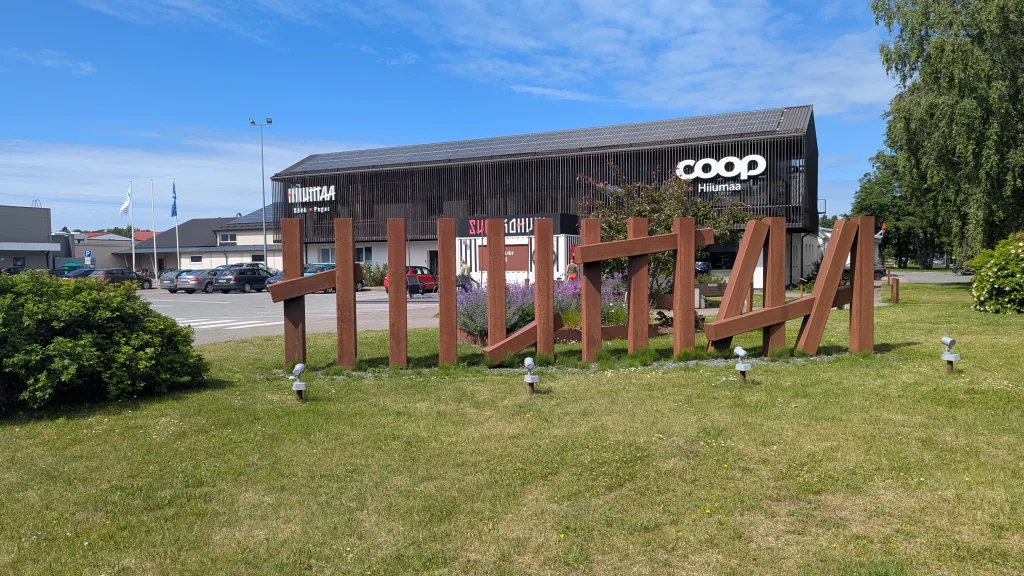
    My first target was Kรคrdla, the main capital of the island. I rolled into town, checked off the obligatory photo-op at the big Hiiumaa sign, and then tried to head to the beach. We had a marker on our map to check out the coast here, but when I arrived, a large hotel completely blocked the entire view. You couldnโ€™t even see the water.

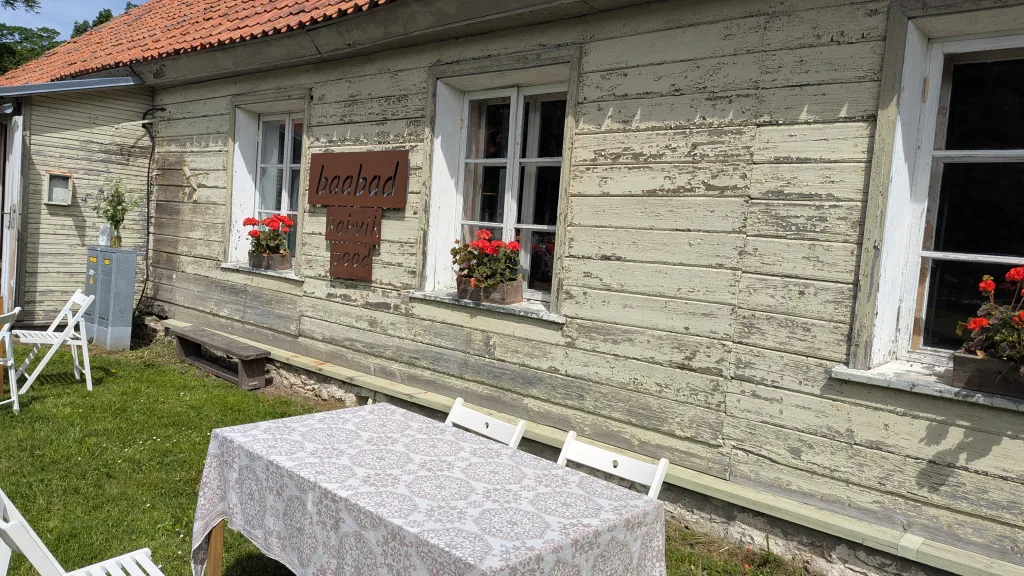
    โ€‹Frustrated by the anti-climactic beach, I turned back toward town and spotted a cozy cafรฉ called Baabad. I stopped for a coffee and ended up sitting next to a friendly Finnish couple. They were traveling using a clever hybrid methodโ€”driving a car but unloading their bikes to tour specific sections of the island. We ended up chatting about random travel topics for a solid hour, which was a great spontaneous break.

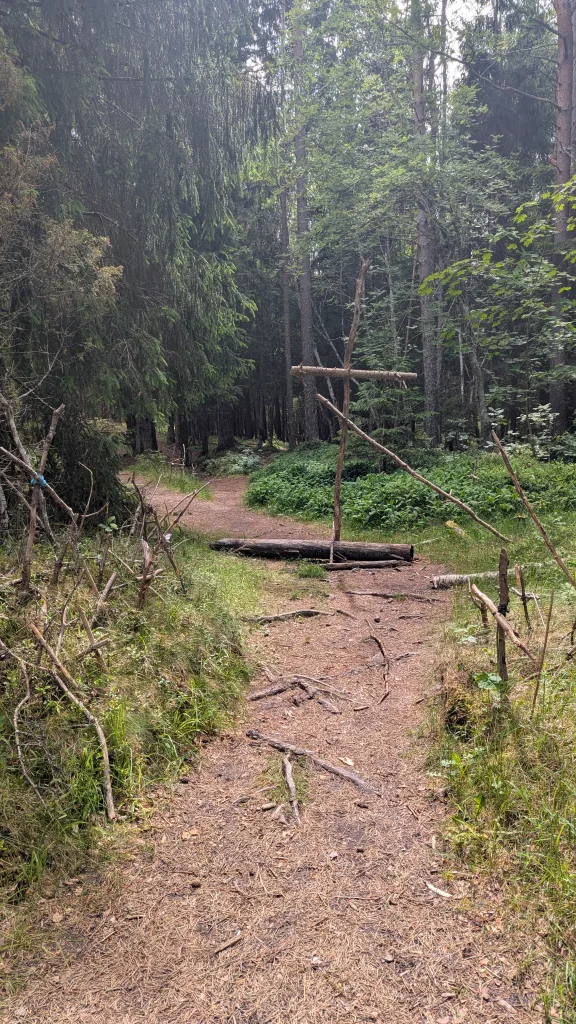
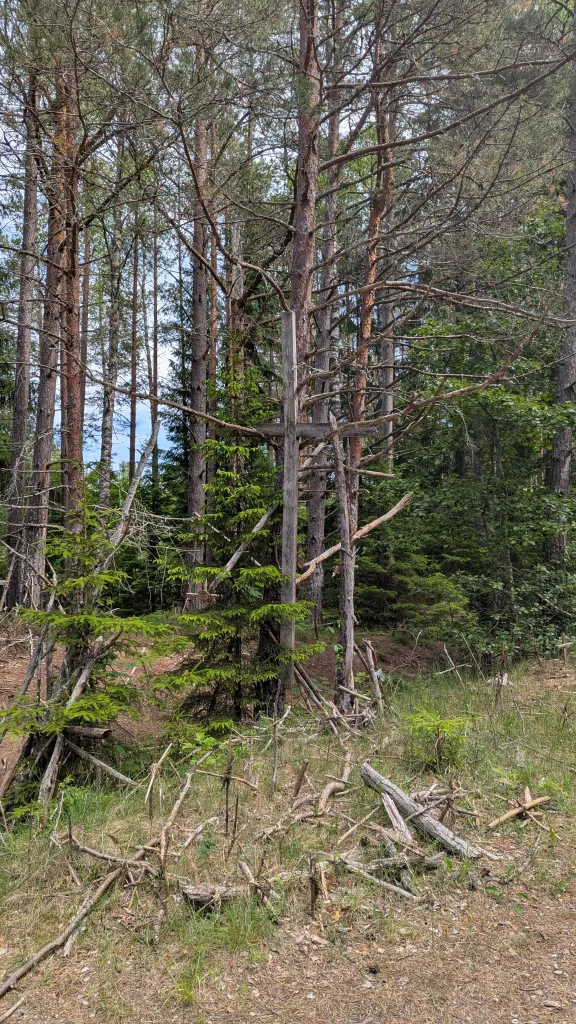
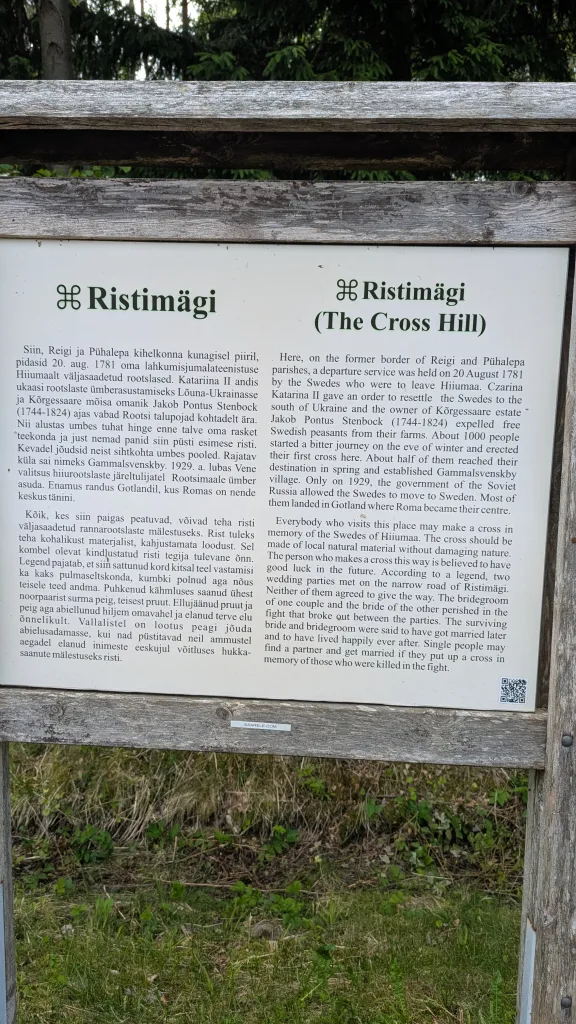
    Back in the saddle, my next waypoint was Ristimรคgi (the Hill of Crosses).

    โ€‹Local History: According to lore, this forest clearing is where the Swedish inhabitants of Hiiumaa were forced to leave the island in 1781, and they placed crosses here to say goodbye. Today, travelers leave crosses made of twigs and pine needles for good luck.

    Honestly? It didnโ€™t really do it for me. The site did not feel very impressive or special to me, so I didn’t linger long before pushing on.

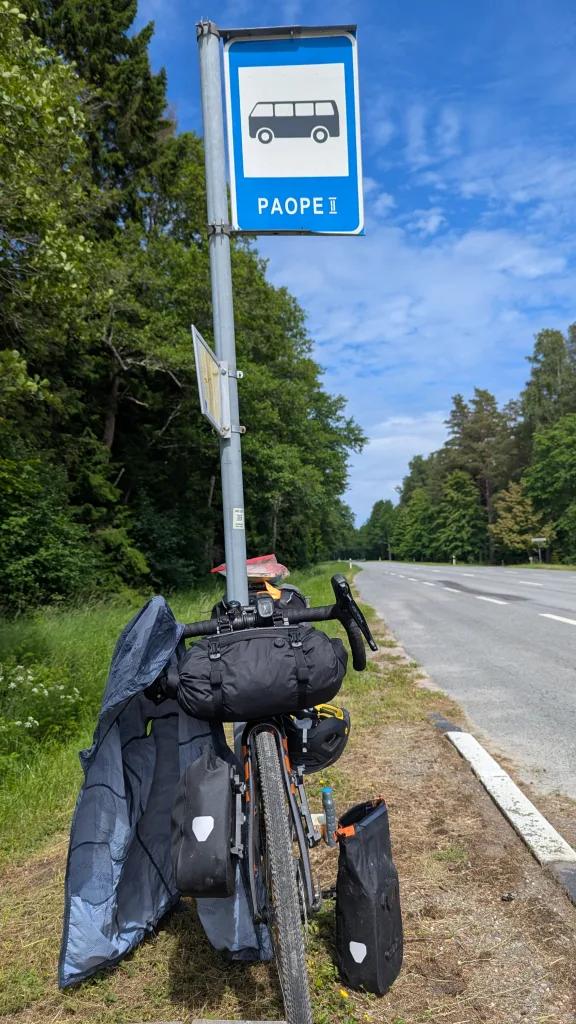
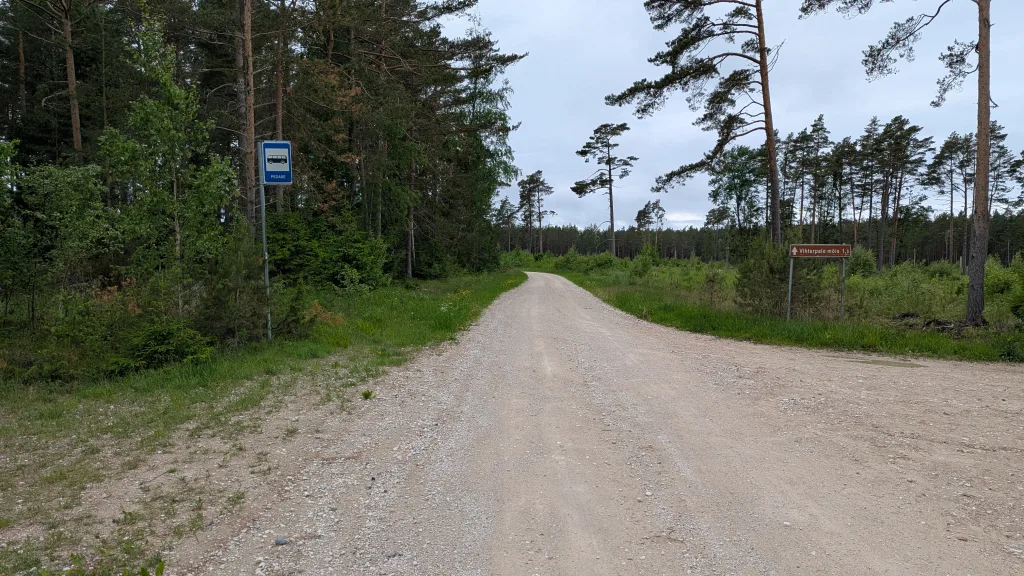
    What followed was a brutal, empty stretch of road. The distance to the next major landmark was massive, and midway through the forest, I suddenly got really hungry. With no towns in sight, I scouted the roadside and decided a random, empty bus stop was my five-star restaurant for the afternoon. I pulled over, inhaled a ready-made noodle salad and a few cereal bars, and got back to business.

    โ€‹The next obstacle was a grinding headwind that fought me the entire way out to the Kรตpu Lighthouse.

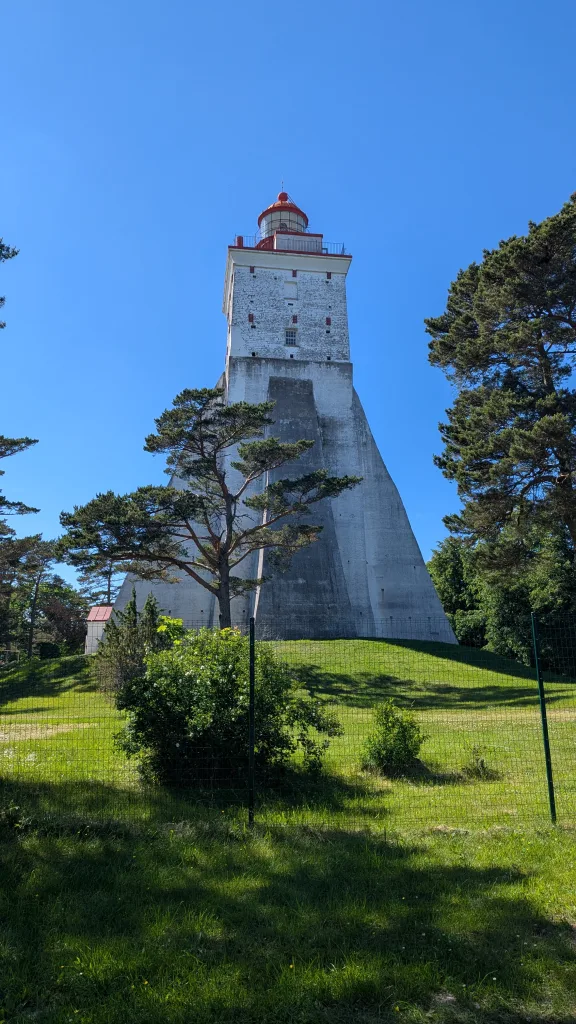
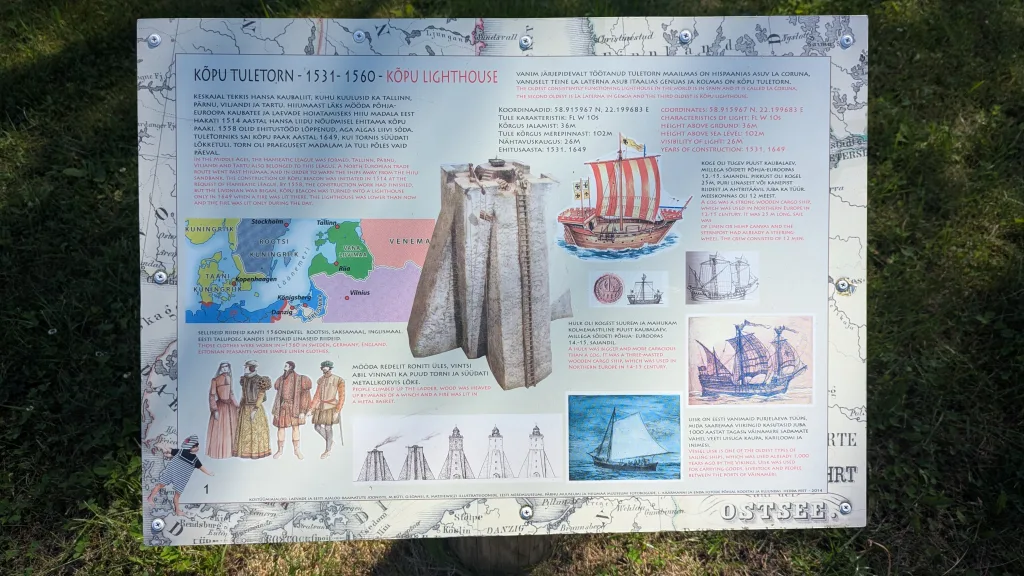
    โ€‹Kรตpu is an absolute beast of a structure. It is one of the oldest operational lighthouses in the entire world, built on the island’s highest point back in 1531 to warn ships away from the notorious Hiiu Shoal. Its massive, heavy stone buttresses look more like a medieval fortress than a traditional tower.

    I took a break here, treated myself to another coffee, and then hammered out the final miles to the westernmost tip of the peninsula to see Ristna Lighthouse.

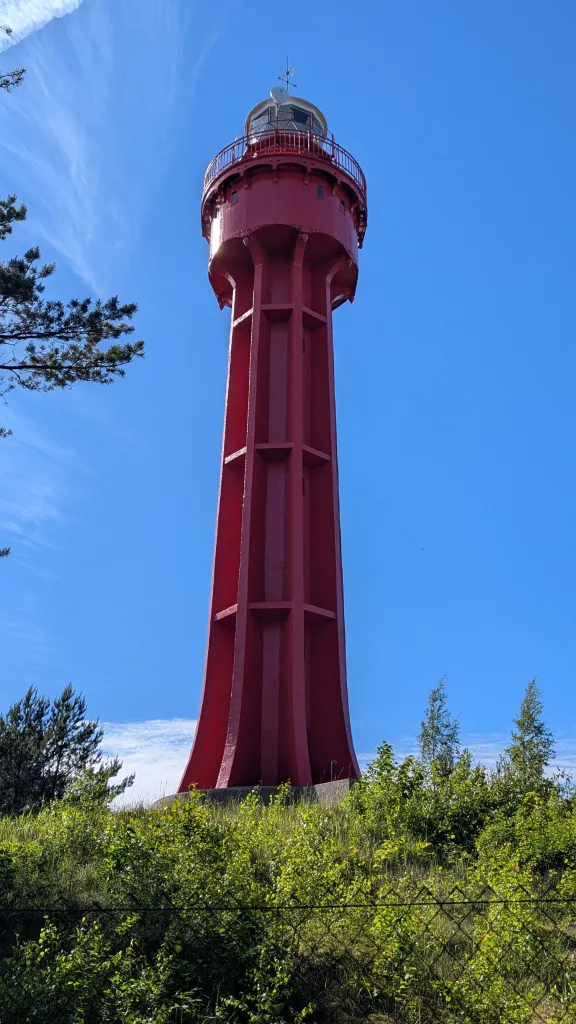
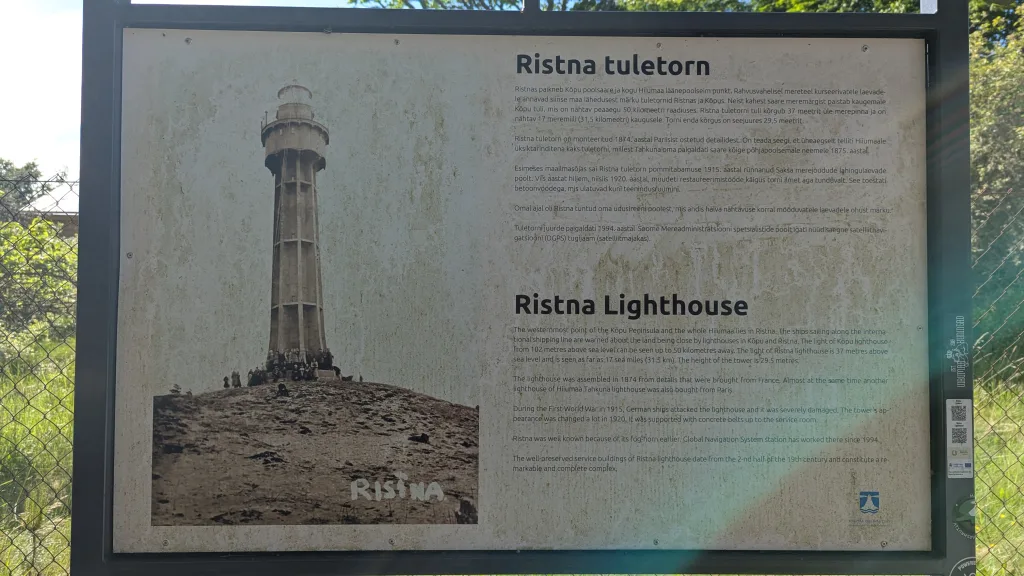
    Ristna is completely different from Kรตpuโ€”a striking, bright red iron structure ordered from France in the late 1800s. Sadly, it was closed when I arrived, so I could only admire the metalwork from the ground.

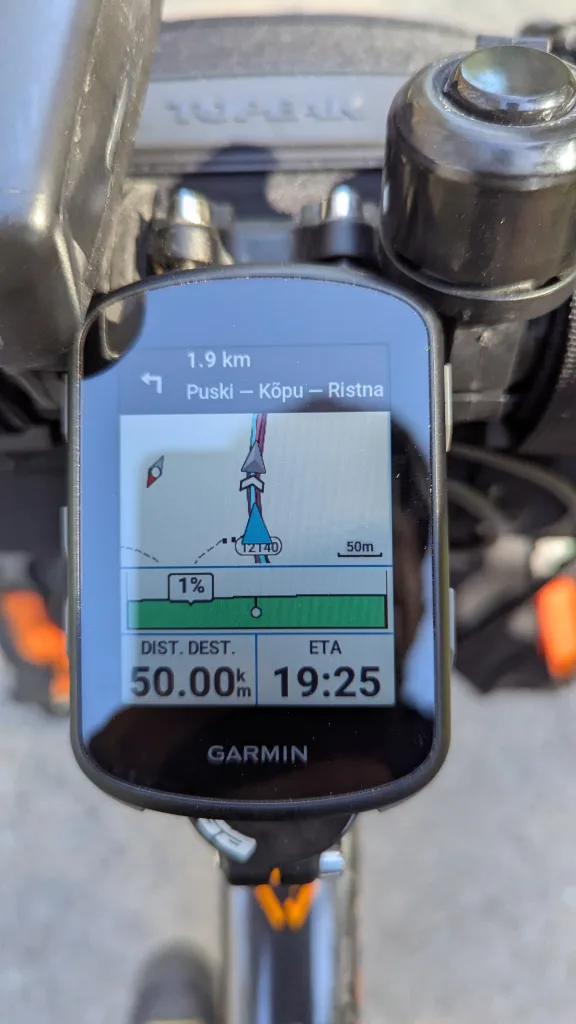
    With the sightseeing officially done, I had one final challenge left: 50 kilometers of pure, uninterrupted cycling to get down to our accommodation. No more distractions, to get to our accomodation.

    This was one of those moments where I was incredibly glad to have my Garmin Edge on the handlebars. Being able to glance down and see exactly how many kilometers remain, and tracking a live, accurate ETA, make a massive psychological difference. Instead of constantly wondering where the destination is, I could just pace myself perfectly.

    Meanwhile, Rike had a stellar solo day of her own. She didn’t just hide away to rest the knee. She took a beautiful detour onto Kassari Island, navigating the scenic causeways, finding a quiet spot in the sun to read her book, and thoroughly enjoying the relaxed pace.

    I checked in with Rike to give her my approximate arrival time. By the time I finally rolled into our place near Muda, exhausted and completely spent after 130 kilometers, she already had dinner cooking on the stove.

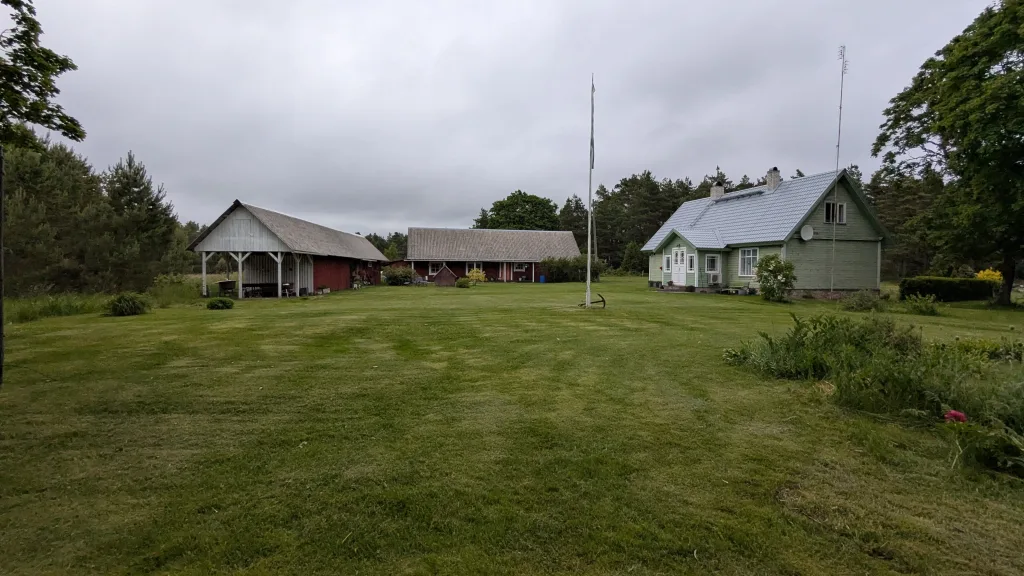
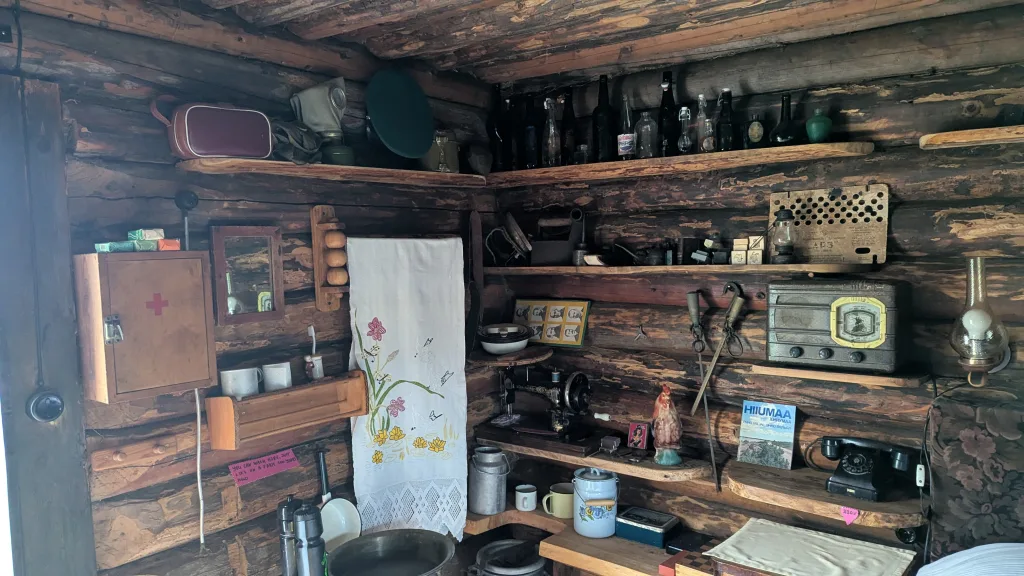
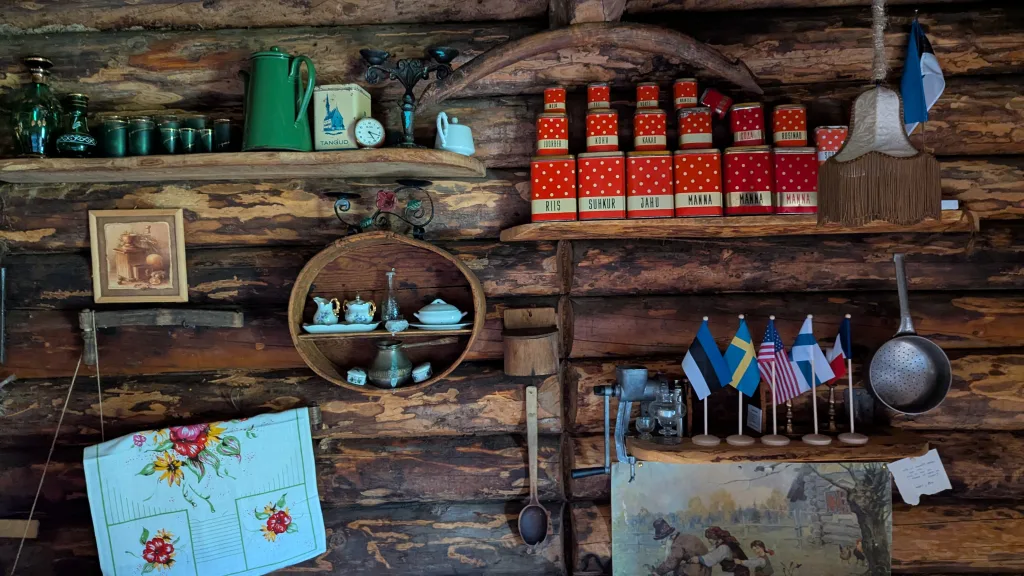
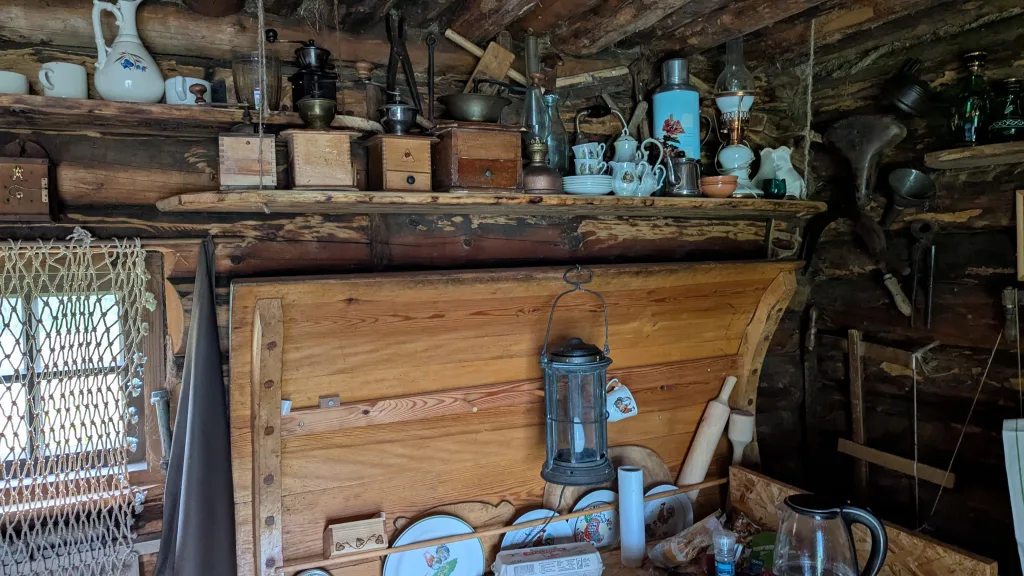
    Our accommodation was incredibly uniqueโ€”an old shed that had been converted for guests. The interior design philosophy was clearly: “What vintage items do we have lying around? Let’s hang all of them on the wall.” It was beautifully eclectic, cozy, and full of character. There is truly nothing better than finishing a long day, eating a hot meal, and relaxing in a quirky island barn.


    Loading this activity contacts Strava, which receives your IP address and which page you are on, and sets cookies.

    Open on Strava

    Strava privacy policy

  • Bike Tour Day 2

    Bike Tour Day 2

    If Day 1 is about testing the gear, Day 2 is usually about testing your patience.

    We left Kallaste Turismitalu ready to put some solid kilometers behind us. I felt good and the pace was steady. Then, about 2 or 3 kilometers down the road, I reached up and realized my head felt remarkably light. I had left my helmet back at the campsite. There is nothing quite like the crushing blow to your pride when you have to turn around and do a 5-kilometer round-trip “U-turn of shame” right at the start of the morning.

    Helmet successfully retrieved, we got back on track, but the roads decided to test us next. Our route took us down several stretches marked as regular public roads on the map, which turned out to be loose, vibrating gravel. To make things better, we hit a massive section of roadworks where the makeshift detour road was in an incredibly rough, bone-rattling state.

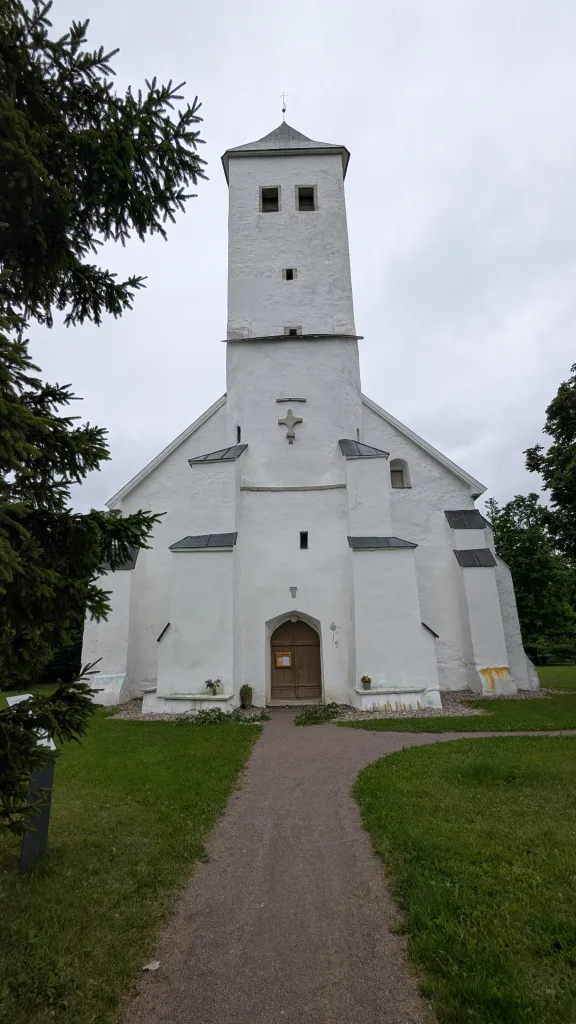
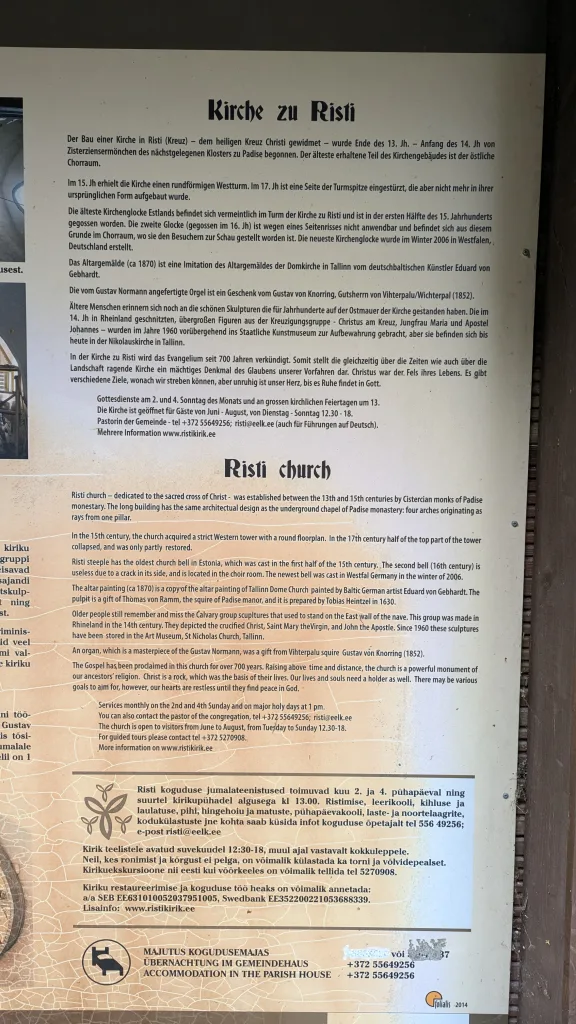
    Needing a break from the vibration, we took a brief detour and stumbled upon Risti Church.

    Risti Church (the Church of the Cross) is one of the more unique looking historic churches in the region, known for its distinct, somewhat asymmetrical tower that was actually built without proper foundations back in the day.

    It was a peaceful, quiet spot to escape the noise of the construction.

    From there, we pushed toward Keibu Beach, looking forward to some coastal views. The Baltic Sea had other plans. The wind that day was absolutely relentlessโ€”blowing a howling gale off the water that turned the ride into a miserable fight for every meter. We quickly scrapped our beach-lounging plans and pivoted inland toward Nรตva. Exhausted and wind-blown, we found shelter at Mรตisa kohvik (the Manor Cafรฉ), which served up a fantastic lunch that completely revived our spirits.

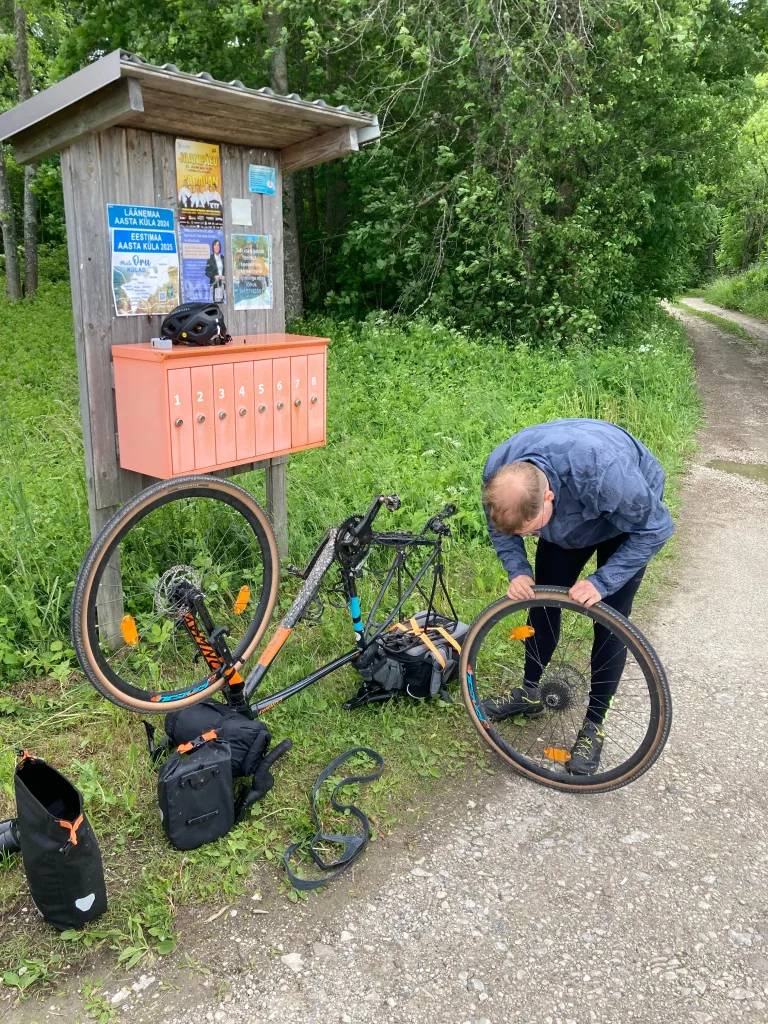
    Then, the tour threw us another mechanical curveball between Nรตva and Haapsalu: my front tire went entirely flat. When I pulled the tube to patch it, the puncture was surprisingly on the inside facing the rim. I inspected the rim tape thoroughly, but everything looked pristine. The only logical culprit? The Pakri peninsula sand from yesterday. Some fine grit must have snuck inside the rim during my sandbox experiment, slowly grinding away at the tube until it finally let go. Drivetrain sabotage yesterday, a flat tire today. The sand was playing the long game.

    As we continued our push toward Haapsalu, physical reality caught up with us. Rike turned to me and mentioned that one of her knees was starting to flare up with some serious pain. Anyone who rides knows that a rental bike will never fit your geometry perfectly like your own rig back home. We immediately dropped our speed to a maximum of 15km/h and started playing the classic touring guessing game: adjusting the saddle height, shifting it back and forth, trying to find a sweet spot. Unfortunately, the adjustments barely helped. From that point on, Rike was powering through on pure grit.

    By the time we rolled into Haapsalu, Rike needed a pharmacy. Since she had already visited the town a while back, she selflessly sent me off to explore the city solo while she took care of her knee and rested up.

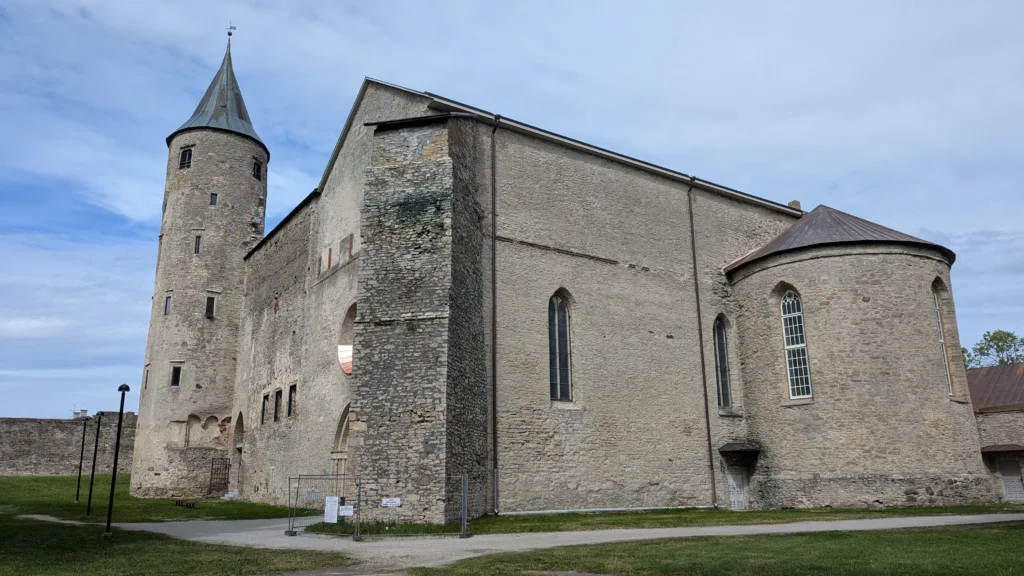
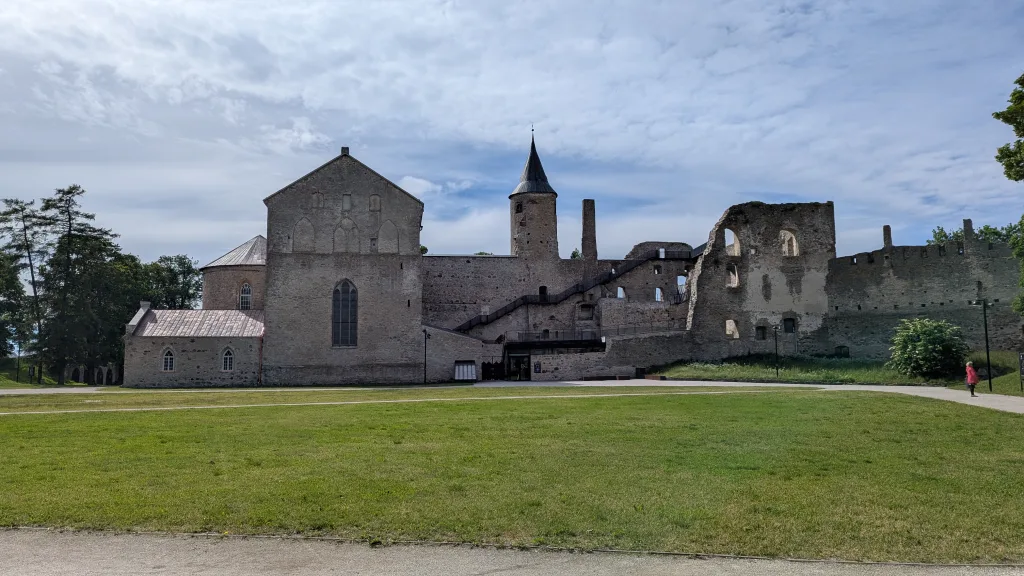
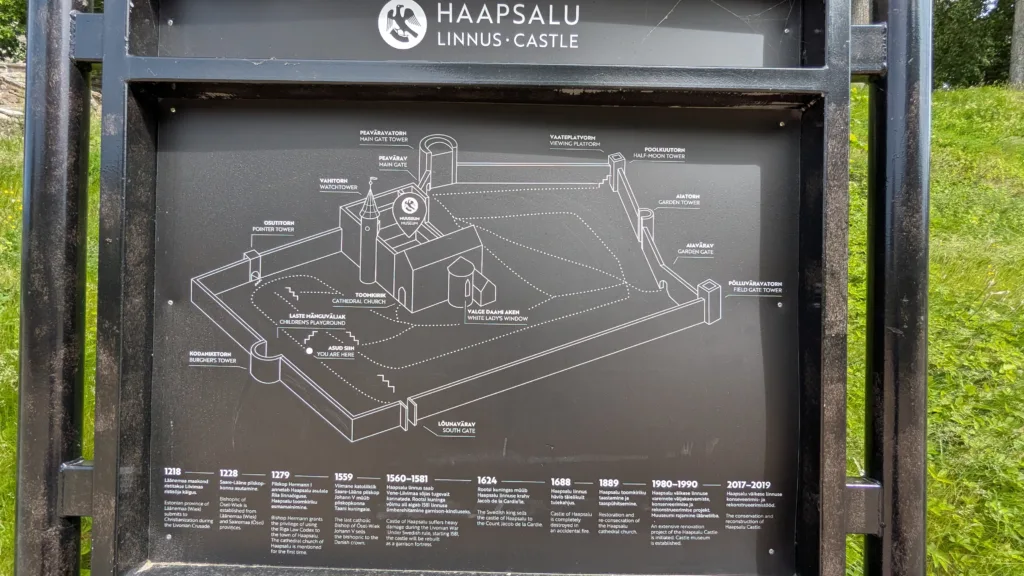
    โ€‹I spent the afternoon playing tourist. I rode along the beautiful, sweeping waterfront promenade and explored the haunting ruins of Haapsalu Castle.

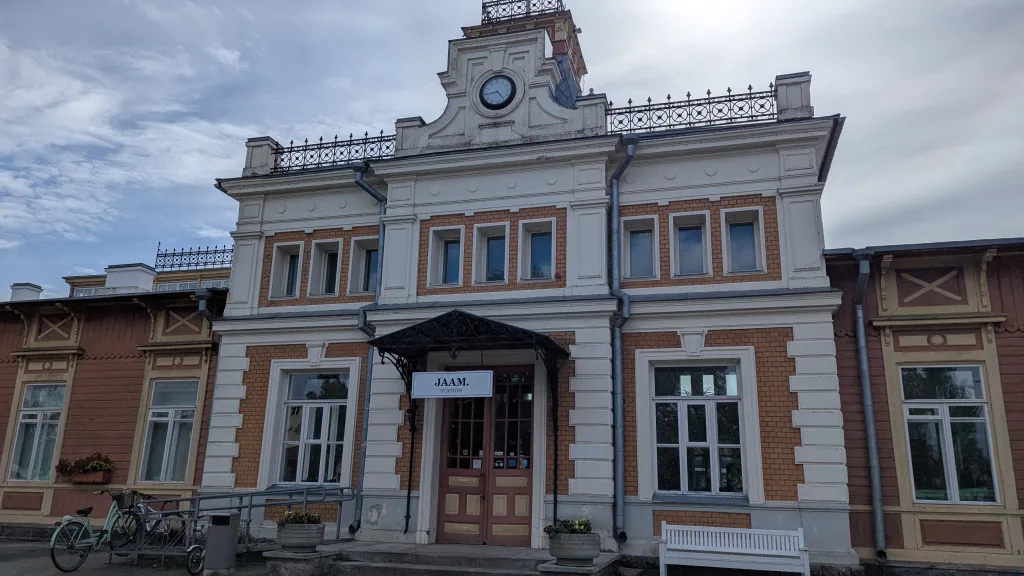
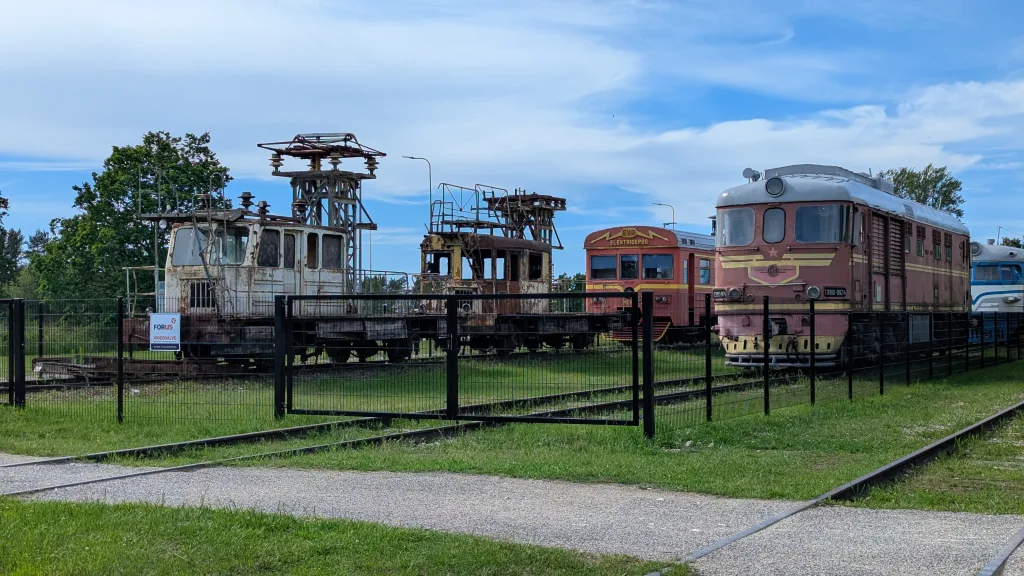
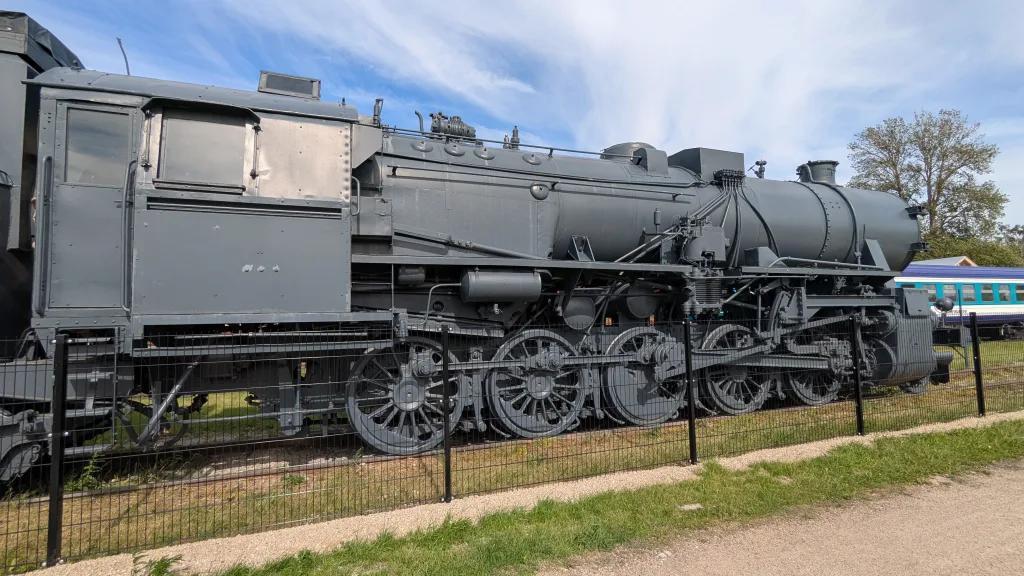
    โ€‹We eventually reunited near the historic Haapsalu Railway Museum.

    The train station looks like an old film set. It features an incredibly long, 216-meter covered wooden platform built in the early 1900s specifically so the Russian Tsar and his family could step off the imperial train into the mud-spa resort town without getting caught in the rain.

    โ€‹With Rike stocked up on pharmacy supplies, we picked up the EuroVelo path and made the final, determined push to the ferry port in Rohukรผla. We caught the evening ferry across the Vรคinameri Sea, watching the mainland fade away as we headed for Hiiumaa island. We rolled off the boat and directly into the hostel right at the Heltermaa port. After a grueling, windy, and mechanically challenged day, that hostel turned out to be surprisingly cozy.


    Loading this activity contacts Strava, which receives your IP address and which page you are on, and sets cookies.

    Open on Strava

    Strava privacy policy

  • Bike Tour Day 1

    Bike Tour Day 1

    There is nothing quite like the chaotic energy of Day 1 of a multi-day bike tour. You spend weeks planning, packing, and obsessing over gear lists, only for reality to hit you the second you wake up.

    Our morning in Tallinn started with a classic logistical oversight: I didn’t have a cup. So, while Rike elegantly ate her yogurt and oats, I sat there drinking hot coffee straight out of my glass French press like a feral mechanic. I managed to pull it off flawlessly without spilling a drop or burning my fingers, even if it looked completely ridiculous to anyone watching. Fuel is fuel.

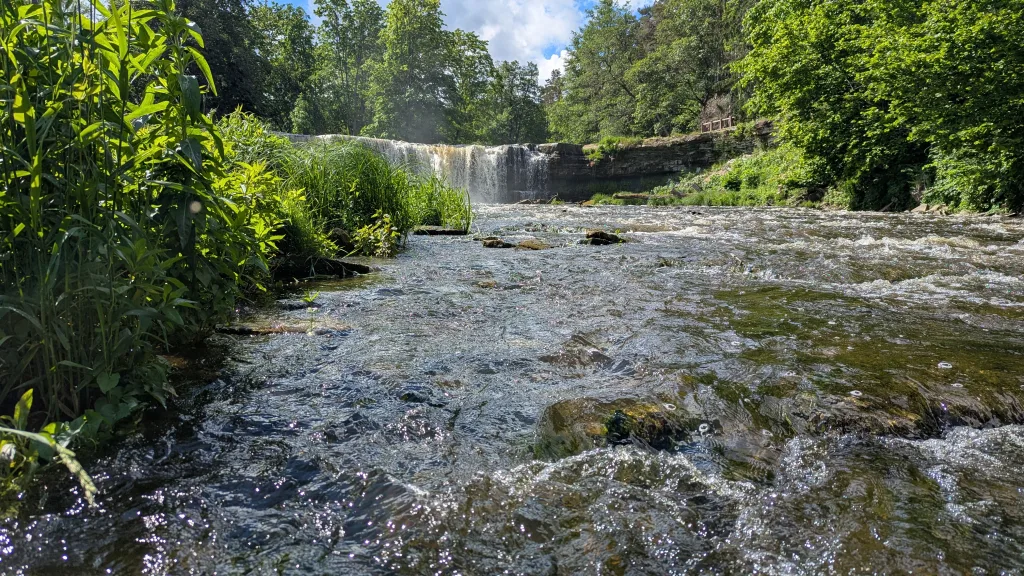
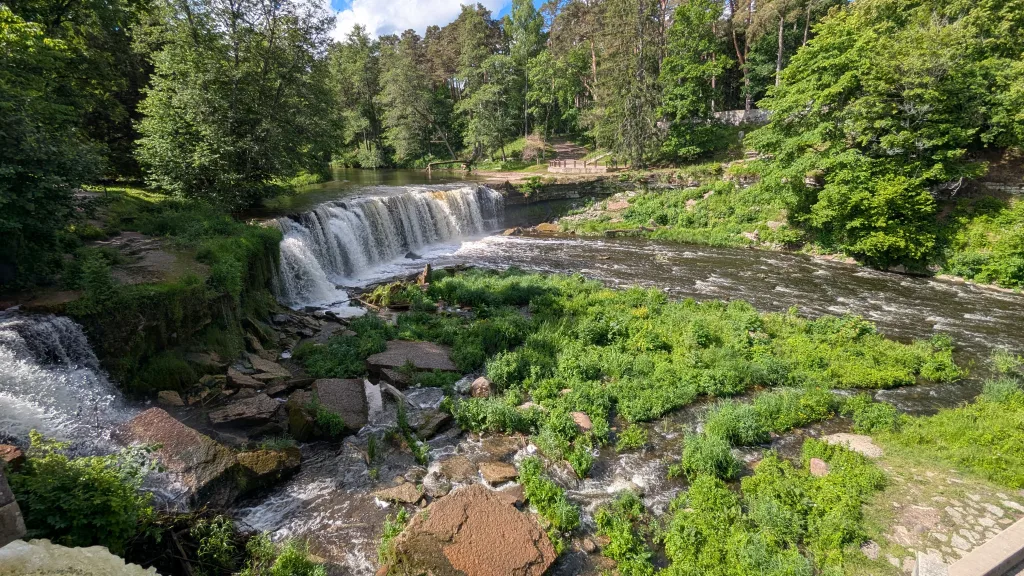
    Once rolling, we broke away from the city grid and tracked the coast. We paused briefly just to watch the waves and let it sink in that the tour had officially started, then pushed on toward the Keila Waterfalls.

    โ€‹Keila is the third largest waterfall in Estonia, spanning about 60 meters wide with a six-meter drop over a beautiful limestone ledge.

    Down at the riverbank beneath the falls, I spotted another bikepacker who had successfully navigated their rig down to the water. Naturally, I took that as an immediate challenge to find a way down myself. Stripping off my cycling shoes to wade into the freezing river water was exactly the kind of mid-morning refreshment the legs needed.

    Then came the road to the Pakri Peninsula.

    โ€‹We had mapped out what looked like a promising string of gravel paths along the coast. It turns out “gravel” can occasionally be Estonian for “surprise beach.” The solid track quickly dissolved into patches of deep, loose sand. Instead of dismounting like a sensible person, I took it as a personal challenge to see how far the bike could plow through. The verdict? Gravel tires actually do surprisingly well in the loose stuffโ€”right up until you remember you are carrying pounds of heavy camping gear. At that point, physics wins, momentum dies, and you are just fighting to stay upright.

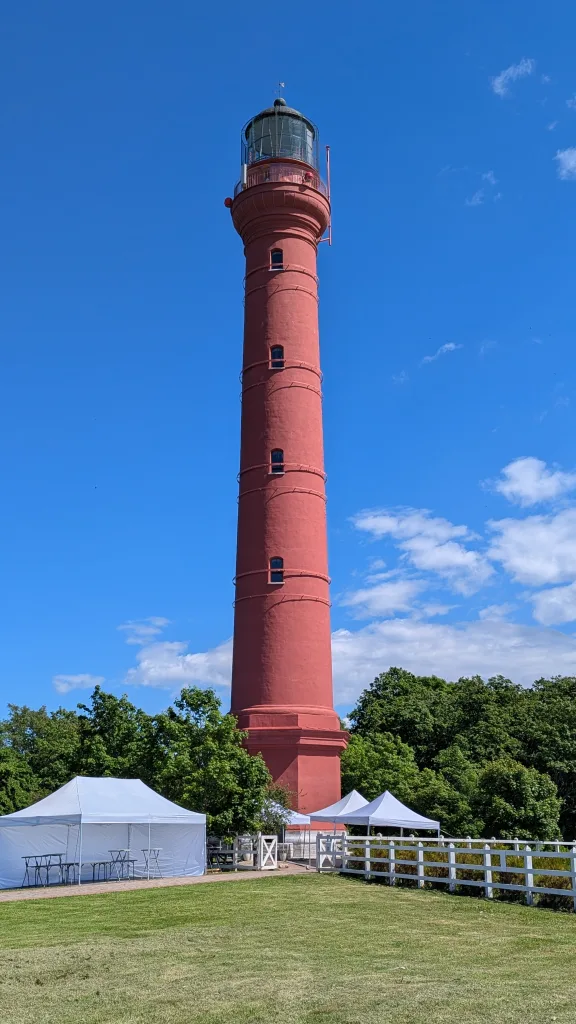
    We eventually dragged ourselves out of the sandbox and made it to the Pakri Lighthouse, parked the rigs, and cracked open some lunch.

    The lighthouse sits right on the edge of a striking 25-meter-high limestone cliff, offering a massive drop-off view of the Baltic Sea. Built back in 1889, itโ€™s the tallest lighthouse in Estonia at 52 meters.

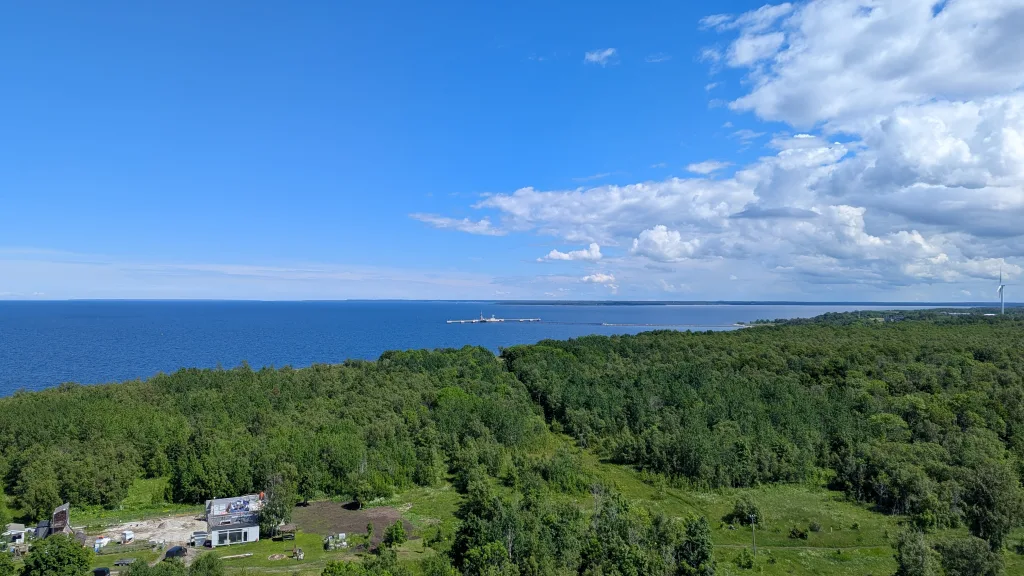
    While Rike took the opportunity to crash in the grass and soak up the sun, I tackled the 275 stairs to the top to check out the panoramic views of the coast. The view was worth the vertical steps, but the real surprise was waiting for me back at the bikes.

    When we geared up to leave, my front shifter flat-out refused to pull the chain up into the bigger ring. My little sand-riding experiment from earlier had caked the mechanics in fine grit, rendering the upper gear useless. Not wanting to do a full roadside teardown, I manually forced the chain onto the big ring, accepted my fate, and decided that was a problem for “Camp Me” to solve later.

    Further down the road, we found a traditional Estonian wooden village swing near the Harju-Madise St. Matthias Church (Harju-Madise Mattiase kirik). We decided to pull over and take a break there to spend some time on the swing before continuing our ride.

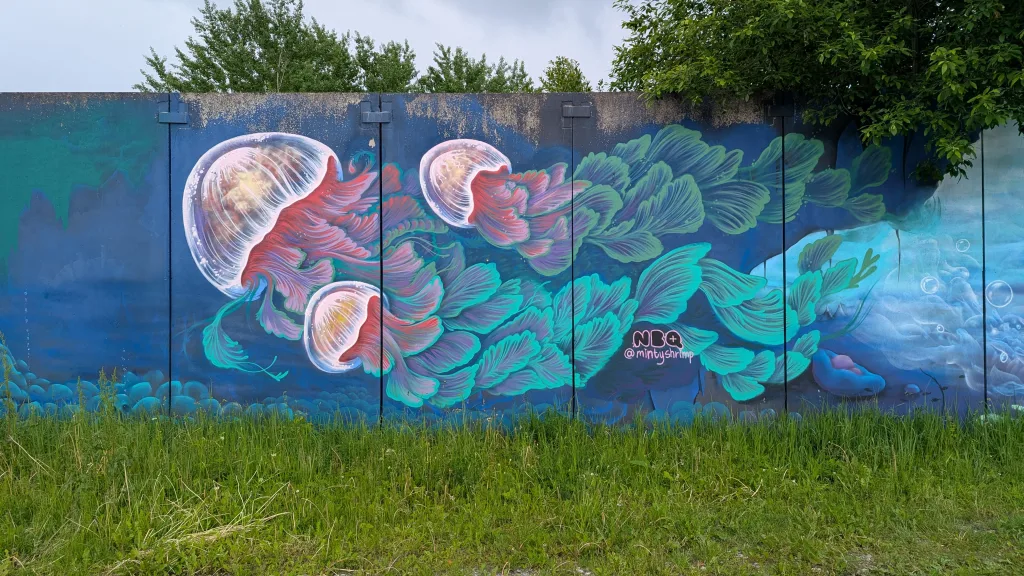
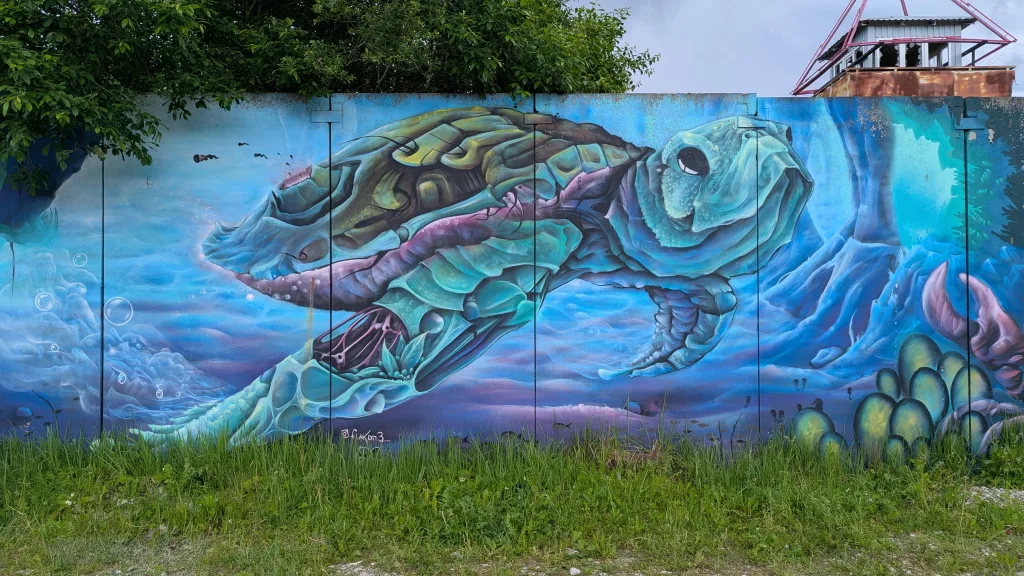
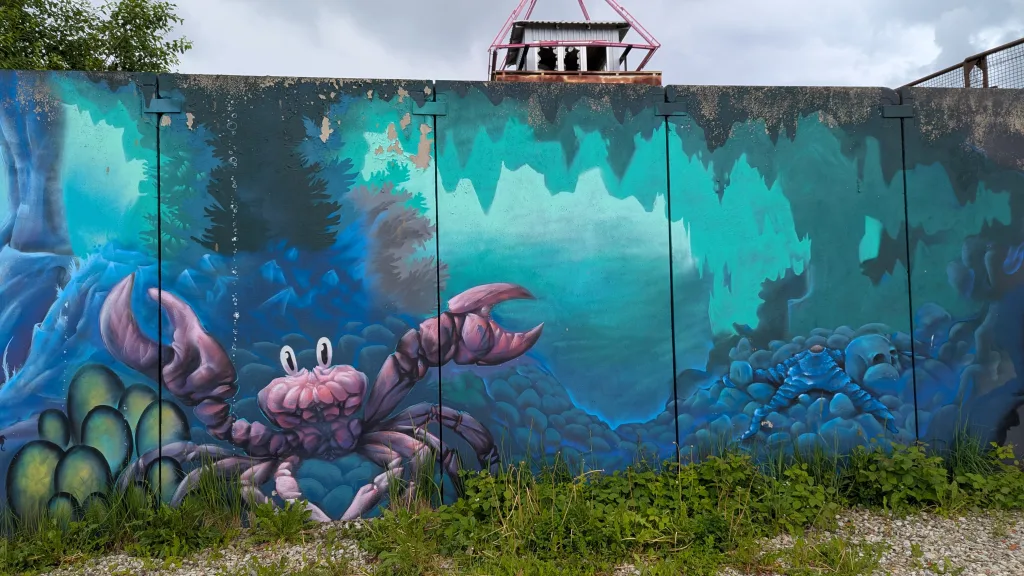
    Before tackling the last stretch to our accommodation, we made a detour toward the Rummu Quarry. I had missed the Erasmus Student Network (ESN) trip there earlier in the semester and just wanted to catch a quick glimpse of the place. However, it turned out that entering the site would cost โ‚ฌ8.50. Since I wasn’t willing to pay an entrance fee just to get a brief look at the quarry, I decided to skip it. I just took some photos of the murals at the entrance instead, and we kept moving.

    โ€‹We wrapped up the day’s ride at Kallaste Turismitalu. Before even thinking about cooking dinner, we washed off the day’s road grime and sand with a swim in the campsite pond.

    Then, it was time for bike surgery. I had to flush the whole derailleur with water, manually working the mechanism back and forth until the last of the Pakri sand finally grated its way out. Once the grit was gone, I re-tensioned the shifter cable to get everything snapping cleanly across the rings again.

    The absolute best part of the evening, though, was a massive coincidence. At the camp, we ran into the same elderly couple we had met the day before while picking up Rikeโ€™s rental bike in the city. They were on a very similar route to ours, though their itinerary was fully pre-organized by Tallinn City Bike. We ended up sitting outside with them all evening, sharing dinner and swapping stories about our first day on the road late into the night.


    Loading this activity contacts Strava, which receives your IP address and which page you are on, and sets cookies.

    Open on Strava

    Strava privacy policy

  • Peipsi Lake Daytrip

    Peipsi Lake Daytrip

    Finally having my own bike with me in Estonia, I could no longer resist the urge to head out for a full-day ride. Since my Conway is a gravel setup, I wanted a route that offered a balanced mix of off-road terrain and smooth road cycling. I settled on a loop: a gravel-heavy path suggested by Komoot to get me out to the coast of Lake Peipsi, and a pure road route to spin back home.

    I rolled out of Tartu heading east, passing the massive concrete canopy of the Estonian National Museum (Eesti Rahva Muuseum).

    Located on a former Soviet airfield, the ERM is Estonia’s largest museum. Its striking 350-meter-long building is designed to look like a runway taking off into space, housing vast exhibits on Finno-Ugric cultural history.

    Almost immediately after clearing the museum grounds and heading toward Mรถllatsi, I hit my first major roadblock. The map showed a continuous, standard gravel road cutting straight through the area. In reality, I was stopped by a solid red metal barrier. Next to it were several signs written exclusively in Estonian, clearly stating that entrance was prohibited because they were farming peat there.

    Looking down at my Garmin, the alternative route options all required a significant amount of backtracking and a massive detour. Since it was a Saturday, I gambled on the likelihood that the industrial site was quiet for the weekend. I lifted the bike over and made a quick, uninterrupted two-kilometer dash straight through the active peat harvesting fields. Everything went fine, and once I cleared the area, I continued on with normal cycling.

    Gravel and Off-Road Detour

    As the ride progressed, the standard gravel trail eventually changed its texture for the first time. Instead of smooth gravel, I hit a muddy section covered in deep, water-filled ruts that required some focused line choice to avoid slipping. After navigating through the mud, the terrain returned completely back to normal, and I enjoyed another stretch of smooth gravel riding.

    Further along, however, Komootโ€™s routing logic got increasingly adventurous. Instead of keeping me on the smooth public gravel roads, the app directed me onto tracks that were more like regular forest roads where vehicles only occasionally drive. These roads became more and more overgrown as I pushed forward.

    After a while, the track narrowed down until it looked like a simple footpath. Once I encountered a series of fallen trees completely blocking the path, I decided to call it, backtrack, and look for an alternative route on the map. The alternative I found turned out to be quite smooth compared to the overgrown forest track, making it easily rideable all the way into town.

    Arrival at Kolkja

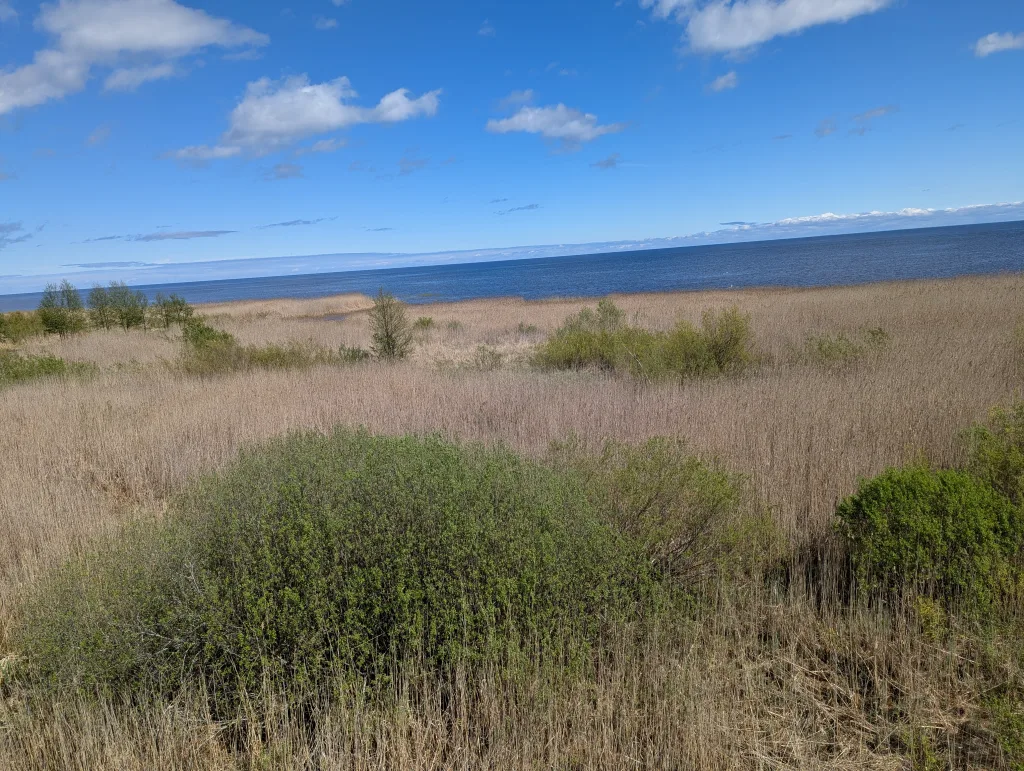
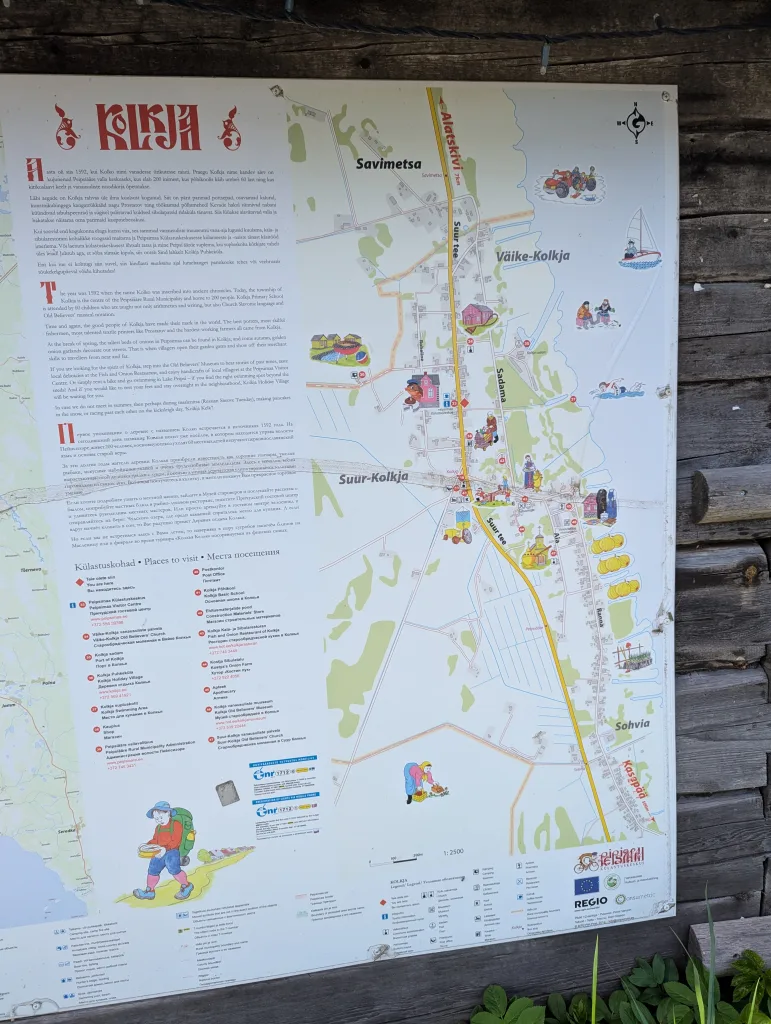
    I finally broke out of the woods and arrived in Kolkja, rolling straight down to the local beach to get my first proper look at Lake Peipsi.

    Lake Peipsi is the fifth-largest lake in Europe, acting as a massive natural border between Estonia and Russia. The western shore is famous for its unique “Onion Route” villages, home to Russian Old Believer communities who settled here in the 18th century to escape religious persecution.

    Down by the water, I ran into an elderly man and his very young granddaughter. Language barrier hit instantlyโ€”they spoke Russian, so communication was tough. I tried my best to explain in broken Estonian that I was a student living in Tartu, and the grandfather tried to tell me something too, but we couldn’t quite bridge the gap. Meanwhile, the little girl was busy throwing sticks and stones into the massive lake, gesturing firmly that she wanted me to join in and throw some with her.

    After saying goodbye, I pedaled over to a nearby wooden birdwatching tower on the edge of the wetlands, climbing up to get an elevated view across the water toward the horizon.

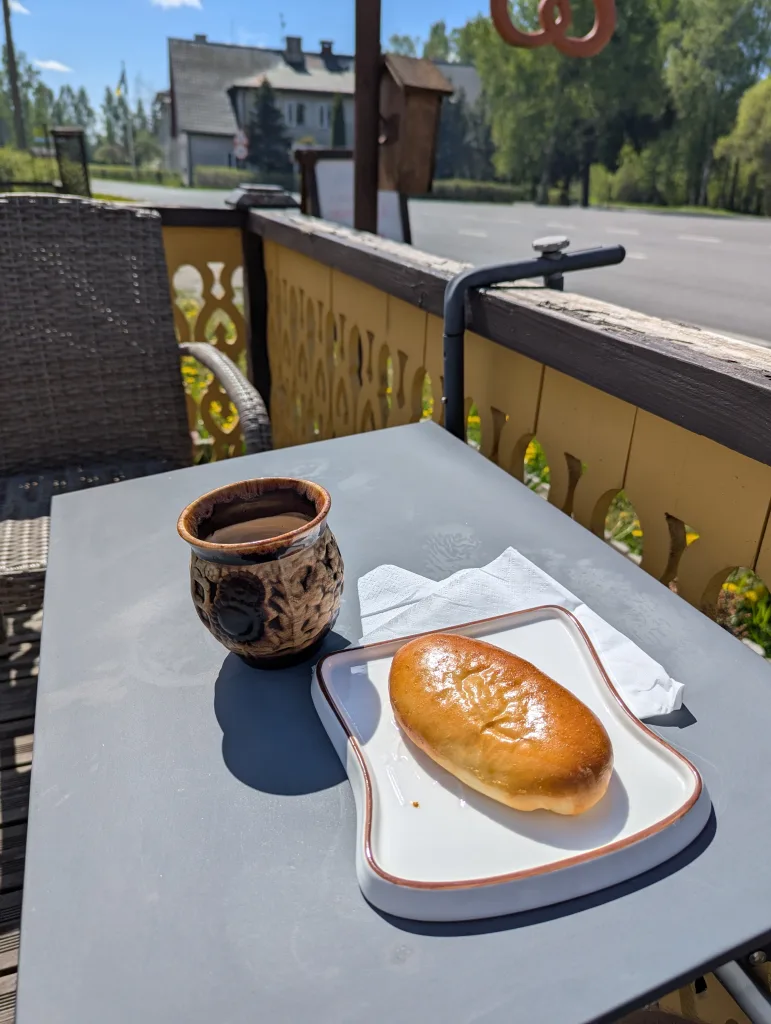
    By this point, I was ready for lunch. I tracked back to a small cafรฉ I had spotted on the way into the village called Prรครคniku Tareke. I stopped in for a coffee and some local snacks, used the break to fully refill my water bottles, and geared up for the return leg.

    The Onion Route

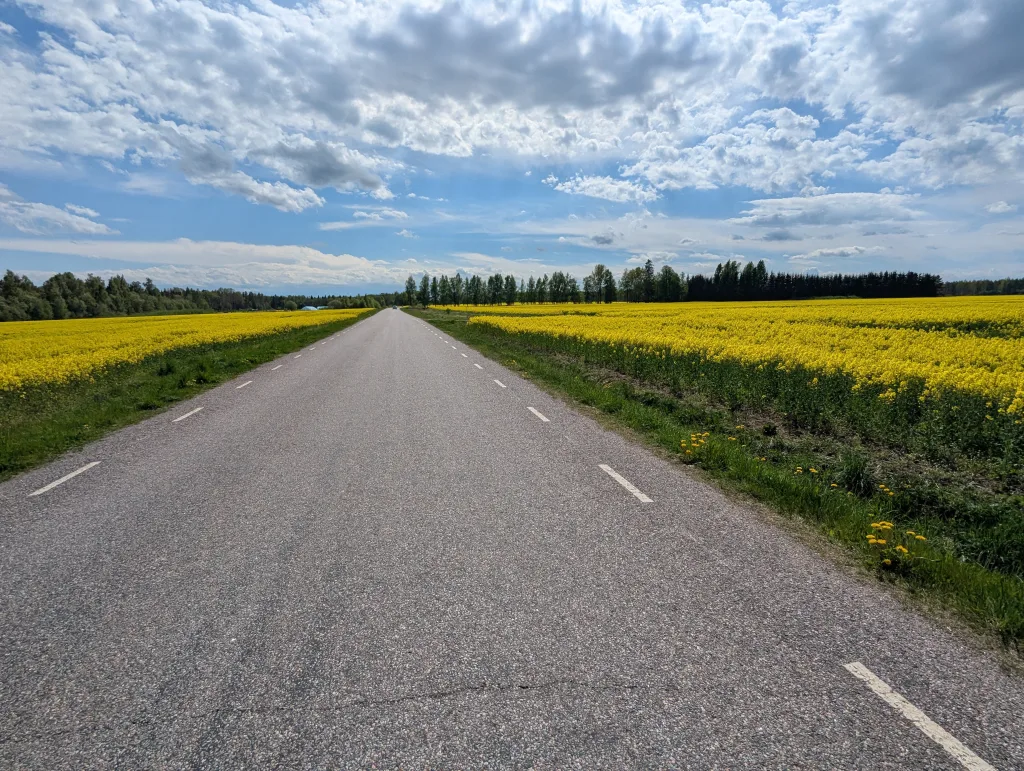
    For the ride back to Tartu, I swapped to the asphalt. I started by cycling south directly along the lakeside road before eventually cutting west inland.

    Riding through the linear villages was fascinatingโ€”the local architecture is completely distinct, with old timber houses built tight against the single main road, many featuring traditional long greenhouses for growing the region’s famous onions.

    Loading this video contacts YouTube (Google), which receives your IP address and which page you are on, and sets cookies.

    Open on YouTube

    YouTube privacy policy

    The biggest shock, though, was the sheer quality of the road infrastructure. The asphalt was pristine, smooth, and completely silent. In almost 45 kilometers of riding back to Tartu, I was overtaken by a grand total of eight cars. The return leg was entirely uneventful, but after fighting overgrown singletracks and peat bog barriers earlier in the day, spinning through the absolute peace and quiet of the Estonian countryside was a perfect end to the loop.

    Loading this activity contacts Strava, which receives your IP address and which page you are on, and sets cookies.

    Open on Strava

    Strava privacy policy